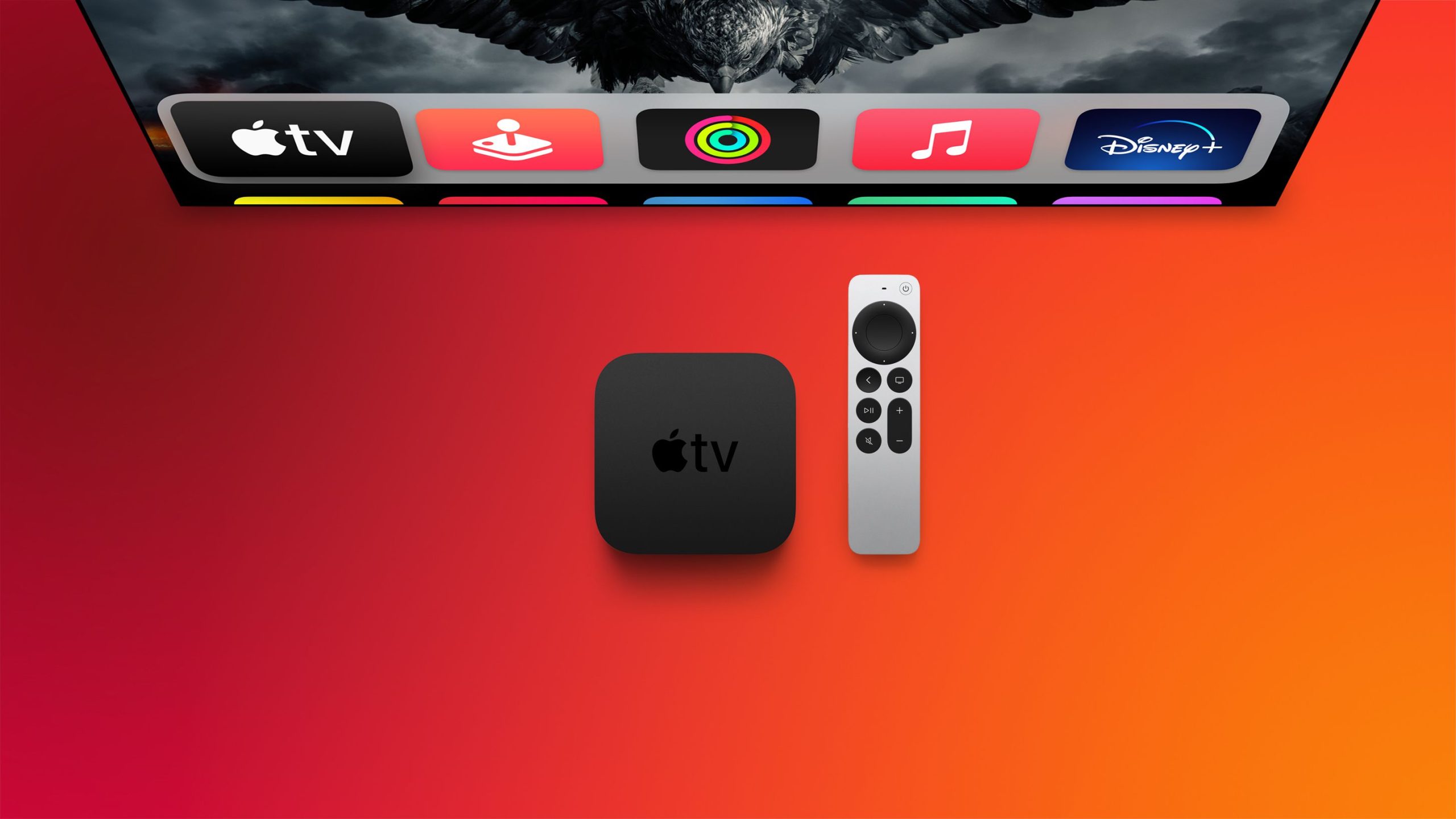
Apple’s tvOS 27 arrives with subtle but meaningful updates—including AI subtitles, text resizing, and a model purge—just as the platform’s hardware stagnation becomes a growing liability.
Apple’s tvOS 27 update, announced at WWDC 2026, is a study in quiet evolution: no flashy keynote moments, no fanfare, just incremental improvements that finally address long-standing frustrations—while also quietly dropping support for older devices. The update introduces on-device AI subtitle generation, a redesigned Podcasts app, and long-awaited text resizing options, but it arrives at a critical juncture for Apple TV. With the platform’s hardware stuck on a five-year-old chip and competitors like Amazon and Google pushing deeper TV integration, tvOS 27 feels less like a breakthrough and more like a necessary catch-up.
What’s Actually New in tvOS 27—and Why It Matters
The most noticeable changes in tvOS 27 are accessibility-focused. For the first time, users can adjust on-screen text size across supported apps—a feature already available on iPhones, iPads, and even the Vision Pro. According to MacRumors, Apple’s documentation confirms the update will include a “Larger Text” slider in Settings, though third-party apps like Netflix and Prime Video may not support it. The Verge notes this is a direct response to Amazon’s Fire TV Stick HD, which added similar text scaling earlier this year.

But the real standout is tvOS 27’s AI-powered subtitle generation. As AppleInsider reports, the feature uses on-device speech recognition to create captions for videos—no internet connection required. It’s currently limited to English in the U.S. and Canada, with plans to expand later. This isn’t just a convenience; it’s a privacy-focused alternative to cloud-based solutions, aligning with Apple’s broader push for on-device AI.
Other updates include a redesigned Podcasts app, smoother app animations, and “smart downloads” that preload content based on usage patterns. AppleCare details are now visible in Settings, and Made-for-iPhone hearing aids pair more easily. Yet for all these improvements, the update feels constrained by hardware limitations. The Apple TV 4K (2nd gen, 2021) and newer are the only devices supported, effectively dropping the 2015 Apple TV HD and the first-gen 4K (2017), which still account for a surprising number of users.
The Hardware Gap: Why tvOS 27 Feels Like a Patch, Not a Leap
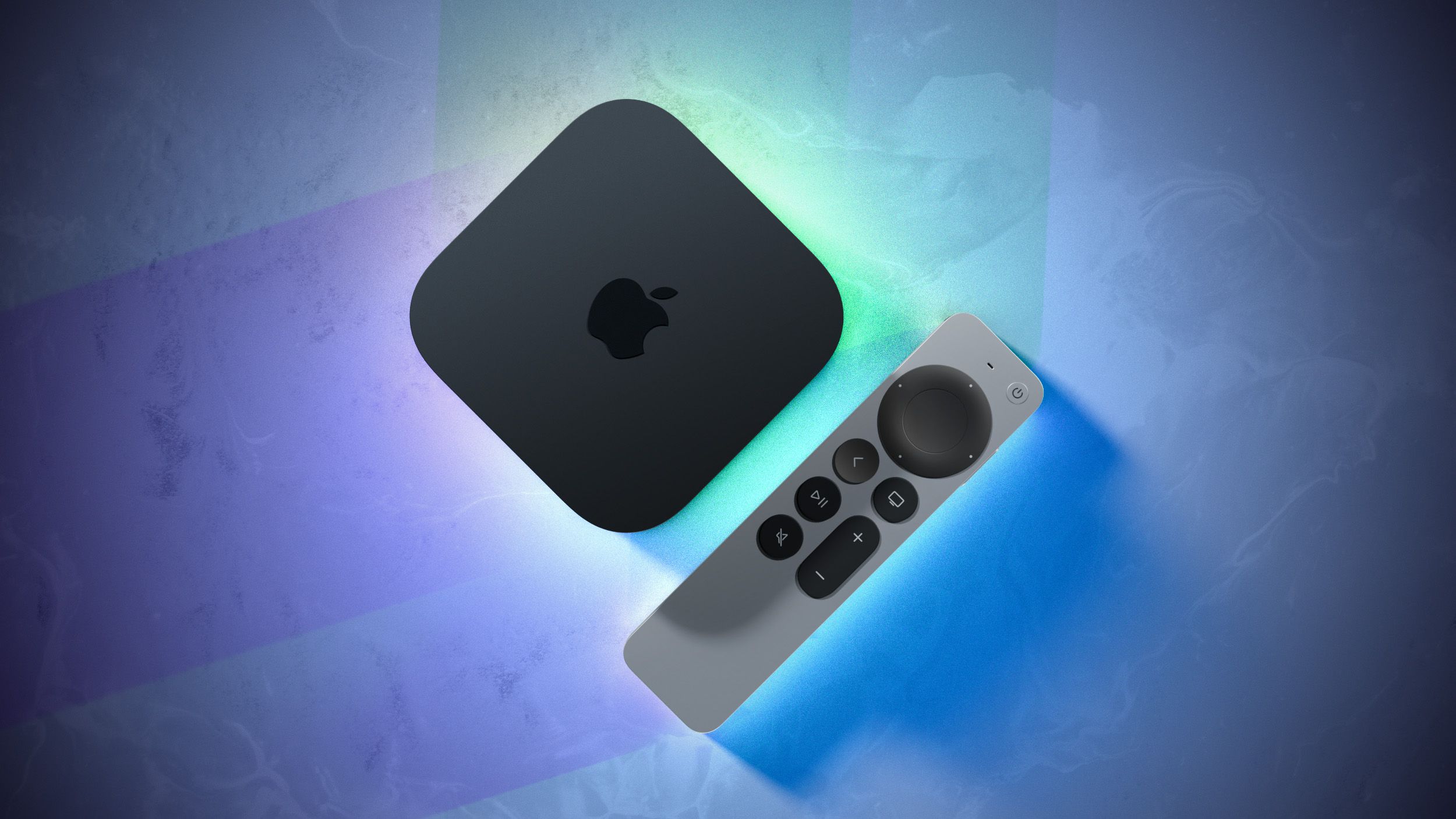
The absence of a new Apple TV at WWDC 2026 is glaring. The current Apple TV 4K (3rd gen, 2022) still runs on an A15 Bionic chip—a processor that’s nearly five years old. As The Verge points out, this is the same chip powering the original iPhone 13 from 2021. Meanwhile, competitors like Amazon and Google have been updating their TV platforms with more powerful hardware and deeper smart-home integration. Apple’s TV ecosystem risks becoming a second-class citizen in its own living room.
The hardware stagnation isn’t just about performance. It’s about missed opportunities. The Apple TV could be the central hub for Apple’s smart-home ecosystem—controlling HomeKit devices, displaying camera feeds, and even running Siri AI locally. But without a hardware upgrade, features like on-device subtitle generation strain the existing chip. Rumors of a new Apple TV 4K (4th gen) have circulated for years, and MacRumors confirms one is expected later this year. The question is whether it will arrive in time to matter—or if Apple will finally admit the Apple TV needs a reboot.
What’s Missing: The AI and HomeKit Integration That Could Have Changed Everything
tvOS 27’s AI features are a start, but they’re held back by the lack of a hardware refresh. On-device subtitle generation is impressive, but it’s a band-aid for a deeper problem: Apple’s TV platform isn’t future-proofed. The Verge highlights how Amazon and Google have integrated their TVs more tightly with their smart-home ecosystems, offering voice control and deeper app customization. Apple’s HomeKit integration on tvOS is functional but clunky—far behind what you can do on an iPad or even a smart speaker.
Then there’s the elephant in the room: Siri AI. While iOS 27 and macOS 27 are packed with AI-driven features, tvOS 27 gets none. AppleInsider notes that HomeKit Secure Video recordings can now be described on-device or via Private Cloud Compute, but this is a niche use case. A true Siri AI integration—where the Apple TV could answer questions, control smart devices, or even summarize shows—would require a hardware upgrade. Without it, tvOS remains a stepchild in Apple’s AI ambitions.
The Timeline: Betas, Public Release, and What’s Next
tvOS 27’s rollout follows Apple’s usual beta schedule. The developer beta is already available, with a public beta expected in July and a full release likely in September. But the real story isn’t the software—it’s what comes after. If Apple doesn’t announce a new Apple TV by the end of 2026, the platform’s relevance will continue to fade. Competitors are already pulling ahead in smart-TV integration, and Apple’s focus on AI risks leaving the Apple TV behind.
- June 8, 2026: tvOS 27 developer beta released.
- July 2026: Public beta arrives (likely early July).
- September 2026: Full release expected.
- Later 2026: Rumored Apple TV 4K (4th gen) launch—if it happens.
For now, tvOS 27 is a necessary update—one that finally addresses accessibility and performance lag. But it’s also a reminder of how far behind Apple’s TV platform has fallen. The company’s next move—whether it’s a hardware refresh or a strategic pivot—will determine whether the Apple TV survives as more than a streaming box.
Why This Matters: The Apple TV’s Identity Crisis
Apple’s TV strategy has always been ambiguous. The Apple TV started as a simple media player, evolved into a smart-home controller, and now sits at a crossroads. tvOS 27’s updates—AI subtitles, text resizing, smoother animations—are steps in the right direction, but they don’t solve the core issue: the Apple TV isn’t a priority for Apple. The company’s resources are focused on iOS, macOS, and visionOS, leaving the TV platform to stagnate.
This isn’t just about hardware. It’s about vision. Amazon and Google treat their TV platforms as central to their ecosystems. Apple, meanwhile, treats the Apple TV as an afterthought. If tvOS 27 doesn’t spark a hardware refresh—and soon—the Apple TV risks becoming obsolete, not because of its software, but because of its irrelevance in a world where smart TVs are the default.
The update is here. The question is whether it’s enough.
