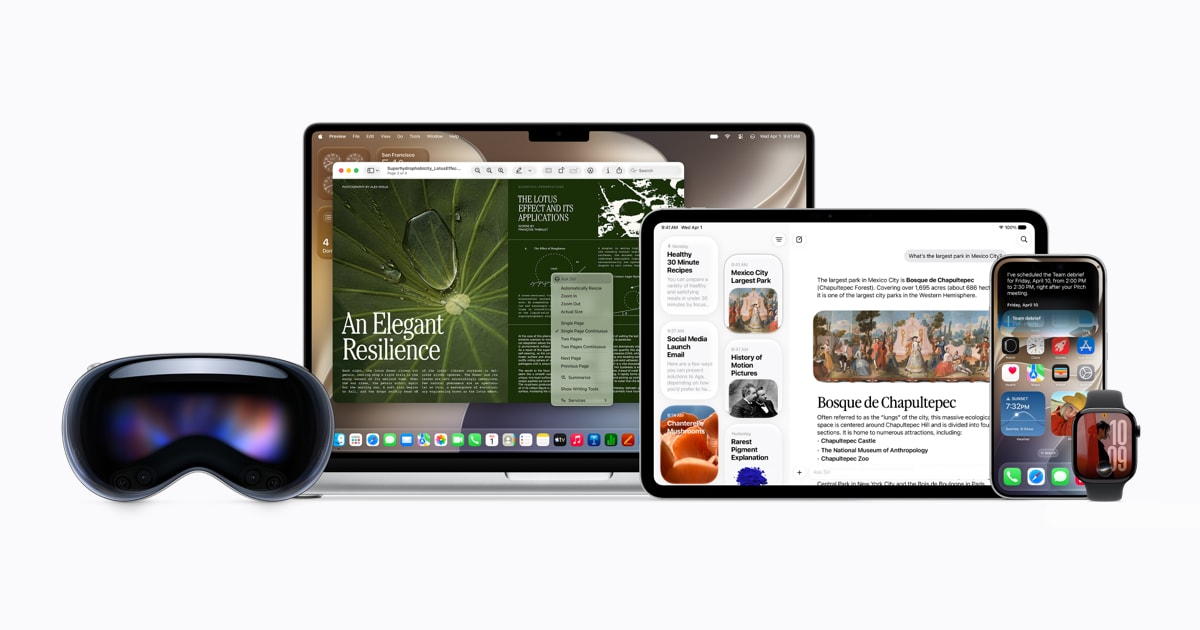
Apple introduced Siri AI on June 8, 2026, unveiling a reimagined version of its virtual assistant powered by Apple Intelligence. The update includes advanced conversational capabilities, onscreen awareness, and integration with Apple’s third-generation foundation models, according to a press release from Apple. The company emphasized privacy, with features like a dedicated Siri chatbot app and expanded Visual Intelligence. However, investor reaction was mixed, with Apple’s stock falling 1% after the announcement, as some analysts noted a “buy the rumor, sell the news” sentiment.
A New Era for Siri: Features and Integration
Siri AI represents a significant overhaul, with capabilities extending beyond traditional voice commands. Users can now engage in natural, multi-turn conversations, ask follow-up questions, and receive context-aware responses. For instance, Siri can surface relevant information from messages, emails, or photos, such as a restaurant recommendation or a hotel confirmation number. The assistant also supports visual interactions, allowing users to ask questions about content on their screen, like identifying a photo of a shed or suggesting how to organize it.

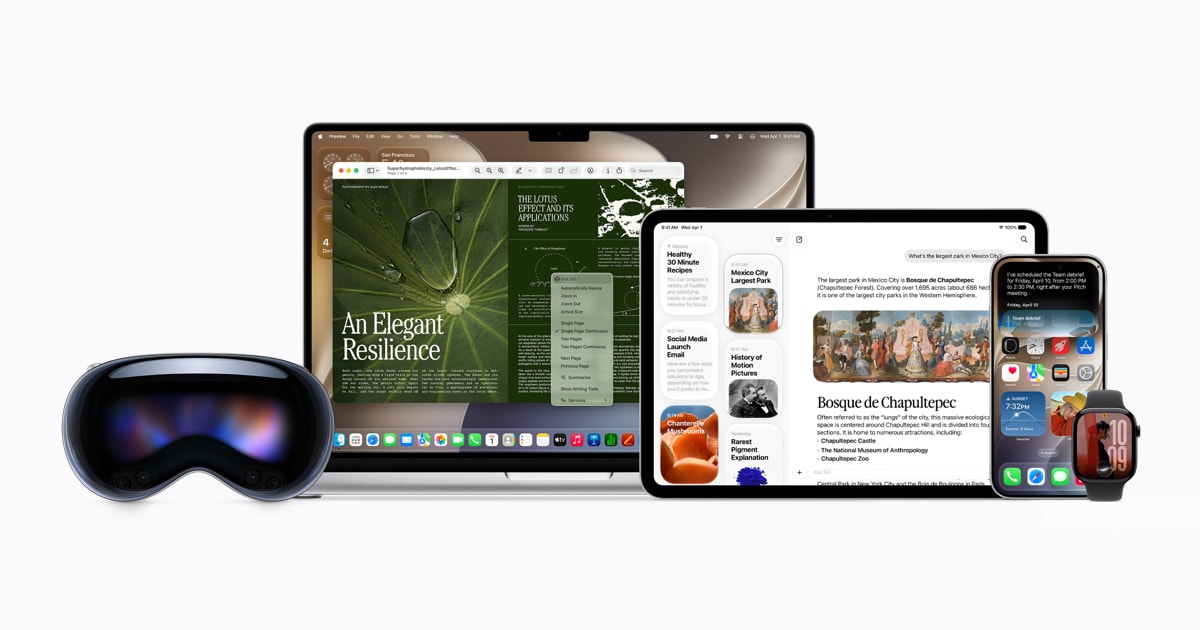
Engadget reported that Siri AI will be integrated into Spotlight search on macOS and support visual search features akin to Google’s offerings. The assistant will also be available across Apple’s ecosystem, including watchOS, visionOS, CarPlay, and AirPods. However, the EU will initially exclude Siri AI from iOS 27 and iPadOS 27, citing regulatory concerns, as noted by the publisher.
Technical Foundations: Apple’s Third-Generation Foundation Models
The new Siri AI is built on Apple’s third-generation Foundation Models (AFM), developed in collaboration with Google. These models include on-device and server-based variants, with the AFM 3 Core Advanced being a 20-billion-parameter model optimized for Apple silicon. According to Apple Machine Learning Research, the AFM 3 Core Advanced uses a sparsely activated architecture called Instruction-Following Pruning, which reduces memory usage by storing the full model in flash memory rather than DRAM. This innovation allows for more complex tasks, such as generating text, analyzing files, and editing images, while maintaining user privacy through Private Cloud Compute.
The server-based AFM 3 Cloud Pro model, developed with Google and NVIDIA, powers advanced use cases like agentic tool use and complex reasoning. Apple emphasized that user data remains protected, with no storage or sharing of personal information, even on server-based models.
Market Reactions and Investor Sentiment
Despite the technological advancements, Apple’s stock fell 1% on June 8, 2026, as investors appeared unimpressed. Yahoo Finance attributed this to a “buy the rumor, sell the news” reaction, as expectations for Apple’s AI strategy had been high. The broader tech sector saw a rebound, with chip stocks recovering from a $1 trillion loss the previous week. However, Apple’s performance contrasted with other “Magnificent Seven” stocks, which saw mixed results.
Analysts highlighted the challenge of balancing innovation with market expectations. While Apple’s CEO Tim Cook received a standing ovation at the WWDC keynote, the stock’s decline suggested that investors were skeptical about the immediate impact of Siri AI. The company’s focus on privacy and integration may appeal to long-term users, but the market’s response underscores the difficulty of translating technical advancements into short-term financial gains.
What Comes Next for Apple’s AI Strategy
The rollout of Siri AI will begin with developer betas, with a public beta expected later in 2026. Apple’s emphasis on privacy and on-device processing sets it apart from competitors, but the EU’s exclusion of the feature raises questions about regulatory hurdles. Meanwhile, the company’s collaboration with Google and NVIDIA highlights the growing importance of external partnerships in AI development.
Looking ahead, the success of Siri AI will depend on its ability to deliver tangible value to users. While the initial reaction has been cautious, the integration of advanced AI features into Apple’s ecosystem could position the company as a leader in the next wave of digital assistants. However, as the market continues to evolve, Apple will need to navigate both technical challenges and investor expectations to maintain its momentum.
