
Oil prices surged past $94 a barrel Monday as Israel and Iran resumed strikes despite a fragile ceasefire, while Wall Street tech stocks rebounded from their worst rout in over a year. The escalation sent crude to its highest levels in weeks, while the Nasdaq’s 4.2% Friday plunge triggered a regional market sell-off that hit South Korea’s Kospi index hardest—down 8%—amid fears of a Federal Reserve rate hike and a $75 billion SpaceX IPO that could test investor sentiment.
The Oil Spike: How Iran and Israel’s Strikes Triggered a $4.60 Jump in Crude
Brent crude, the global benchmark, jumped $1.12 to $94.21 a barrel by Monday morning, following a $4.60 overnight surge after Iran fired missiles at Israel for the first time since a U.S.-brokered ceasefire took effect in April. The IDF confirmed Israel retaliated with a “large-scale strike on strategic defense systems,” according to its X account, while Iranian officials told CNBC that military operations had ended—but warned hostilities would resume if Israel continued targeting Lebanon.
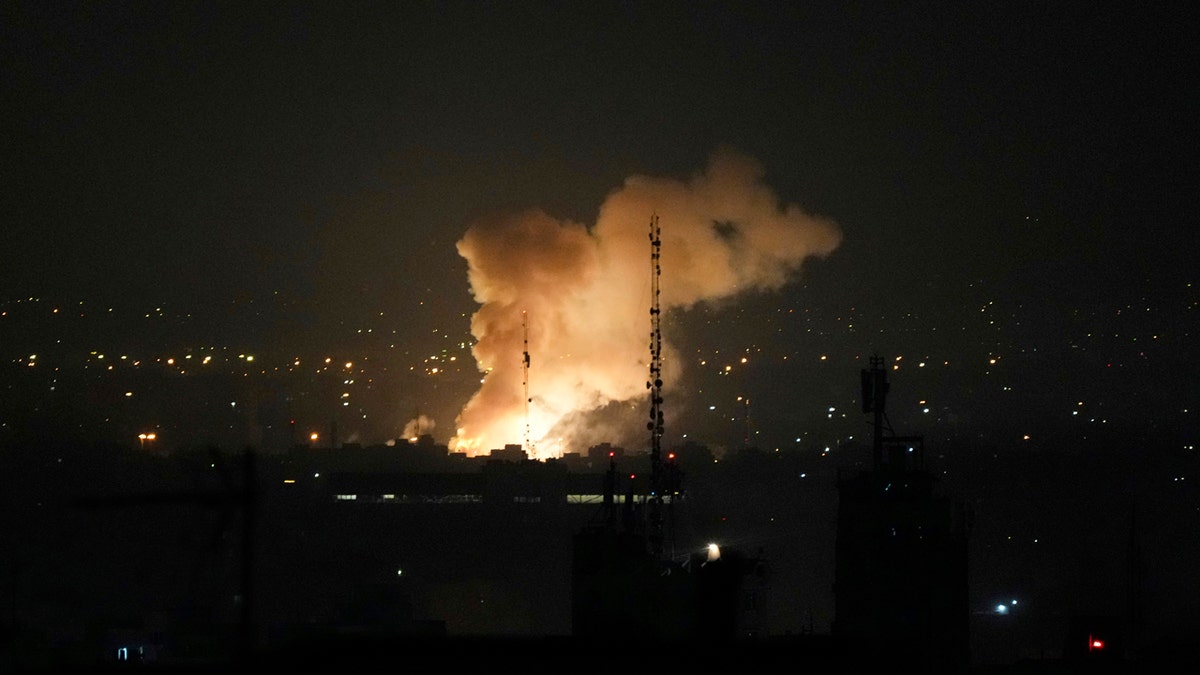
The Strait of Hormuz, through which 20% of the world’s oil flows, remains a flashpoint. Iran had previously threatened to close it in February after U.S.-Israeli strikes on Iranian territory, sending energy prices soaring. This time, the market reacted more cautiously: West Texas Intermediate rose just 1% to $91.54, while benchmark U.S. crude climbed $1 to $91.54 after earlier trading near session highs. The price action reflects a market still on edge, but not yet in full panic mode—yet.
“The stock market may be becoming a victim of its own success,” said Callie Cox, chief market strategist at Ritholtz Wealth Management. “Growth and momentum have outpaced almost everything since the March lows. That’s not what you’d expect in a high-rate, high-inflation environment, and these strategies may be vulnerable to disappointment if cost pressures stay elevated.”
“The job market has turned around, yet the threat of persistently high inflation seems to be the risk looming on everyone’s minds.”
Tech Stocks’ Bloodbath: Why the Nasdaq’s 4.2% Plunge Signals More Pain Ahead
The Nasdaq’s 4.2% Friday drop—its worst since April 2025—wasn’t just about oil. It was a reckoning for the tech sector, which had rallied on hopes of a Fed rate-cutting pivot. But strong jobs data and fears of sticky inflation sent investors fleeing. The iShares Semiconductor ETF, up 5% Monday after a 10% Friday plunge, illustrates the volatility: chip stocks like Micron (up 9% after a 13% Friday drop) and Nvidia are now caught between geopolitical risks and domestic economic uncertainty.
For more on this story, see Crude Oil Prices Drop 5% as US and Iran Near Strait of Hormuz Peace Deal.
Asia’s markets bore the brunt. South Korea’s Kospi index fell 8%—its worst day since the 2024 election of Donald Trump, which had sent cryptocurrencies soaring. Samsung dropped 10%, SK Hynix shed 7.7%, and Tokyo’s Nikkei lost nearly 4%. The rout wasn’t just about Iran-Israel; it was about the Fed. “Rising borrowing costs reduce the present value of future earnings and can also weigh on investment spending,” noted Ipek Ozkardeskaya, senior analyst at Swissquote. “Both tend to hurt technology stocks more than other sectors because a larger share of their valuation depends on future growth.”
“Blockbuster offerings have marked the peak of excess in past market cycles, so there seems to be an awkward silence around what this could signal for sentiment.”
The SpaceX IPO: Why Elon Musk’s $75 Billion Debut Could Be the Market’s Biggest Test Yet
Amid the chaos, one event looms: SpaceX’s IPO, set for Friday. The rockets-to-AI behemoth, led by Elon Musk, aims to raise $75 billion—the largest IPO in history. The timing couldn’t be worse. Investors are already skittish after the Nasdaq’s rout, and the tech sector’s overvaluation is a ticking time bomb. “Many investors seem restrained and skeptical,” Cox said. “But can that temperament exist when the biggest IPO of all time is on deck?”
The SpaceX offering isn’t just about rockets—it’s about AI infrastructure in space and Musk’s long-term bets on Mars. But with oil prices spiking and tech stocks bleeding, the IPO could expose just how stretched valuations have become. “That’s not what you’d expect in a high-rate, high-inflation environment,” Cox warned. “These strategies may be vulnerable to disappointment if cost pressures stay elevated.”
This follows our earlier report, Oil Heads for Biggest Monthly Drop Since 2020.
What Happens Next: Three Scenarios for Oil, Markets, and the Ceasefire
The next 72 hours will determine whether this is a temporary spike or the start of a new crisis.

- Ceasefire Holds: If Iran and Israel de-escalate, oil could retreat from its peaks, but the damage to tech stocks may persist as investors digest the Fed’s hawkish stance.
- Escalation Continues: A full-blown conflict could send crude above $100, triggering a global energy shock and a sell-off in risk assets like bitcoin (now hovering near $63,000 after Friday’s plunge below $60,000).
- SpaceX IPO Tests Sentiment: If the IPO proceeds smoothly, it could signal confidence in Musk’s vision. If it stumbles, it may accelerate the unwinding of tech’s bull market.
The bigger question is whether this is a one-off shock or the beginning of a broader market reckoning. The Fed’s next move, Iran’s long-term strategy, and SpaceX’s ability to justify its valuation will all play a role. One thing is clear: the market’s complacency is over.
The Bottom Line: Why This Week Could Redefine 2026’s Market Narrative
Monday’s moves weren’t just about oil or tech—they were about the fragility of the market’s post-March rally. The ceasefire’s collapse, the Nasdaq’s plunge, and the SpaceX IPO’s looming debut all point to a single truth: investors are no longer betting on endless growth. The question now is whether this is a correction or the start of something worse.
For now, the market is holding—but the cracks are showing.
