
Following intense pressure from Utah lawmakers, the Pentagon revised its religious classification list in May 2026, removing 180 faiths and reorganizing the remaining 31 to streamline data collection for military chaplains. The change sparked immediate backlash, particularly from Mormon leaders and Republican officials who argued the reclassification improperly excluded The Church of Jesus Christ of Latter-day Saints (LDS) from the “Christian” category.
The Pentagon’s Streamlining Effort
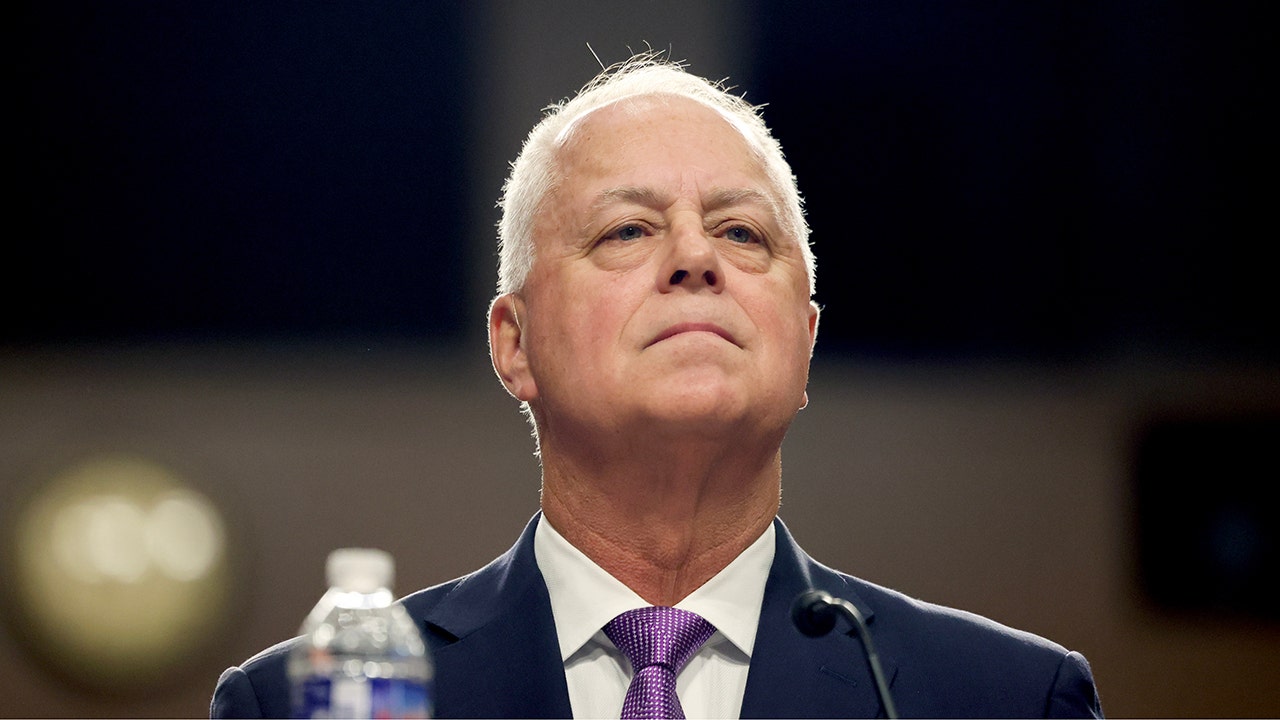
The Department of Defense (DOD) reduced its list of recognized religious faiths from over 200 to 31, consolidating categories such as “Christian” and “Muslim” while eliminating numerous minority faiths like Wiccans, Unitarian Universalists, and Druids. Defense Secretary Pete Hegseth, who directed the overhaul, stated the goal was to “enhance the delivery of targeted religious support from the Chaplaincy” by simplifying data gathering for service members. The revised list, published in a May 20, 2026, memo, explicitly included denominations like Baptists, Catholics, and Lutherans but omitted the LDS Church under the broader “Christian” category. “The new list will provide chaplains with clear, readily available information,” wrote Under Secretary of War Anthony Tata, though he emphasized the policy was not intended to “make any claims on the legitimacy of any faith.”
According to Military.com, the changes marked the first major revision since 2017, when the list was trimmed from 211 to 120 entries. The 2026 update, however, drew sharper criticism for excluding groups like the LDS Church, which officials argued is “unequivocally Christian” based on its name and teachings.
Utah Lawmakers’ Outcry
Utah senators John Curtis and Mike Lee led the charge against the Pentagon’s revisions, calling the exclusion of the LDS Church “unacceptable.” Curtis, a Republican, stated, “It is unacceptable for a government entity to characterize a faith in a manner that contradicts the religion’s own foundational tenets.” He criticized the Pentagon for “redundant and unnecessary labeling” and praised officials for “making a correction” after public pressure. Lee, who claimed to have spoken with former President Donald Trump, expressed optimism that the issue would be resolved, saying, “We’re most fortunate that President Trump (1) loves Latter-day Saints, and (2) is our commander in chief. Stay tuned.”
Rep. Mike Kennedy, a Utah Republican with a large Mormon constituency, condemned the policy as “wrong and needs to be corrected,” arguing that LDS members “stand with Christ” and deserve accurate representation. The LDS Church itself remained silent, but former Utah Congressman Jason Chaffetz urged the Pentagon to “correct the record,” noting, “Members of The Church of Jesus Christ of Latter-day Saints truly are Christians.”
The backlash extended beyond Utah. KUTV reported that the LDS Dems Caucus chair, Eric Biggart, called the decision “a perfect summation of what the whole era of Trump has been for this last decade,” implying the reclassification reflected broader ideological tensions.
LDS Leaders and Public Reaction
The controversy ignited debate within Mormon communities and beyond. Jenna Carson, a former Air Force chaplain and LDS member, expressed confusion, stating, “We’re all confused about it.” Meanwhile, the Military Religious Freedom Foundation criticized the policy for “undermining the diversity of religious expression” in the military. The Pentagon’s defense of the changes, which emphasized practicality over theological debate, did little to quell concerns. “The Pentagon’s job is not to adjudicate theological debates,” a department statement read, “but instead to ensure sincerely held faith is respected and encouraged in our ranks.”
Despite the backlash, the revised list was finalized by May 27, 2026, with the LDS Church now categorized separately from other Christians. The change has raised questions about the military’s role in defining religious identity, particularly as it aligns with political priorities. “This isn’t just about faith codes—it’s about who gets to shape the narrative of what Christianity looks like in America,” said Yahoo News.
What Comes Next?
The Pentagon has not indicated plans to further revise the list, but the controversy highlights the intersection of religion, politics, and military policy. Utah lawmakers have vowed to continue pushing for the LDS Church’s inclusion under the “Christian” category, with Curtis promising to “ensure a correction is made.” Meanwhile, advocacy groups warn that the reclassification could set a precedent for other faiths facing similar scrutiny.
As the military moves forward, the debate over religious recognition will likely remain a flashpoint in the broader conversation about faith in public institutions. For now, the revised list stands—but the push for inclusion continues.
