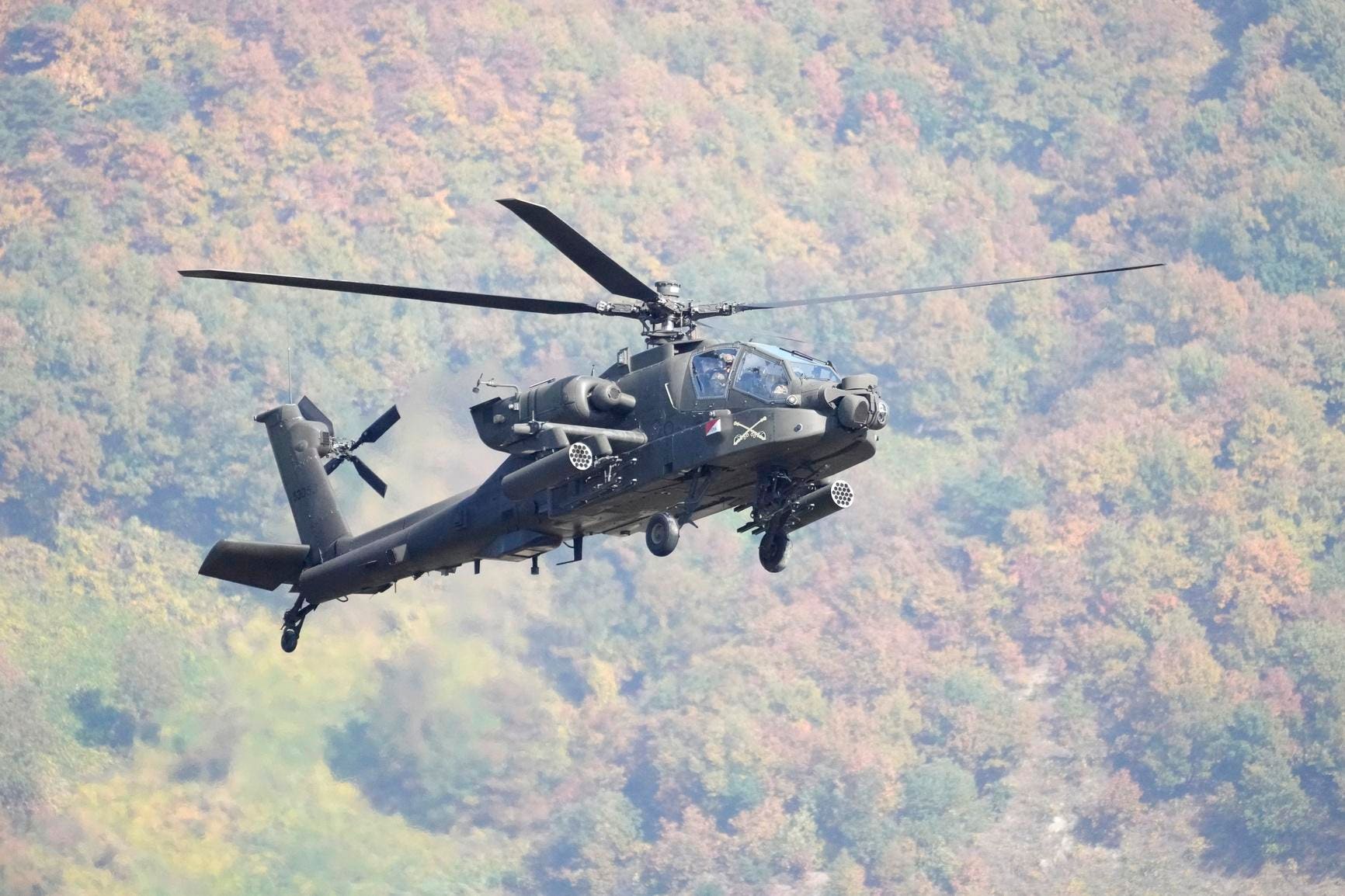
President Donald Trump confirmed on Tuesday that two U.S. Army helicopter pilots were rescued after an Apache attack helicopter crashed near the Strait of Hormuz on Monday, but the incident has raised questions about the cause of the crash and its implications for U.S.-Iran tensions. The pilots, who were aboard an AH-64 Apache, were “fine,” Trump told reporters, though the military has yet to issue an official statement on the incident. The crash occurred amid heightened regional tensions, with Iran and Israel exchanging attacks just hours earlier, and comes as Trump pushes for a deal to reopen the strategic waterway.
Pilots Rescued, but Questions Remain
The U.S. Army’s AH-64 Apache crashed near the Strait of Hormuz on Monday, but both pilots were rescued and reported to be in good condition, according to President Donald Trump. “The pilots are fine,” Trump said during a press briefing in New York, adding that no injuries were reported. The president also indicated that a formal report on the incident would be released the following day. However, the U.S. Central Command and the Pentagon have not yet commented on the crash, leaving key details—such as whether the helicopter was shot down by Iranian forces or suffered a technical failure—unconfirmed.
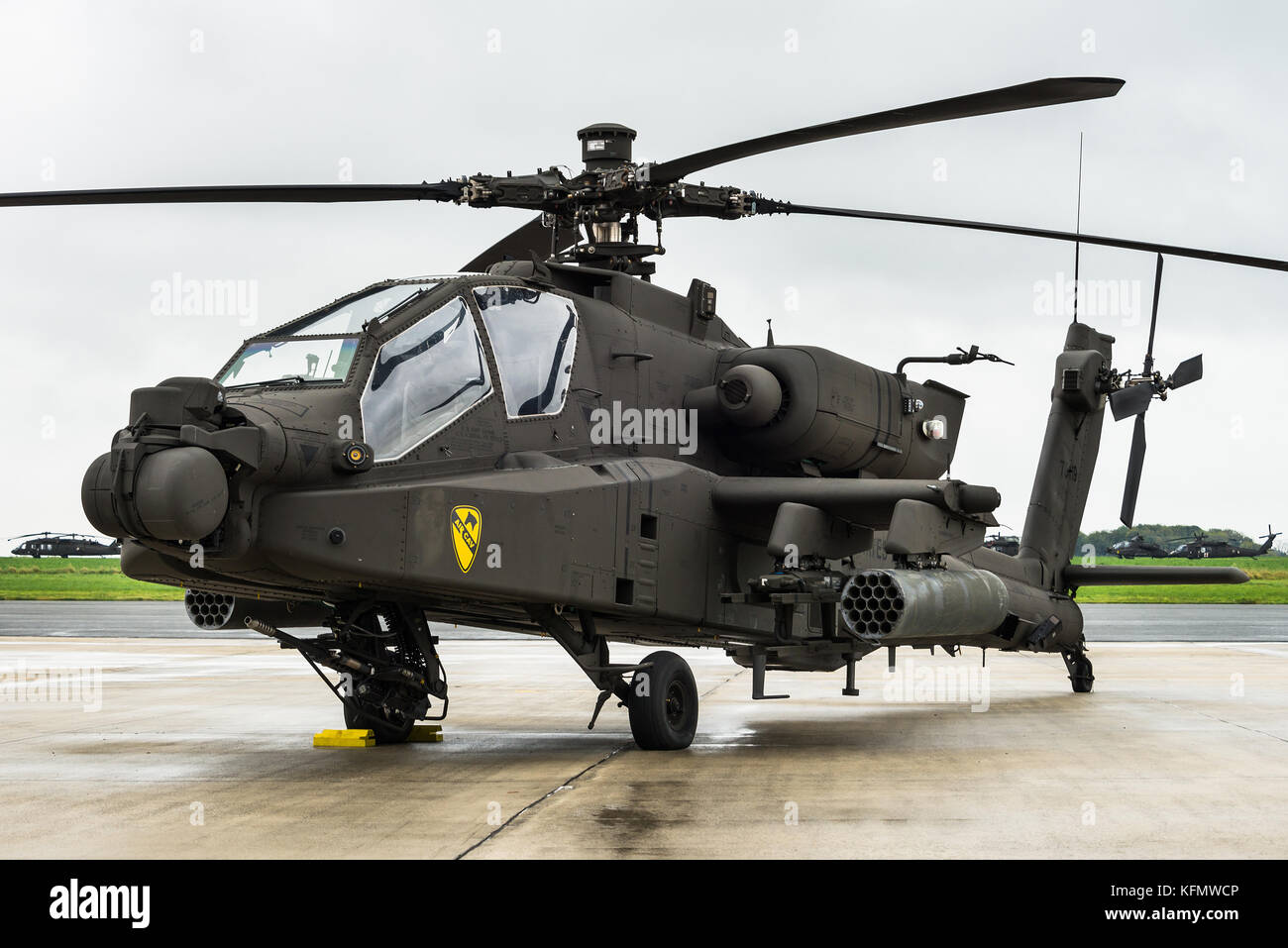
Forbes reported that the crash was first disclosed by the New York Times, citing unnamed officials. The Forbes article also noted that the Apache is part of the U.S. military’s ongoing operations to enforce a blockade of Iranian ports in the Persian Gulf, a move that has escalated tensions with Tehran.
“We are going to issue a report tomorrow,” Trump said, repeating the phrase “but the pilots are fine, yeah.” The president’s remarks underscored the administration’s focus on downplaying the incident, even as it occurs amid a broader pattern of U.S. military losses in the region. Since the start of the Iran war earlier this year, Iran has shot down nearly 30 MQ-9 Reaper drones and one A-10 ground attack aircraft, while also damaging U.S. planes on the ground in airbases across the Gulf.
Geopolitical Tensions and the Road to a Deal
The helicopter crash occurred just hours after Iran and Israel exchanged their first direct attacks since the April truce, raising fears of a return to open conflict. The incident also coincided with Trump’s assertions that a deal to end the war is “in the final throes.” “We’re in the final throes of what will be a very, very good deal that will not allow in any way, shape or form nuclear weapons,” Trump said, vowing that the Strait of Hormuz would “open up immediately upon signing, which could be in two or three days.”
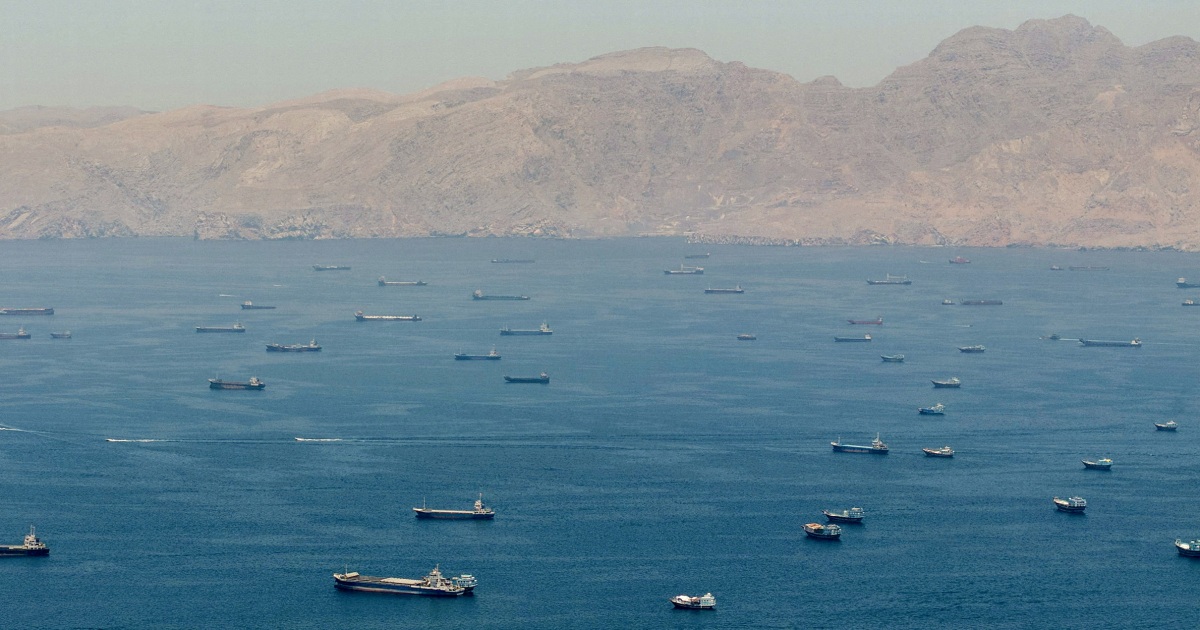
Trump’s comments highlight the administration’s push to normalize shipping through the Strait, which has been a flashpoint since the U.S. and Israel launched the war. The waterway, through which about one-fifth of the world’s oil supply passes, has been under Iranian control since the conflict began. The president’s statements suggest a strategic pivot toward diplomatic resolution, though no agreement has yet been finalized.
The NBC News article noted that the crash occurred amid a fragile ceasefire, with both sides reportedly stepping back from further escalation. However, the incident has added another layer of complexity to the already volatile situation, with the cause of the helicopter’s crash remaining unclear.
Historical Context and Regional Implications
The AH-64 Apache crash is the latest in a series of U.S. military aircraft losses in the Middle East, reflecting the growing risks faced by American forces in the region. Earlier this month, Iran shot down a U.S. MQ-1 Predator drone over the Persian Gulf, prompting a retaliatory strike by U.S. Central Command on Iranian drone control and missile sites. The conflict has also seen the downing of multiple F-15E Strike Eagles, including a high-profile incident in April that led to a major rescue operation.

“The strait will open up right away. It’ll open up immediately upon signing, which could be in two or three days,” Trump reiterated, signaling his administration’s urgency in securing a deal. However, the lack of transparency surrounding the helicopter crash has fueled speculation about the military’s capabilities and the potential for further incidents. Analysts have pointed to the increasing sophistication of Iran’s air defenses, which have proven effective in countering U.S. drones and other aircraft.
The Forbes article also highlighted the broader strategic implications of the crash, noting that the Apache’s role in enforcing the U.S. blockade of Iranian ports has made it a target for Iranian forces. The incident underscores the delicate balance of power in the region and the risks of continued military engagement.
What Comes Next?
The coming days will be critical in determining the trajectory of the conflict. The Pentagon’s delayed response to the crash has raised questions about its ability to investigate and address the incident effectively. Meanwhile, Trump’s insistence on a swift deal to open the Strait of Hormuz suggests that the administration is prioritizing diplomacy over further military escalation.
However, the lack of clarity surrounding the crash’s cause could complicate efforts to de-escalate tensions. If the incident is determined to be the result of Iranian action, it could reignite hostilities. Conversely, a technical failure might be framed as an isolated event, allowing the administration to maintain its focus on the broader peace initiative.
As the U.S. and Iran continue to maneuver, the fate of the Strait of Hormuz—and the global oil supply it supports—remains a central concern.
