The science of protein and aging is clearer than ever—but a persistent myth about whey protein is still misleading millions. New research shows that while protein is critical after 40, supplements like whey don’t build muscle in older adults the way they do in younger people. The real solution? Whole foods, strategic timing, and strength training. Here’s what the latest studies say—and why your parents’ diet matters more than you think.
New research confirms that protein intake becomes a critical lever for healthy aging after 40—but not in the way most people assume. A landmark study published in Nutrients found that older adults with consistently low protein intake struggle with basic mobility, from climbing stairs to carrying groceries, while those who eat enough protein maintain strength and independence longer. Yet despite this evidence, many still turn to whey protein supplements as a quick fix, unaware that the body processes protein differently after middle age. The truth? Whole foods like eggs, dal, and Greek yogurt deliver protein more effectively for muscle preservation, and supplements alone won’t reverse age-related muscle loss without strength training.
Why Protein After 40 Isn’t Just About Muscle
For decades, the standard recommendation was 0.8 grams of protein per kilogram of body weight—a guideline that works for adults under 40. But after that age, the body’s ability to synthesize muscle protein declines by up to 30%, according to data cited by nutrition experts. By 65, many adults need more than 1.2 grams per kilogram—nearly double the baseline—to combat sarcopenia, the age-related loss of muscle mass that starts as early as 30 and accelerates after 50.
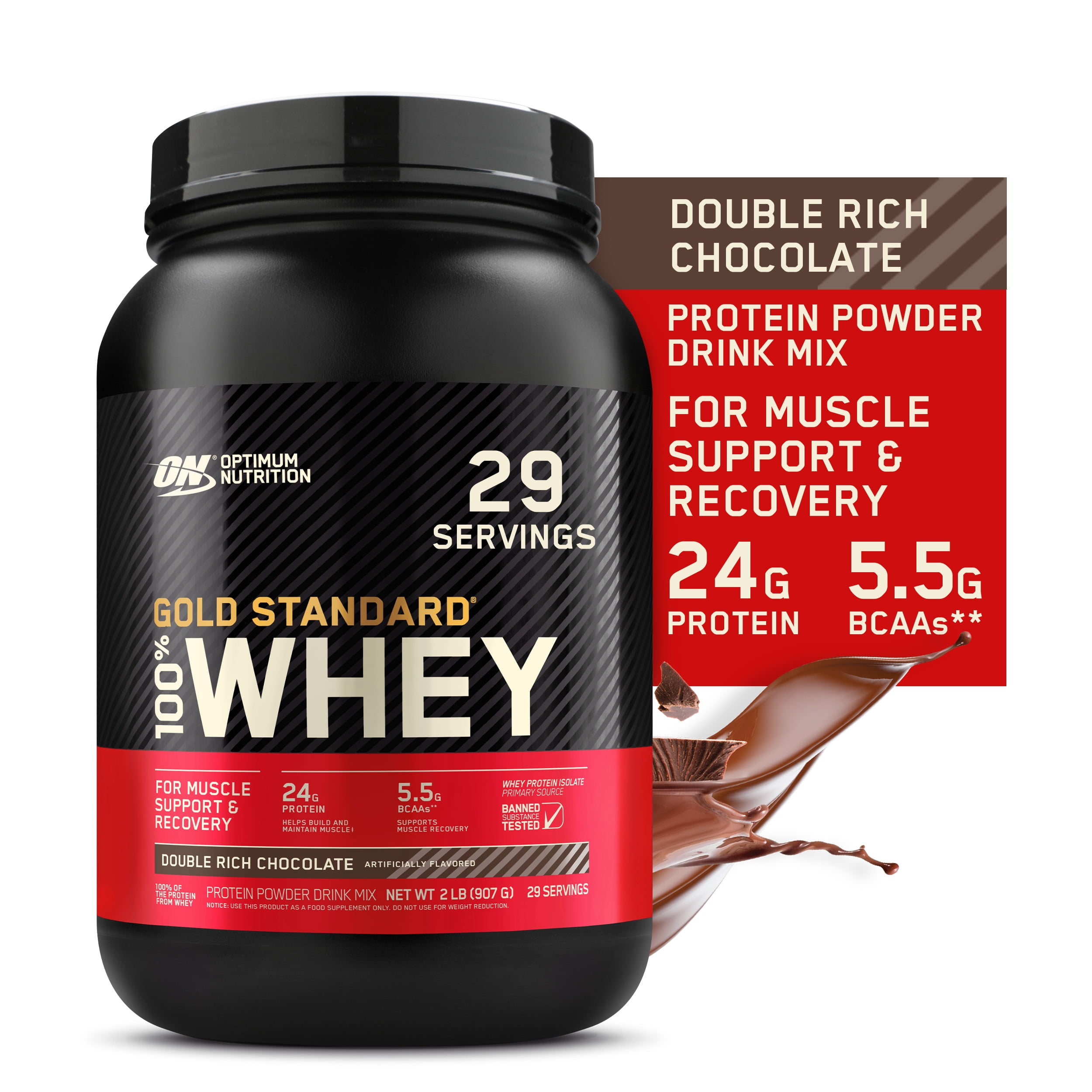
“As we age, the risk of sarcopenia increases,” notes an expert referenced in Inbox.eu, adding that the average muscle mass loss over a decade after 30 is 3–5%. For a 72-kilogram person at 40, that means increasing intake from about 60 grams to 72–87 grams daily. The catch? Whey protein doesn’t magically compensate for this deficit on its own. The Nutrients study found that whole-food protein sources—like eggs, legumes, and dairy—were far more effective at preserving muscle function than supplements alone.
The reason? Protein from food comes with cofactors—vitamins, minerals, and fiber—that enhance absorption and muscle repair. Whey, while convenient, lacks these synergies. “Adequate protein consumption can reduce the risk of falls, help wounds heal faster, and support mobility,” the expert adds, but only when paired with resistance exercise. Without it, even high-protein diets may not prevent muscle loss.
Whey Protein’s Hidden Limitation: The Muscle-Building Myth
Here’s the myth many older adults fall for: Whey protein builds muscle the same way it does for younger people. It doesn’t. After 40, the body’s anabolic response to protein—its ability to use it for muscle repair—diminishes. A 2024 meta-analysis in the Journal of the American Geriatrics Society found that while whey can maintain muscle mass in sedentary older adults, it doesn’t increase it unless combined with progressive strength training. The study’s authors warned that relying solely on supplements could lead to false confidence in one’s protein intake.
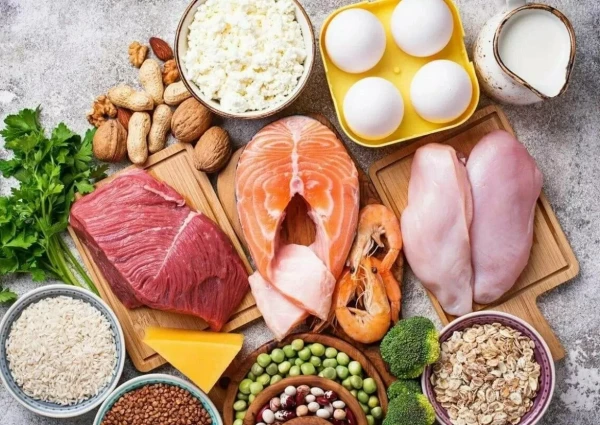
This isn’t to say whey is useless—just that it’s not a shortcut. The Nutrients study highlighted a stark reality: Older adults with low protein intake were twice as likely to report difficulty with daily tasks like climbing stairs or carrying groceries. Yet many turn to protein shakes without addressing the root cause: they’re not eating enough protein-rich foods in the first place. Whey can bridge gaps, but it’s a supplement, not a replacement.
The 4 Whole Foods That Outperform Whey for Older Adults
If whey isn’t the answer, what is? Nutritionist Shalini Sudhakar, founder of the Conscious Living program, recommends four daily foods that deliver protein without the pitfalls of supplements. Her approach is simple: Make protein invisible by embedding it in foods older adults already eat.
- Two eggs daily: 14 grams of protein per serving, plus vitamins A, D, E, K, and B9 (folate). “They immediately get defensive when you talk about protein,” Sudhakar says in an Instagram video, so she frames it as a health boost: “It has vitamin A for eyes, B12 for energy, and D for bones.”
- Two cups of dal (lentils): 30 grams of protein daily, plus fiber for digestion. “They already eat dal,” Sudhakar notes. “No convincing needed.”
- 100 grams of Greek yogurt: 12 grams of protein plus probiotics for gut health. “Gut health is critical after 50,” she emphasizes.
- One scoop of whey (optional): Only if the first three foods aren’t enough. “Instead of criticizing them, tell them the simple thing to do,” she advises.
Together, these three foods deliver 56 grams of protein daily—meeting the baseline for someone weighing 72 kg. The key? Consistency. The Nutrients study found that habitual protein intake mattered more than occasional high-protein meals. Older adults who ate protein-rich foods daily had 30% better handgrip strength and were less likely to report mobility issues.
Gender Disparities: Why Women Lose Independence Faster
The Nutrients study revealed a troubling gender gap: Women were more likely than men to report functional limitations—like struggling to carry groceries or climb stairs—even when protein intake was similar. Dr. Rizwan Qaisar, associate professor of muscle cell physiology at the University of Sharjah, attributes this to hormonal differences and lower baseline muscle mass in women. “Men with higher lean mass may show strength loss more clearly when protein is insufficient,” he explains, but women’s functional decline often goes unnoticed until it’s severe.
This isn’t just about muscle. The study linked low protein intake to higher rates of hospitalization and long-term care placement—a risk that disproportionately affects women. “Functional decline is multifactorial,” Qaisar says, but nutrition is the most modifiable factor. For women over 50, the message is clear: Protein isn’t just about strength—it’s about independence.
What Happens Next: The 30-Day Protein Reset Plan
- Week 1: Audit protein intake. Track daily protein sources using an app like Cronometer. Aim for 1.2 grams per kg of body weight (e.g., 84 grams for a 70 kg person).
- Week 2: Swap supplements for whole foods. Replace one whey shake with a protein-rich meal (e.g., dal + yogurt + eggs).
- Week 3: Add resistance training. Even bodyweight exercises (squats, wall push-ups) twice weekly can double protein’s muscle-building effect.
- Week 4: Monitor mobility. Note improvements in tasks like climbing stairs or carrying bags. Use a pedometer to track steps—low protein intake correlates with 20% fewer daily steps, per the Nutrients study.
“The moment you talk about their food habits and protein, they get defensive,” Sudhakar warns. The solution? Frame it as health, not dieting. “Ask them to have two eggs for their eyes, dal for their digestion, and yogurt for their gut,” she suggests.

The Bottom Line: Protein Isn’t a Supplement—It’s a Lifestyle
The takeaway is clear: Whey protein alone won’t prevent muscle loss after 40. The real game-changer is whole-food protein combined with strength training. The Nutrients study’s findings are unequivocal: Older adults with low protein intake face higher risks of falls, hospitalization, and loss of independence. Yet the fix isn’t complicated—it’s consistent.
Start with the four foods Sudhakar recommends. Add resistance training. And if supplements are part of the equation, use them as a bridge, not a replacement. The goal isn’t just muscle—it’s years of mobility, energy, and autonomy. As Qaisar puts it: “Simple movements like walking or carrying groceries require muscle strength. When protein intake is low over time, the body struggles to maintain those systems.” The clock starts at 30. The fix starts now.
Consult your healthcare provider before making significant dietary changes, especially if you have underlying health conditions.
