Hal Williams, Actor on ‘227’ and ‘Sanford and Son,’ Dies at 91
Hal Williams, who appeared in various sitcoms and films over a 50-year career, passed away of natural causes at his home in California.
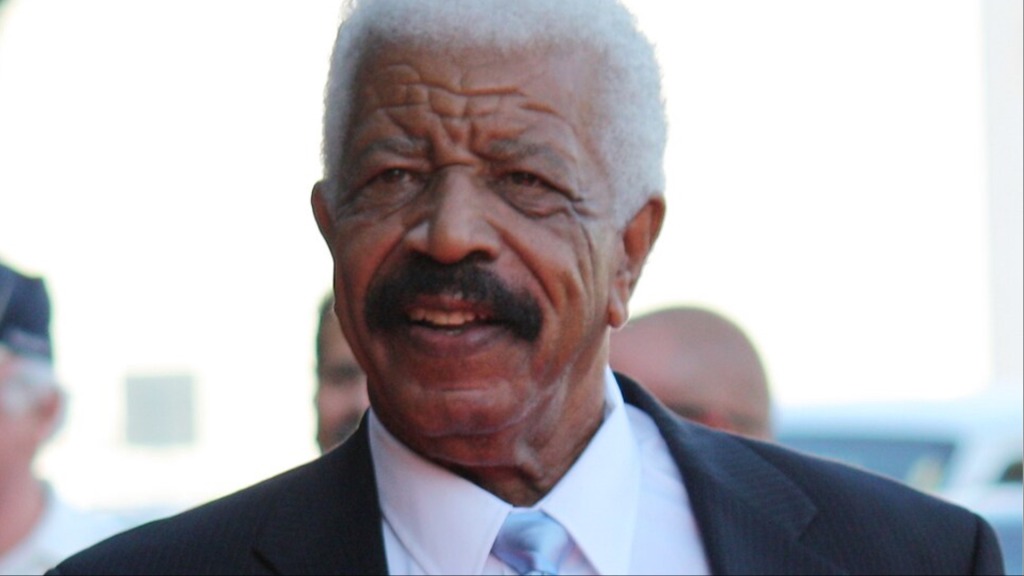
Hal Williams, Actor on ‘227’ and ‘Sanford and Son,’ Dies at 91
Hal Williams, the veteran actor recognized for his roles in Sanford and Son and 227, died of natural causes on the morning of Wednesday, July 15, at his home in Rancho Mirage, California. He was 91 years old.
According to his manager, Zna Portlock Houston, Williams had been experiencing health issues and felt tired after returning from Ohio two days prior. The trip was for a Sanford and Son reunion, which he attended with Howard Platt, the actor who played Officer Howard “Hoppy” Hopkins.
Born Halroy Candis Williams in Columbus, Ohio, in 1934, Williams did not enter the professional acting world until his 30s. He spent his early years in theater and recalled playing pretend as a child, imagining his dog was the Lone Ranger and he was Tonto. Before finding success in Hollywood, he worked as a social worker, corrections officer, and postal worker.
Following a divorce, Williams drove to Los Angeles in 48 hours in 1968. He gave himself a three-year window to establish an acting career, during which he spent his days auditioning and his nights working at the LAX post office. Even after landing roles in The Waltons and Sanford and Son, he maintained his post office employment until his children left for school, stating he did not feel financially able
to quit.
A Career in Comedy and Drama
Williams first gained significant recognition in 1972 as Officer “Smitty” Smith on Sanford and Son, appearing in 20 episodes. Paired with Howard Platt's Officer Hoppy, Williams played a friendly LAPD officer who translated police jargon into plain language and slang for the show's leads, Red Foxx and Demond Wilson.
Williams and Platt were often tasked by producers to inject current Black slang into the scripts. Williams described sitting in parking lots at hamburger or hot dog joints with Platt to develop lines and jargon to bring back to the production. He later returned to the role for the 1980 spinoff series Sanford.
In 1985, Williams took on the role of Lester Jenkins in the sitcom 227. He had previously met his co-star Marla Gibbs while guesting on The Jeffersons in 1984. The role of Lester was a departure from the original stage play, Two Twenty Seven, where the character was described as a philandering sleaze
. Williams noted that Gibbs refused an early pitch to make her character a single mother because she did not want her character to be a Black woman in the ghetto struggling to raise children
.
Williams viewed his role in 227 as a counter-stereotypical portrayal of a steady high school sweetheart and present father to the character played by Regina King. Jackée Harry, who starred as their neighbor, described Williams as a stand-up guy who believed Black fathers on TV should be loving, present, and compassionate
.
Diverse Credits and Industry Legacy
While comedy was a mainstay, Williams also appeared in dramas and various films. His television credits include:
- Recurring/Main Roles: The Waltons (as Harley Foster), Private Benjamin, The Sinbad Show (as Rudy Bryan), and On the Rocks.
- Guest Appearances: Gunsmoke, S.W.A.T., Roots: The Next Generation, The Dukes of Hazzard, Moesha, A Black Lady Sketch Show, Hill Street Blues, and Parks and Recreation.
- Recent Work: The Kathy Bates-led remake of Matlock.
On the big screen, his work spanned from 1979's Hardcore and Herbie Rides Again to The Rookie in 1990, Guess Who in 2005, and 2012's Flight, where he played the father of Denzel Washington's character.
Despite his success, Williams admitted in 2019 that his comedy roles sometimes led to pigeonholing, noting that people often did not realize he was a serious actor
and that he typically played the straight guy in all the madness
. However, he remained proud of his longevity, telling WKYC recently that appearing in 11 television series over 50 years was unheard of
.
Reflecting on the evolution of the industry in 2022, Williams acknowledged the increase in Black producers, writers, and directors, stating, But we opened the doors
.