Escalating Tensions in Minneapolis: Local and Federal Responses
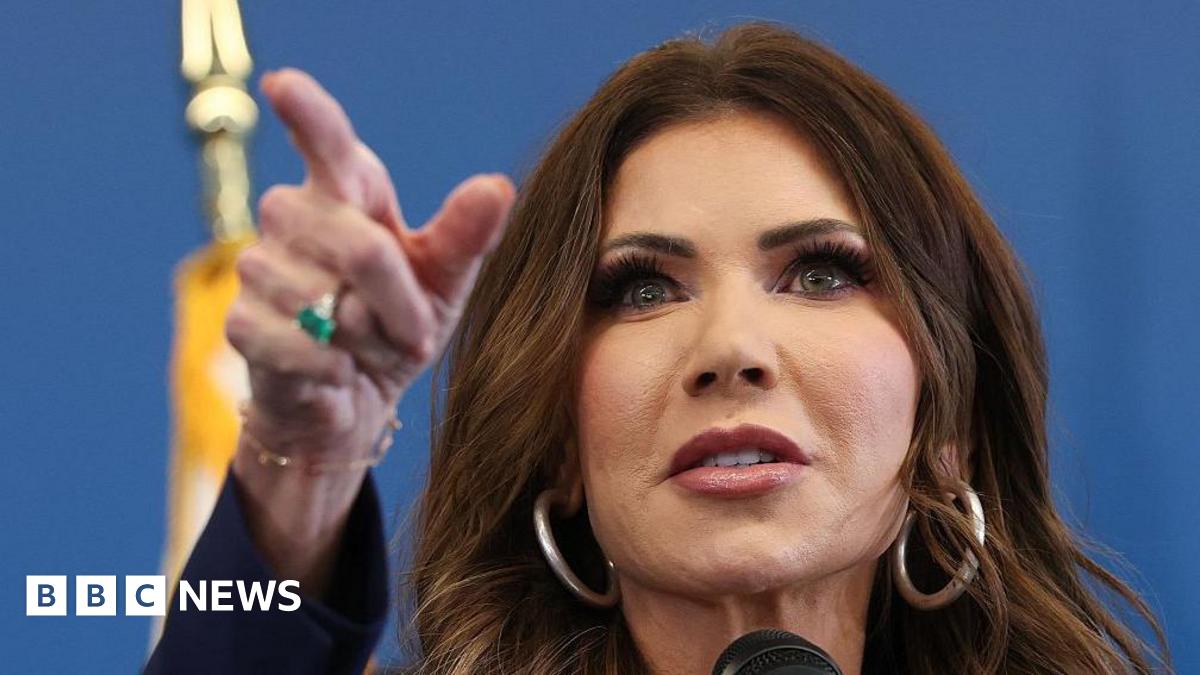
The ongoing debate surrounding immigration laws and law enforcement practices in the United States has intensified recently following an incident in Minneapolis involving U.S. Immigration and Customs Enforcement (ICE) agents. Governor Kristi Noem of South Dakota labeled the actions of a local protester as an act of “domestic terrorism,” claiming that the individual had “weaponized” her vehicle to strike at federal agents. This assertion has sparked significant discussion among local officials and politicians regarding the use of force by both protesters and law enforcement.
Contrasting Views Among Officials
Responding to Noem’s comments, Minneapolis Mayor Jacob Frey criticized her characterization of the incident, asserting that the individual involved was not committing terrorism but rather attempting to maneuver her vehicle during an encounter with law enforcement. “Anybody can see that this victim is not a domestic terrorist,” he told CNN, suggesting that her actions reflected panic rather than malice. He further noted that local police found themselves outnumbered by the presence of ICE agents during the incident, indicating a complex law enforcement scenario.
This difference in perspectives underscores a growing national divide over how acts perceived as resistance to federal immigration enforcement are interpreted. The matter touches upon larger themes of state versus federal authority and the escalating tensions surrounding immigration policy, as various states challenge federal actions in court and through public debate.
Political Ramifications and Accusations
Sparking further controversy, U.S. Senator Tina Smith, a Democrat from Minnesota, accused the Trump administration of attempting to obfuscate the circumstances surrounding the shooting incident. In her remarks to ABC News, she expressed that allegations being made by federal officials were an affront to transparency and accountability. “What we are seeing here is the federal government, Kristi Noem, Vice President Vance, Donald Trump, attempting to cover up what happened here,” Smith declared, emphasizing a belief that misinformation would ultimately not be accepted by citizens.
In response, the White House characterized Smith’s statements as false and inflammatory. White House spokesperson Abigail Jackson asserted that “Tina’s lies only serve to further inflame tensions and incite violence against law enforcement officers.” This exchange reveals the highly charged political battleground surrounding immigration policy, where statements are scrutinized through partisan lenses, complicating efforts at achieving bipartisan solutions.
Contextualizing the Incident: Immigration Policy and Law Enforcement
The Minneapolis incident occurs at a time of heightened scrutiny over immigration enforcement practices. Nationwide, there has been growing concern over the militarization of local law enforcement in cooperation with federal immigration agents, leading to accusations of aggressive tactics disproportionately affecting immigrant communities. In response to public outcry, some lawmakers have proposed reforms aimed at increasing accountability and transparency around ICE actions. Such discussions have potential implications for the future of state and local partnerships with federal law enforcement agencies.
As tensions evolve, the broader implications of such incidents cannot be overlooked. They contribute to a prevailing atmosphere where communities grapple with fears surrounding immigration enforcement and its intersection with civil rights. Moreover, the shifting political narratives may influence upcoming electoral cycles, as voters increasingly express their views on immigration and law enforcement through ballot measures.
Global Perspectives on U.S. Immigration Policies
Internationally, the narrative surrounding immigration enforcement in the United States is closely monitored by various human rights organizations. Groups like Amnesty International and the United Nations have voiced concerns over policies that seem to contravene principles of human dignity and protection. According to a report by the UN, the approach towards immigration enforcement often leads to a climate of fear and uncertainty amongst immigrant populations, impacting their ability to contribute to society and engage with law enforcement.
As domestic actors weigh responses to these incidents, international observers remain vigilant in assessing how U.S. immigration policies influence global perceptions of human rights and governance. The repercussions are not limited to borders but extend to the heart of diplomatic relations as the U.S. navigates its image on the world stage.
Conclusion: The Road Ahead
As the situation in Minneapolis continues to unfold, all parties involved face the challenge of addressing complex social issues that transcend mere political posturing. The conversation surrounding immigration, law enforcement, and civil rights is vital not just to local communities but resonates globally, shaping international dialogue around governance and human rights. Future responses from both federal and state authorities will likely have lasting implications on U.S. immigration policy, community relations, and the overall political landscape.
