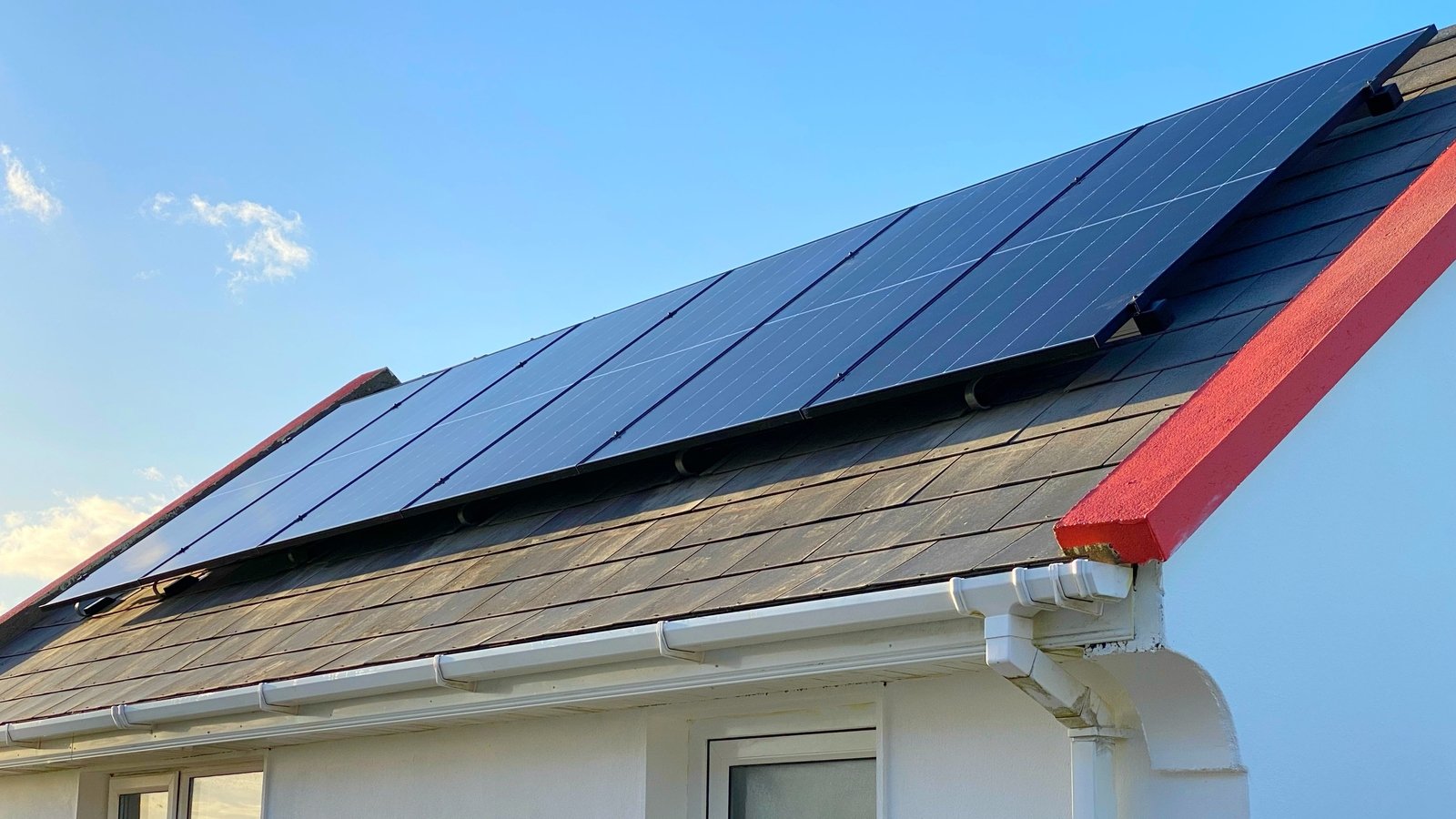
Analysis: The average lifespan of solar panels is about 25 to 30 years, but they were not designed to be repaired, refurbished or disassembled.
Solar power’s rapid expansion has a hidden cost: the accumulation of waste from solar panels designed for disposal rather than reuse. By 2050, the world is projected to generate approximately 250 million tonnes of solar waste, as installations from the early 2000s reach the end of their operational life. Current recycling efforts predominantly reclaim glass and aluminum, neglecting high-value materials like silver and copper. Without significant changes in design and recycling practices, the energy transition risks exacerbating environmental issues rather than alleviating them.
A Booming Industry Designed for the Dump
The average lifespan of solar modules, estimated at 25 to 30 years, suggests an increasing wave of decommissioned panels as early adopters in markets like Germany, Australia, Japan, and the U.S. face disposal challenges. The construction of solar panels incorporates durable layers of glass, silicon, and plastic, tightly sealed with strong adhesives, making repairs and material recovery exceedingly difficult, which could otherwise yield substantial economic benefits. According to a report from the International Renewable Energy Agency, unrecovered components could result in a loss of economic value exceeding €12 billion by 2050 in Europe alone.
The Limits of Recycling
Recycling processes currently focused on aluminum and glass recovery overlook the environmental and economic costs associated with lost metals, particularly silver, which although it constitutes a mere 0.14% of panel mass, represents over 40% of its material value. The inability to extract these valuable components from crushed panels hampers economic viability and drives a demand for new raw materials. Calling for efficiency, the solar industry must pivot towards strategies that prioritize repair and reuse over recycling alone to extend the life cycle of solar panels.
Can Panels Be Redesigned to Be Repaired?
Facilitating repairability in solar panels necessitates a complete redesign. Current manufacturing techniques predominantly favor permanence, limiting future reuse options. Alternative approaches include modular designs with removable components, employing standardized connections and mechanical fixings. Such innovations would support a circular economy, allowing components to be disassembled and reused, thereby enhancing sustainability and reducing the need for new material extraction.
Digital Tools Can Help
The integration of digital technologies can further enhance repair processes by maintaining records of a solar panel’s materials and assembly. Initiatives like the EU’s Digital Product Passport promise to revolutionize the solar industry by providing comprehensive details about components and prospective repair methodologies. This approach would not only inform but also empower consumers and refurbishers to act on valuable data regarding their solar installations.
However, the efficacy of digital tools hinges on designing panels that are repairable and disassemblable. Digital passports will be introduced progressively starting in 2027 and expanding towards a broader array of products by 2030, introducing a new standard in product lifecycle management.
Ultimately, the current trajectory of solar panel design serves as a cautionary tale about prioritizing immediate energy output over long-term sustainability. The solar industry must align its practices with broader environmental goals to avoid becoming a contributor to the very waste problem it aims to solve. A concerted effort to redesign panels for repair and reuse, supported by digital tools, could reshape the narrative of solar energy from one of waste to one of sustainability.
For further insights on corporate strategies towards sustainability, see related reports by Bloomberg and explore more on Globally Pulse Business.
