Iran hits two UAE tankers in Strait of Hormuz
The UAE Ministry of Defence reported that Iranian cruise missiles targeted two national tankers, causing one death, eight injuries, and material damage.
- Headline Dispatch: Iran hits two UAE tankers in Strait of Hormuz
- Core Takeaway: The UAE Ministry of Defence reported that Iranian cruise missiles targeted two national tankers, causing one death, eight injuries, and material damage.
- Source Synthesis: Continuous live monitoring aggregated across major news wires and independent bureaus.
Iran hits two UAE tankers in Strait of Hormuz
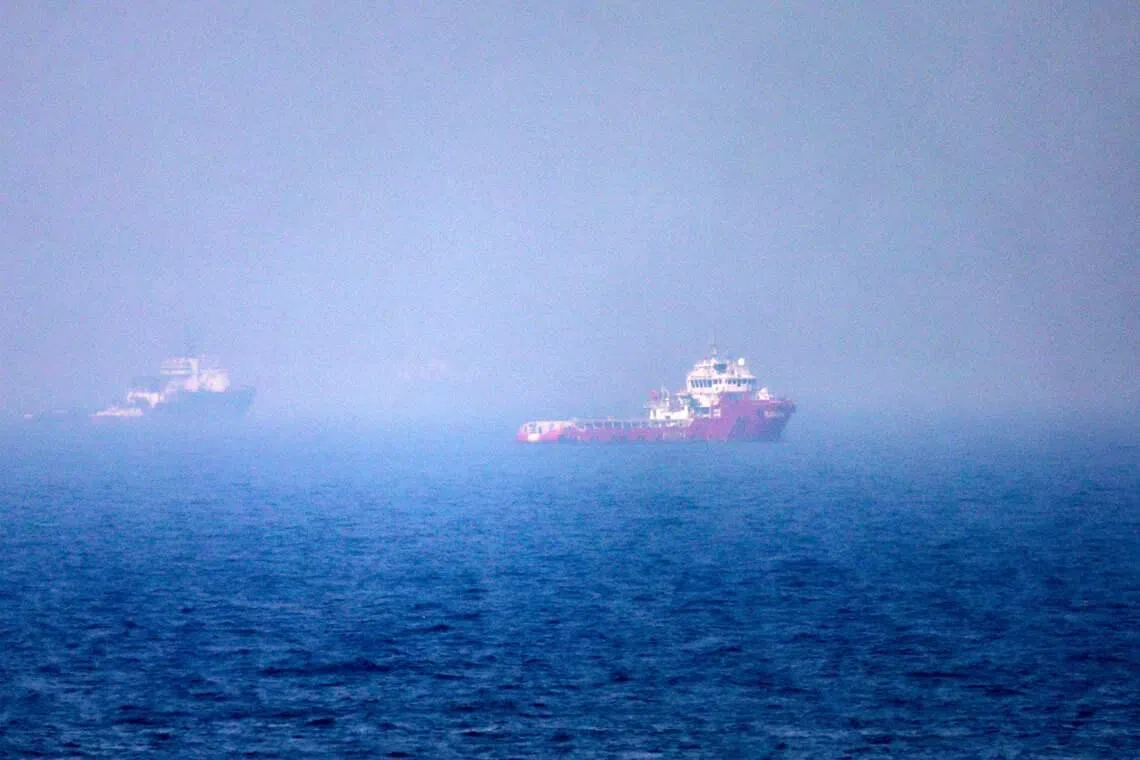
The United Arab Emirates' Ministry of Defence announced that two of its national tankers were targeted by Iranian cruise missiles while transiting the southern shipping lane of the Strait of Hormuz, within Omani territorial waters. The attack on the Mombasa and the Al Bahiyah resulted in the death of one Indian crew member aboard the Mombasa tanker and the injury of eight others—four Indians and two Ukrainians.
According to the UAE Ministry of Defence, the attack caused material damage to both tankers as a result of the fires that broke out on board. The ministry clarified that the fires have been brought under control. The UAE reserves its full right to respond to this escalation and to take all necessary measures to protect its territory, its citizens and residents, in a manner that safeguards its sovereignty, security, and stability, and protects its national interests.
The UAE Ministry of Foreign Affairs condemned and denounced the Iranian hostile attacks on the oil tankers, stressing the need for Iran to halt these unprovoked attacks. The ministry extended its sincere condolences and sympathy to the family of the Indian victim, as well as to the Government and people of India, and wished all the injured a speedy recovery.
The attack comes after weeks of heightened tensions in the region since the war broke out on February 28, when the US and Israel launched attacks on Iran. The US military carried out a third consecutive night of strikes against Iran, with President Donald Trump reinstating a blockade of Iranian shipping and proposing charging a 20% fee to guard the Strait of Hormuz.
Iran's top joint military command said the US had no role in determining the future of the waterway and would not be allowed to intervene. The conflict has destabilized the Gulf and spread across the region, with Iran attacking US bases in multiple countries. The interim US-Iranian agreement signed last month to reopen the strait and halt hostilities has been thrown into question.
Before the conflict began, around a fifth of the world's oil and gas traffic passed through Hormuz daily, delivering more than 15 million barrels of fuel to global markets.
Iran's Islamic Revolutionary Guard Corps (IRGC) said that two "offending" supertankers had been hit and disabled in the Strait of Hormuz after ignoring repeated warnings, turning off navigation systems and attempting to pass through what the Guards described as a mined route. The IRGC accused the US of "inciting vessels to use an illegal route" and said cooperation with the "aggressor enemy" would only result in damage, delays in reopening the Strait of Hormuz, and a global energy crisis.
The United Kingdom Maritime Trade Operations (UKMTO) agency reported that a tanker had been hit by an unknown projectile while traveling 40 nautical miles north-east of Oman's Qalhat. However, it is unclear whether this incident is related to the attack on the UAE tankers.
Oil prices have risen amid heightened uncertainty about energy flows through the Strait of Hormuz. Brent crude futures climbed to their highest in four weeks
The UAE has urged members of the public to refrain from circulating rumors or unverified information, calling on them to obtain information exclusively from official sources. The ministry affirmed that the UAE is on the highest level of readiness and preparedness to address any threats, and that it is taking all necessary measures to respond decisively to any attempt to undermine the security and stability of the country.
How significant is this development?
Participate in our community survey on the trajectory and real-world impact of this news.