
SEC Commissioner Greg Sankey opened the league’s annual spring meetings in Destin, Florida, with a blunt critique of the shifting stances on College Football Playoff (CFP) expansion, asserting that “positions [on playoff size] seem to change a lot.” The remarks, made amid a poolside reception at the Sandestin Hilton, underscored the SEC’s cautious approach to a 24-team model, even as the Big Ten and other Power 4 conferences push for a radical overhaul of the postseason structure [1].
Sankey’s Stance on CFP Expansion
Sankey, the SEC’s leader, emphasized that the conference remains focused on a 16-team CFP model, a position he reiterated during his remarks. “The number of teams being 16 is still our focus,” he said, adding that the SEC is open to dialogue but insists any expansion must be backed by “analysis and information, not speculation.” This stance contrasts with the Big Ten’s recent pivot toward a 24-team format, which Sankey called “surprising” given the league’s earlier emphasis on 16. “When we were meeting last year, all those 16 ideas weren’t ours, and probably some of the outcomes,” he noted, suggesting the Big Ten’s shifting priorities reflect internal debates [1].
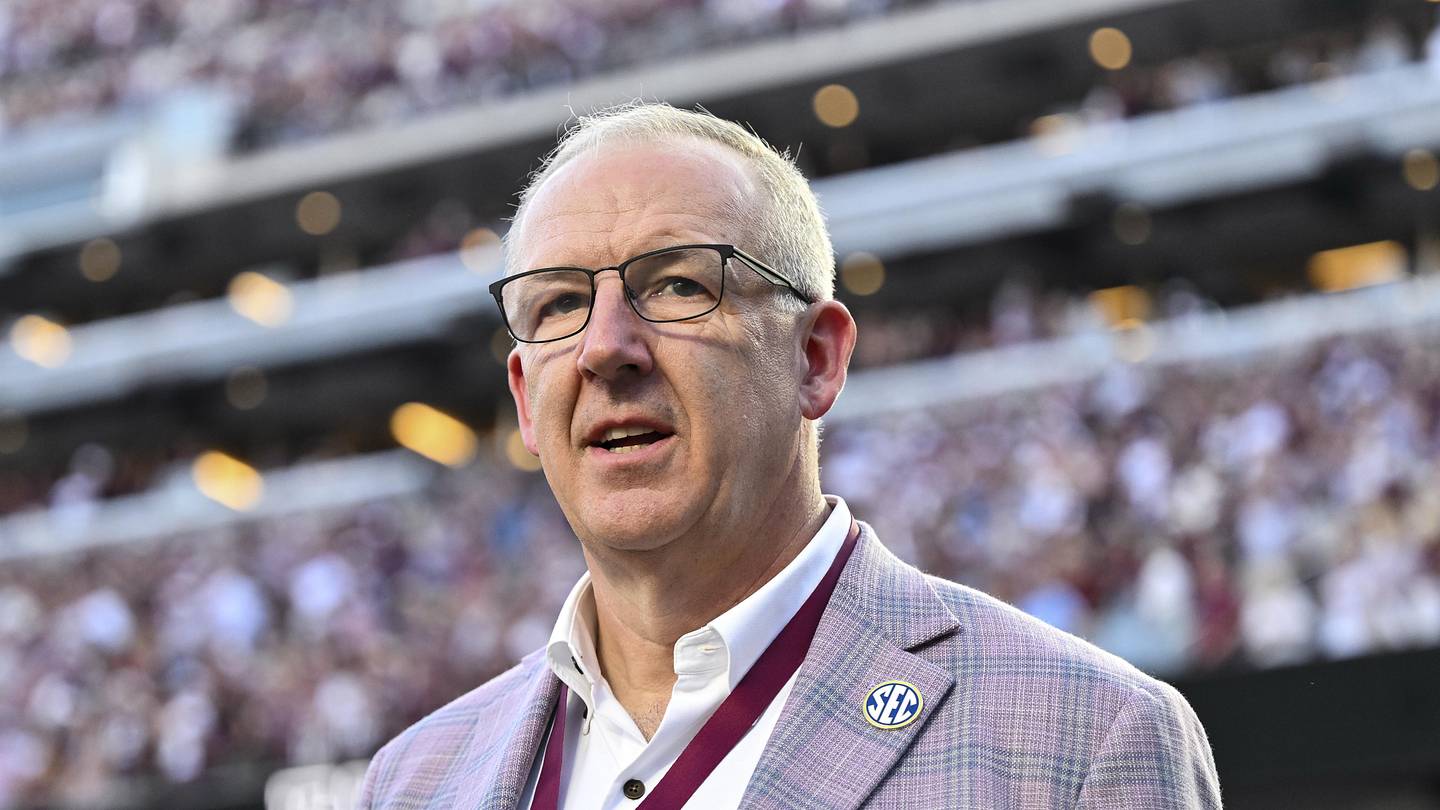
The SEC’s resistance to a 24-team model is rooted in its existing television contracts and concerns about disrupting the college football calendar. Sankey rejected the idea of moving Week 1 to Week 0, calling it “not a proponent of that,” and highlighted the league’s commitment to its current schedule. “We have a contract, so pretty committed,” he said, a clear reference to the SEC’s lucrative media deals [1].
The Big Ten’s Push for 24 Teams
Despite Sankey’s reservations, the Big Ten has emerged as the most vocal advocate for a 24-team CFP, with commissioner Tony Petitti leading the charge. Sports Illustrated reported that the Big Ten’s stance—once tentative—has grown more assertive, though it lacks formal unanimity among all Power 4 conferences. “There’s no evidence of widespread public support for doubling the playoff so soon after tripling it, from four to 12, in 2024,” the outlet noted, citing fan backlash against the 24-team proposal. Yet the Big Ten’s influence, bolstered by its financial clout, continues to pressure other leagues to align with its vision [2].
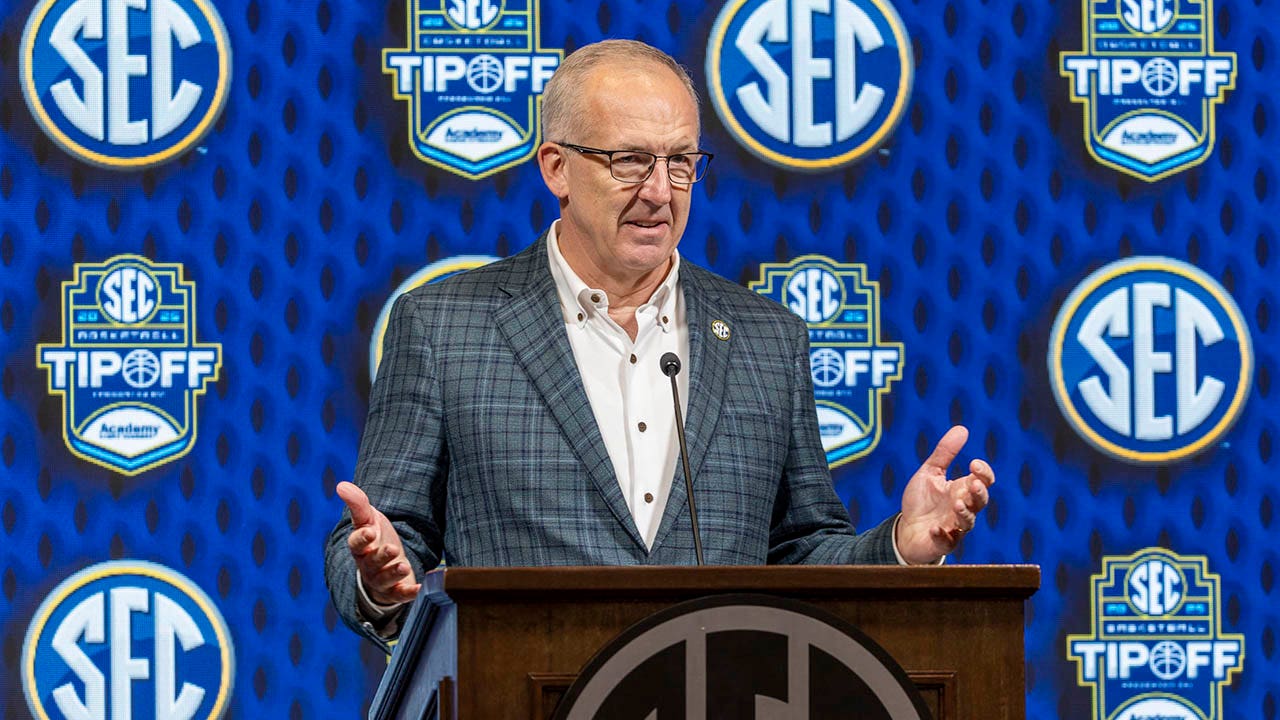
Sankey acknowledged the Big Ten’s role in shifting the conversation but stopped short of blaming it entirely. “Our responsibility, I speak to the Southeastern Conference, is to look at a lot of alternatives,” he said, adding that the SEC would “spend some time with our membership on that” before making a decision. However, he made it clear that a 16-team model remains the conference’s priority, even as it “open[s] to the conversation” [1].
Internal SEC Dynamics
Beyond the CFP debate, the SEC’s spring meetings also addressed internal tensions, including governance issues and the fallout from recent controversies. Fox News highlighted the league’s scrutiny of LSU coach Lane Kiffin, whose remarks about Ole Miss’s racial history sparked criticism from SEC officials. While the conference is unlikely to take public action, the situation underscores the SEC’s struggle to balance on-field competition with off-field reputational management [3].
Another point of contention is the College Sports Commission’s (CSC) investigation into NIL (Name, Image, and Likeness) deals in Oxford, Mississippi. The SEC has faced mounting pressure to address enforcement gaps, with critics arguing that the current NIL clearinghouse, managed by the CSC, lacks transparency. Sankey, however, remained noncommittal, stating that the SEC’s focus remains on “the spectrum of possibilities” for playoff expansion rather than immediate governance reforms [1].
Implications for College Football
The SEC’s resistance to a 24-team CFP could delay broader changes to the postseason structure, leaving the NCAA Tournament’s recent expansion as a cautionary tale. Sankey’s emphasis on “incremental expansions” aligns with his skepticism of rapid, large-scale reforms, a stance echoed by the American Football Coaches Association, which recommended reducing bye weeks and eliminating conference championship games to accommodate a larger playoff. However, the SEC’s reluctance to embrace these ideas suggests a cautious approach to balancing tradition with modernization [2].
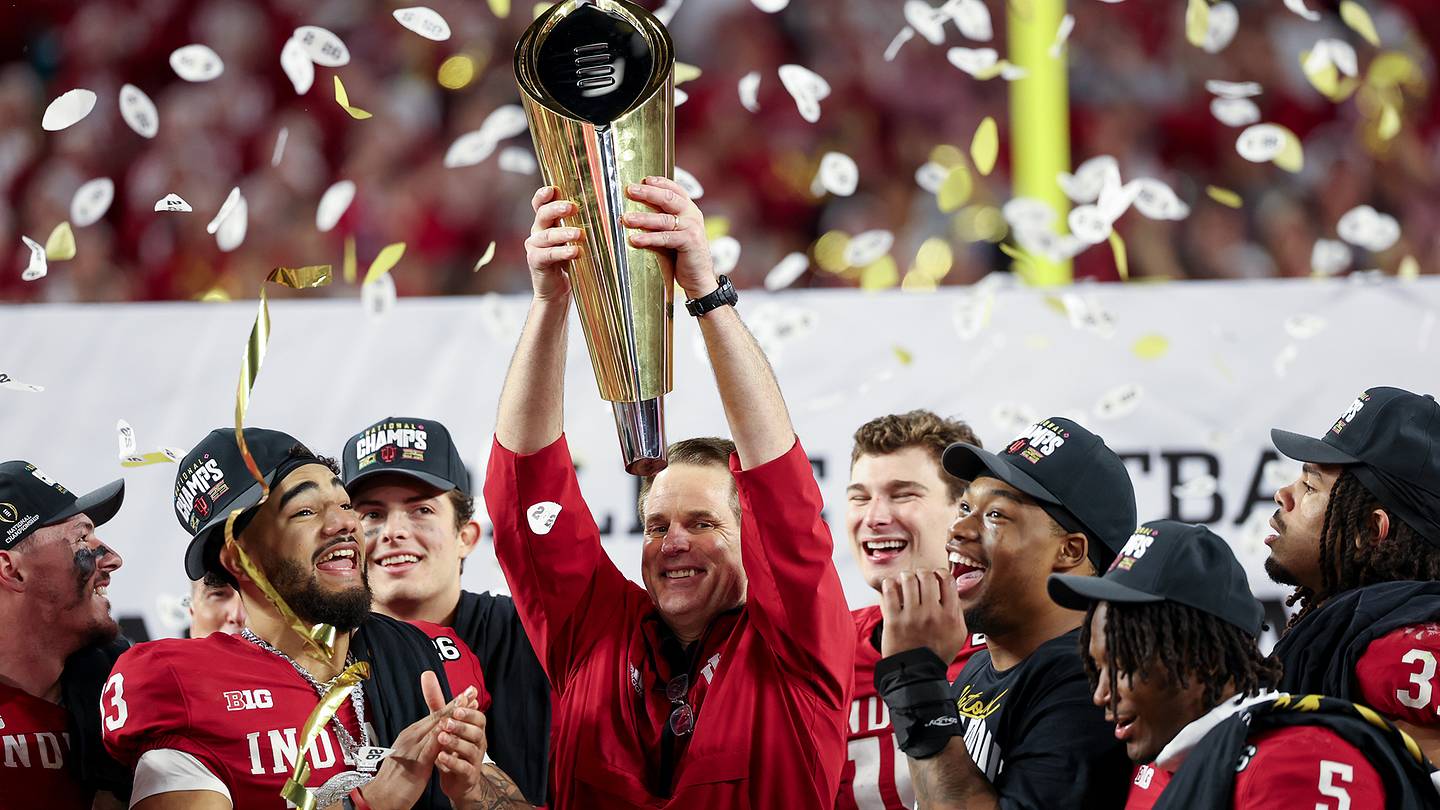
As the 2027 season approaches, the SEC’s decisions will have far-reaching consequences.
