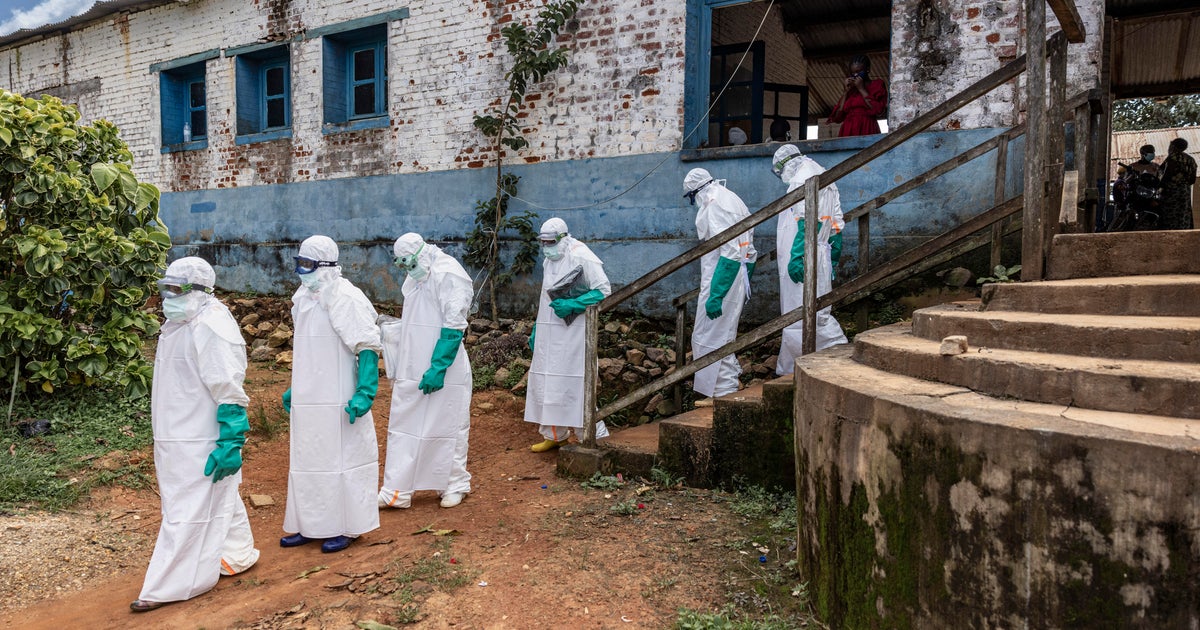
The Democratic Republic of Congo’s Ebola outbreak, now spreading across 11 African nations, has killed at least 220 people since May 15, with suspected cases exceeding 1,000—yet health officials warn the true toll may be far higher. The rare Bundibugyo strain, which lacks approved vaccines or treatments, is outpacing containment efforts as violence and distrust in eastern Congo hinder response teams. The World Health Organization (WHO) now calls the risk “very high,” while scientists race to deploy experimental solutions in the coming months.
Why This Outbreak Is Different: The Bundibugyo Strain’s Deadly Gap
Most Ebola outbreaks involve the Sudan or Zaire strains, for which vaccines like Ervebo (rVSV-ZEBOV) exist. But the Bundibugyo variant, responsible for this crisis, has no approved countermeasures. “It’s really a race against time,” says Canadian microbiologist Jason Kindrachuk, who has worked in Congo’s outbreak zones before. The delay in detection—likely weeks—means the virus has already spread widely, with cases now confirmed in Uganda and suspected in neighboring countries. Without a vaccine, containment relies entirely on contact tracing, isolation, and public trust—all of which are collapsing under armed conflict and community hostility.
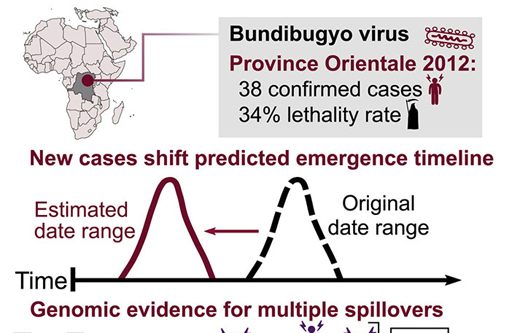
WHO Director-General Tedros Adhanom Ghebreyesus framed the challenge bluntly during a virtual briefing with African health leaders: “We are urgently scaling up operations, but at the moment, the epidemic is outpacing us.” The agency’s shift from “high” to “very high” risk reflects the alarming speed of transmission. While Oxford University scientists are developing a Bundibugyo-specific vaccine, clinical trials won’t begin for two to three months—a timeline that may already be too late for thousands of exposed individuals.
Violence and Distrust: How Congo’s Outbreak Is Being Sabotaged
Health workers in Ituri and North Kivu provinces are facing a three-front battle: the virus, armed groups, and furious communities. In Mongbwalu, the epicenter, armed men stormed a hospital Sunday evening, forcing medical staff to evacuate patients under gunfire. Dr. Richard Lokudu, the hospital’s medical director, described the scene as chaos: attackers demanded the bodies of relatives, while staff scrambled to save lives. This was the third attack on Ebola treatment centers in four days—following arson at a tented clinic and patients fleeing after fires were set.

The distrust runs deep. Locals have set fires at health facilities, blocked burial teams, and abandoned sick relatives to die at home—all behaviors that accelerate transmission. “The faster we can identify suspected cases … the faster we can contain this,” Kindrachuk emphasizes, but the reality is grim: dozens of patients have fled treatment after attacks, and contact tracers are being targeted. The International Medical Corps’ Ahmed Mahat, managing isolation ward construction, calls it an “uphill battle”—one where every gain risks being undone by bullets or flames.
“It’s really a race against time.
The Domino Effect: How Uganda Became Ground Zero for Spillover
Uganda’s seven confirmed Ebola cases—including two local transmissions—mark the first time the virus has crossed borders since the 2018–2020 outbreak. The chain began with a 59-year-old Congolese man who died in Kampala on May 14, three days after admission. His death triggered a cascade: a driver and health worker exposed to him tested positive, followed by two more health workers at a private hospital. The Ugandan Ministry of Health’s swift response—quarantines, border screenings, and contact tracing—has so far limited spread, but the risk of further cross-border transmission looms.
The outbreak’s geographic leap underscores a grim truth: no African country is immune. The Africa Centres for Disease Control and Prevention (Africa CDC) now lists 11 nations at risk, including Rwanda, Burundi, and South Sudan. “This is too much. We cannot afford to have more Africans dying,” warned Africa CDC Director General Dr. Jean Kaseya in a May 25 briefing. The stakes are higher than ever, given the Bundibugyo strain’s ability to spread silently before symptoms appear.
What Comes Next: The Next 30 Days Will Decide the Outbreak’s Fate
Time is the one resource running out. WHO’s Ghebreyesus will travel to Congo on Tuesday, but his arrival won’t halt the virus’s advance.

- Vaccine timeline: Oxford’s experimental shot won’t enter trials for two to three months—meaning containment must hold until then.
- Security: Armed groups like M23, already battling Congolese forces, could disrupt response efforts further.
- Public trust: Without community cooperation, case detection will remain woefully incomplete.
- Regional spread: Uganda’s cases prove the virus doesn’t respect borders—other nations must prepare.
For now, the response hinges on brute-force measures: isolating patients, disinfecting hotspots, and pleading with communities to abandon dangerous traditions like handling Ebola victims’ bodies. The Red Cross has launched a regional emergency appeal, but funding and personnel shortages persist. “We are playing catch-up,” Ghebreyesus admitted, acknowledging the grim reality: this outbreak will likely get worse before it gets better.
“The epidemic is outpacing us.
The human cost is already staggering. In Mongbwalu, where hospitals are under siege, Dr. Lokudu’s team is on “general alert,” bracing for further attacks. Meanwhile, Uganda’s health system is stretched thin, with local transmissions serving as a warning: the Bundibugyo strain doesn’t discriminate. The next 30 days will determine whether this becomes a contained flare-up or a continent-wide catastrophe. One thing is certain: without urgent action, the bodies will keep piling up.
For updates on travel advisories, symptoms, and how to protect yourself, consult official sources like the CDC or WHO. If you’ve traveled to affected regions in the last 21 days, seek medical evaluation immediately.
