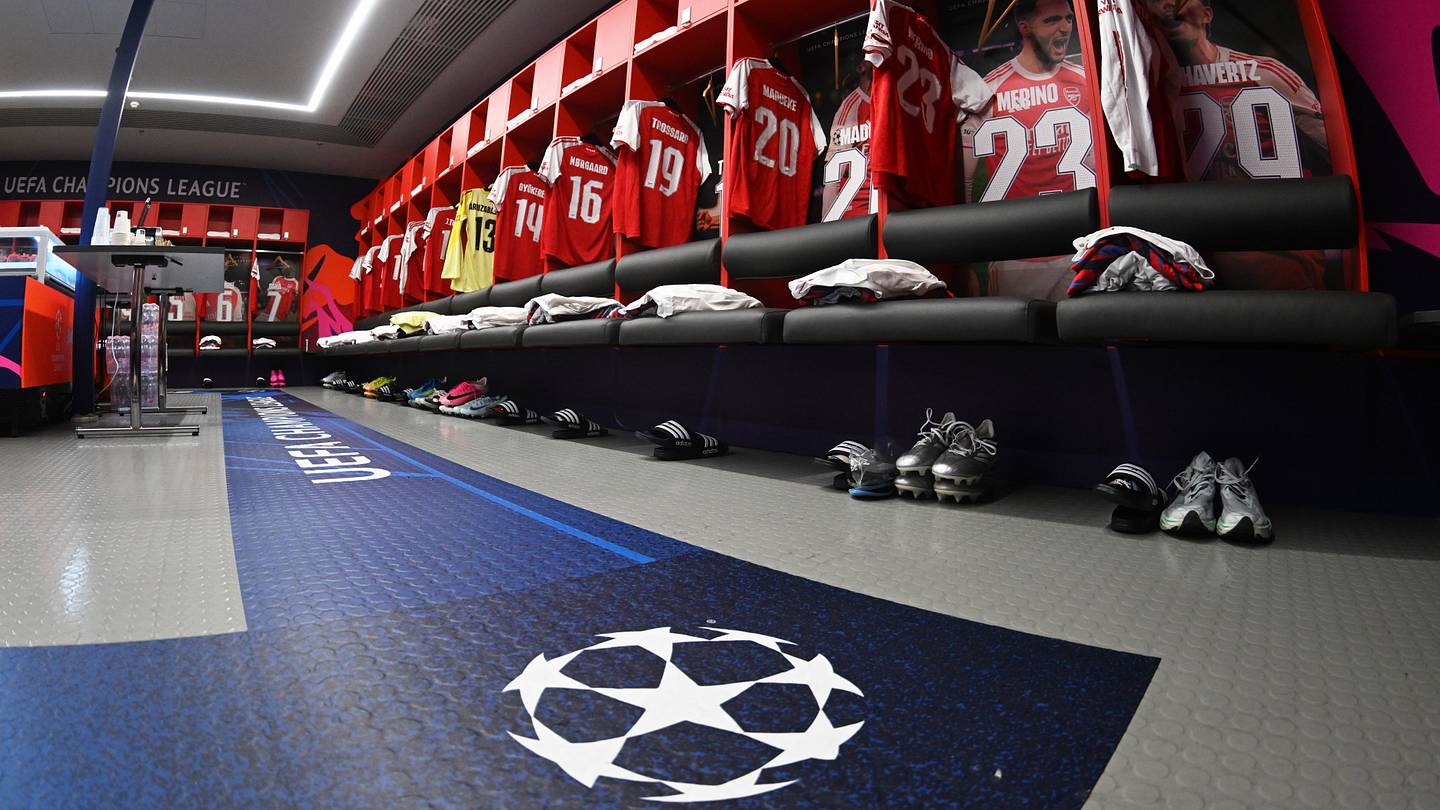
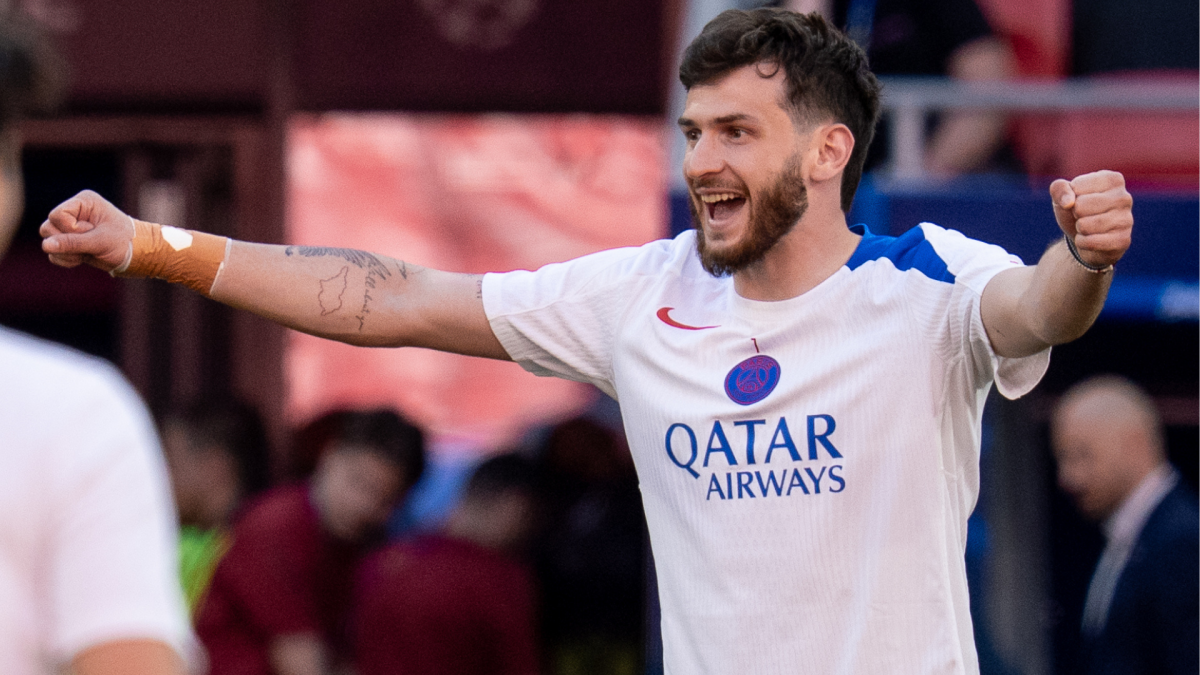
The 2025–26 UEFA Champions League final between Paris Saint-Germain and Arsenal is set to deliver a clash of contrasting philosophies at Budapest’s Puskás Aréna on Saturday, May 30, 2026, with PSG aiming for back-to-back titles and Arsenal chasing their first European crown since 2004.
PSG’s Attacking Firepower vs. Arsenal’s Defensive Solidity
Paris Saint-Germain’s starting lineup reveals a squad built for explosive transitions, with Luis Enrique deploying Achraf Hakimi and Ousmane Dembélé alongside Khvicha Kvaratskhelia in a front three that has dominated European football this season. The inclusion of Vitinha in midfield—widely regarded as one of the best central midfielders in the world—underscores PSG’s reliance on possession control and quick counterattacks, a strategy that earned them the trophy last year with a 5-0 demolition of Inter Milan. Sports Illustrated confirms Hakimi and Dembélé have overcome recent injury concerns to feature in the starting XI, while Vitinha’s ability to dictate tempo will be critical against Arsenal’s high press.
Arsenal, meanwhile, have structured their side around defensive resilience. Mikel Arteta’s tactical flexibility is evident in his lineup, where Kai Havertz—who won the Champions League with Chelsea in 2021—leads the attack over the more expensive Viktor Gyökeres, a nod to Arsenal’s pragmatic approach in big games. The midfield trio of Declan Rice, Myles Lewis-Skelly, and Martin Ødegaard provides depth, while the backline, anchored by Gabriel Jesus and Gabriel Magalhães, will face stern tests from PSG’s wingers. The absence of Jurriën Timber due to injury forces Cristhain Mosquera into the right-back slot, a position he’s filled admirably this season but one that will demand extraordinary defensive discipline against Kvaratskhelia and Hakimi. Sports Illustrated notes Mosquera’s ongoing absence of Ben White has left Arsenal vulnerable on the flanks, a weakness PSG will exploit if they can break through the Arsenal midfield.
The Key Battles That Will Decide the Final
Three duels stand out as potential turning points. First, the midfield battle between Vitinha and Arsenal’s Rice/Lewis-Skelly axis will determine whether PSG can maintain possession or if Arsenal’s pressing forces them into defensive errors. Vitinha’s ability to shield the ball under pressure—highlighted by CBS Sports as pivotal—will be tested by Arsenal’s aggressive out-of-possession play. Second, the full-back pairing of Hakimi vs. Mosquera and Kvaratskhelia vs. Nuno Mendes will expose Arsenal’s defensive vulnerabilities. Hakimi’s pace and directness contrast sharply with Mosquera’s defensive caution, while Kvaratskhelia’s dribbling will stretch Mendes, who plays out of position as a makeshift center-back. Finally, the goalkeeping duel between Donny van de Beek (PSG) and David Raya (Arsenal) could hinge on set-pieces, where PSG’s aerial threat from Dembélé and Kvaratskhelia will clash with Arsenal’s organized defensive structure.
cluster (priority): CBS SportsPSG Vs Arsenal LIVE | UEFA Champions League Final 2026 | Puskas Arena, Budapest | Arteta Vs Enrique
Arsenal’s tactical edge lies in their ability to nullify PSG’s attack through compactness and quick transitions. Their defensive record this season—conceding just 25 goals in the Premier League—suggests they can contain PSG’s firepower if they stay disciplined. However, PSG’s strength in transition means one break could expose Arsenal’s defensive frailties. CBS Sports identifies Vitinha as the linchpin, arguing that his ability to unlock Arsenal’s midfield will dictate PSG’s chances. Meanwhile, Bukayo Saka’s involvement in Arsenal’s attack—either through goals or assists—will be crucial, given his recent form despite injury setbacks.
Historical Context: What’s at Stake for Both Teams
This final marks a historic moment for Arsenal, who last reached the Champions League final in 2006 under Arsène Wenger’s leadership, losing 2-1 to Barcelona. Their domestic double—winning the Premier League for the first time since 2004—adds weight to their European ambitions. PSG, meanwhile, are chasing history as only the second team after Real Madrid (2016–2018) to defend their Champions League title successfully. Their 5-0 victory over Inter last year set the tone for their attacking dominance, but Arsenal’s defensive organization and recent resilience in knockout football make them formidable underdogs.
The contrast in styles is stark: PSG’s possession-based, high-tempo football vs. Arsenal’s pragmatic, defensive solidity. PSG’s attack—ranked among the most lethal in Europe—will need to break down Arsenal’s midfield to score, while Arsenal’s defense must prevent PSG from exploiting their numerical superiority in midfield. The match’s outcome could hinge on which team adapts more quickly to the other’s tactics, a dynamic that Sports Illustrated frames as the defining narrative of the night.
What Comes Next: Implications for European Football
A PSG victory would cement their status as Europe’s dominant force, while an Arsenal win would signal a new era of competitiveness in English football. The final also sets the stage for next season’s Champions League, where both teams are likely to remain contenders. For PSG, retaining the trophy would be a statement of their consistency, while Arsenal’s potential triumph would erase the memory of their 2006 heartbreak and restore faith in their long-term project.
cluster (priority): Al Jazeera
Beyond the trophy, the final’s outcome will influence transfer markets. A PSG win could trigger a fresh wave of speculation around their squad, with Dembélé and Kvaratskhelia likely targets for suitors. Arsenal’s success, meanwhile, might spark interest in Havertz or Saka, both of whom have been linked with moves away from the club. The match’s commercial impact is also significant, with UEFA’s decision to expand the Champions League to 36 teams next season partially driven by the demand for high-quality finals like this one.
As the teams take the field in Budapest, the focus will be on execution. PSG’s ability to control the game in midfield and Arsenal’s defensive discipline will determine whether this final lives up to its billing as a clash of titans. One thing is certain: the winner will leave with a legacy that transcends a single match.
Aaron Patel leads the Sports Desk, covering global tournaments and athlete profiles. Formerly with Sports Now Online, he has reported from the Olympics and FIFA World Cup. His editorial leadership emphasizes integrity, sportsmanship, and human stories behind the scores.