From Academia to Hollywood: The Rise of “Bad Bridgets”
A groundbreaking academic project about female Irish emigrants in 19th-century North America has taken an unexpected leap into mainstream entertainment, with Margot Robbie’s LuckyChap Entertainment announcing a feature film adaptation of the book Bad Bridget: Crime, Mayhem and the Lives of Irish Emigrant Women. The film, set to star Daisy Edgar-Jones and Emilia Jones, will be directed by Rich Peppiatt, best known for his acclaimed Irish-language film Kneecap. The project marks a rare transition from historical research to high-profile cinema, bringing long-overlooked stories of Irish women to a global audience.
From Forgotten Footnotes to Box Office Buzz
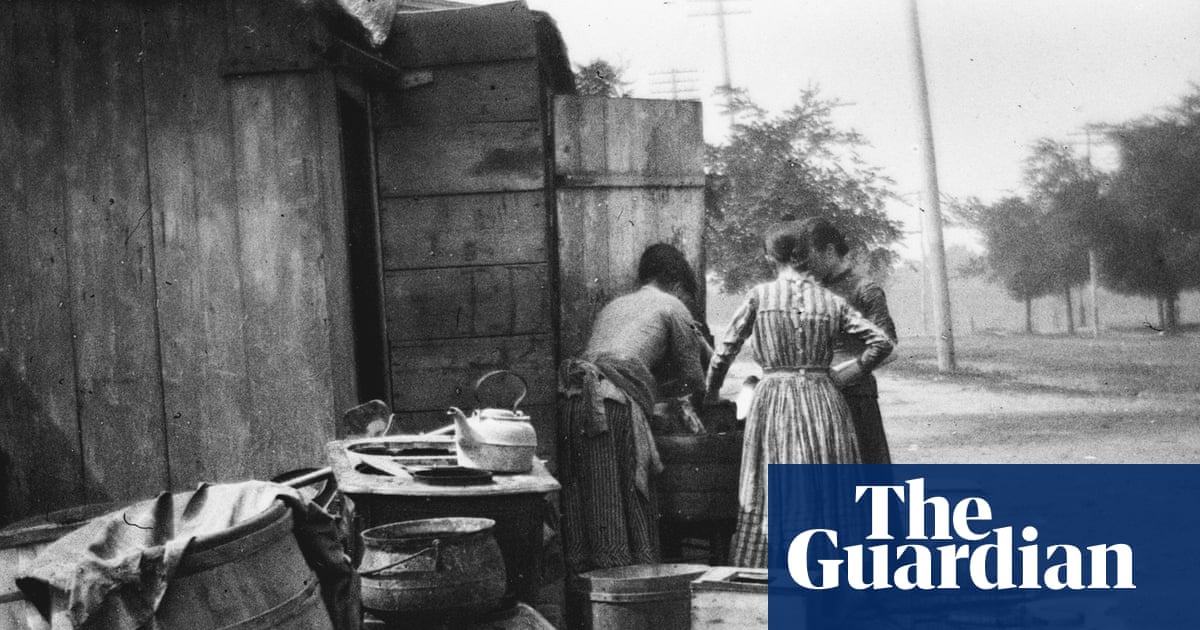
The original research, led by historians Elaine Farrell of Queen’s University Belfast and Leanne McCormick of Ulster University, began as a deep dive into police, court, and prison archives to uncover the lives of Irish women who migrated to the US and Canada during the 19th century. Far from the typical narrative of Irish women as domestic servants or dutiful mothers, the project revealed a darker, more complex reality: many were impoverished, criminalized, and marginalized, often winding up in prison or working as sex workers. The term “Bad Bridgets” was coined to describe these women, whose stories were largely erased from mainstream history.
The project’s findings were first published as a book and later adapted into a popular podcast, which has just launched its second season. According to Variety, the podcast’s success helped draw attention from Hollywood, leading to the film deal. The book and podcast have been praised for their nuanced portrayal of Irish women’s experiences, challenging the romanticized image of the Irish diaspora.
Star Power and Creative Vision
Daisy Edgar-Jones, known for her breakout role in Normal People, and Emilia Jones, star of the Oscar-winning Coda, will play sisters who flee famine-stricken Ireland to escape poverty and abuse. In New York, they enter the shadowy world of “Bad Bridgets”—sex workers, thieves, and outcasts. The film will be produced by LuckyChap, with Oscar-winning production designer James Price and costume designer Kate Hawley on board. Filming is set to begin in Ireland and Northern Ireland next year.
Rich Peppiatt, whose previous work on Kneecap earned critical acclaim for its bold storytelling and cultural authenticity, will direct. Peppiatt and his producer Trevor Birney optioned the rights to the book, collaborating with LuckyChap to bring the story to the screen. Farrell and McCormick have expressed excitement about the adaptation, though they acknowledge the challenge of handing over their research to filmmakers. “It’s hard handing over your baby,” said McCormick, “but it’s also exciting to see how people with different expertise take what we’ve created and make it something else.”
Why “Bad Bridgets” Matters
The film’s development comes at a time when Hollywood is increasingly interested in stories that highlight marginalized voices and challenge traditional narratives. The “Bad Bridgets” project not only sheds light on the struggles of Irish women but also reflects broader trends in entertainment, where true stories of resilience and defiance are gaining traction. The film’s focus on female agency, survival, and resistance resonates with contemporary audiences and aligns with the growing demand for diverse and authentic storytelling.
Farrell and McCormick hope that aspects of their research will be reflected in the film, but they also recognize that creative liberties will be taken. “We’ll leave the film up to Rich,” said McCormick. “He is the expert and he has amazing ideas so we’re really looking forward to seeing how it turns out.”
What’s Next for “Bad Bridgets”
As the film moves into production, the historians continue their research and teaching, but the prospect of a Hollywood premiere has sparked dreams of red carpets and awards. “That’s our main concern, you know, what we’ll wear for the red carpet,” joked Farrell. For now, the project remains a testament to the power of storytelling to uncover hidden histories and inspire new generations of creators and audiences.
Read more on Globally Pulse Entertainment for the latest updates on film, music, and pop culture.
