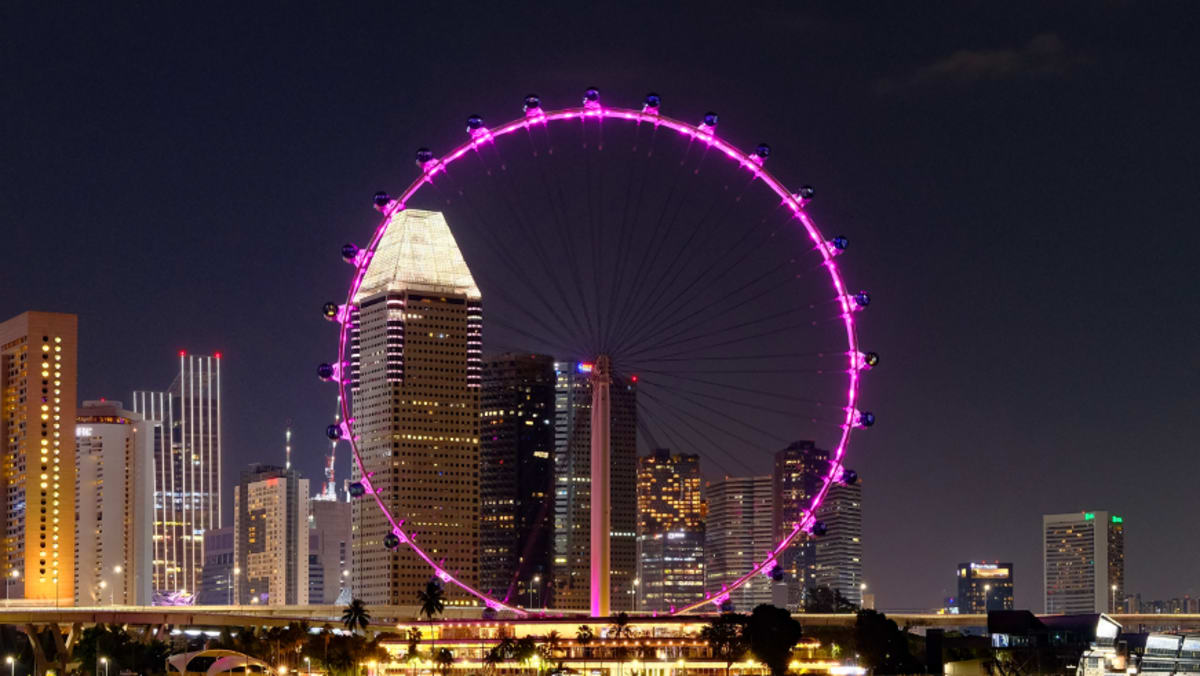
SINGAPORE: Event organisers in Singapore have reported a remarkable surge in demand for venues and services as the calendar for 2026 fills rapidly. Some events are already being booked up to two years in advance, a trend that’s indicative of the region’s vibrant event industry.
Last year proved to be a blockbuster for Singapore’s event scene, with nearly 30 major leisure and corporate gatherings taking place. This resurgence has solidified Singapore’s position as a premier hub for concerts, sporting events, and international conferences, attracting attention from around the globe.
Concerts, Tournaments, and Conferences
While major concert events featuring international acts such as K-pop group Blackpink and American singer Lady Gaga sent fans into a frenzy in 2025, it’s crucial to note that the appeal of Singapore extends beyond just music events. High-profile sporting tournaments, including the World Aquatics Championships, alongside substantial conferences, have collectively consolidated a thriving year ahead for the industry.
According to industry insiders, including Mr. Ross Knudson, co-founder of concert promoter LAMC Presents, the landscape for event planning is changing. Artists are now looking to book their Singapore tours much further in advance than ever before. “We’ve already got, I think, six shows on sale, and we’ve been busy through the holidays just working on booking shows for this coming year and even into 2027,” Knudson noted in an interview, expressing optimism about the trend.
This long-term planning signals a shift in the entertainment industry, with many artists and promoters considering Singapore a vital stop on their international tours. The extended lead time allows for more robust marketing and audience engagement strategies, thereby ensuring that events are more successful. “All of a sudden, the artists are really looking way down the calendar, and they’re talking to us about two or three years from now sometimes, which is great – we get more lead time,” Knudson explained.
This trend isn’t just good news for artists and promoters; it also has significant implications for local businesses, including hotels, restaurants, and transportation services, all of which stand to benefit from the influx of visitors attending these events. In fact, events like the World Aquatics Championships have historically boosted local tourism numbers, acting as a catalyst for long-term economic benefits.
As Singapore continues to recover from the pandemic’s impacts on the entertainment industry, these developments highlight the city-state’s resilience and attractiveness as an international events destination. The planning and execution of large-scale events are inherently complex, often requiring collaboration between various stakeholders, including local government, tourism boards, and independent organisers.
Furthermore, Singapore’s infrastructure, which includes state-of-the-art venues and comprehensive transportation networks, positions it favorably in the competitive landscape of global event hosting. According to Variety, cities that can efficiently manage logistics often see greater success in attracting high-caliber events, and Singapore appears to be leveraging this strategic advantage effectively.
Looking ahead, the implications of these developments extend into broader cultural themes, particularly in how entertainment events influence social cohesion and community engagement. Concerts and sporting events serve as spaces for collective experiences and can become significant cultural markers for a generation.
In conclusion, as Singapore gears up for another vibrant year of events, both local and international attention is expected to intensify. The ongoing demand for concert and conference slots serves as a testament to the city’s enduring appeal as one of Asia’s hottest destinations for entertainment. For readers seeking to dive deeper into Singapore’s cultural landscape and entertainment offerings, be sure to explore more on Globally Pulse.
