Central Asian economies see growth as combined GDP may exceed $600 billion
Central Asian nations are transitioning toward a balanced development model with combined GDP potentially exceeding $600 billion in 2026. Growth is supported by industry, infrastructure, and international capital inflows.
- Headline Dispatch: Central Asian economies see growth as combined GDP may exceed $600 billion
- Core Takeaway: Central Asian nations are transitioning toward a balanced development model with combined GDP potentially exceeding $600 billion in 2026. Growth is supported by industry, infrastructure, and international capital inflows.
- Source Synthesis: Continuous live monitoring aggregated across major news wires and independent bureaus.
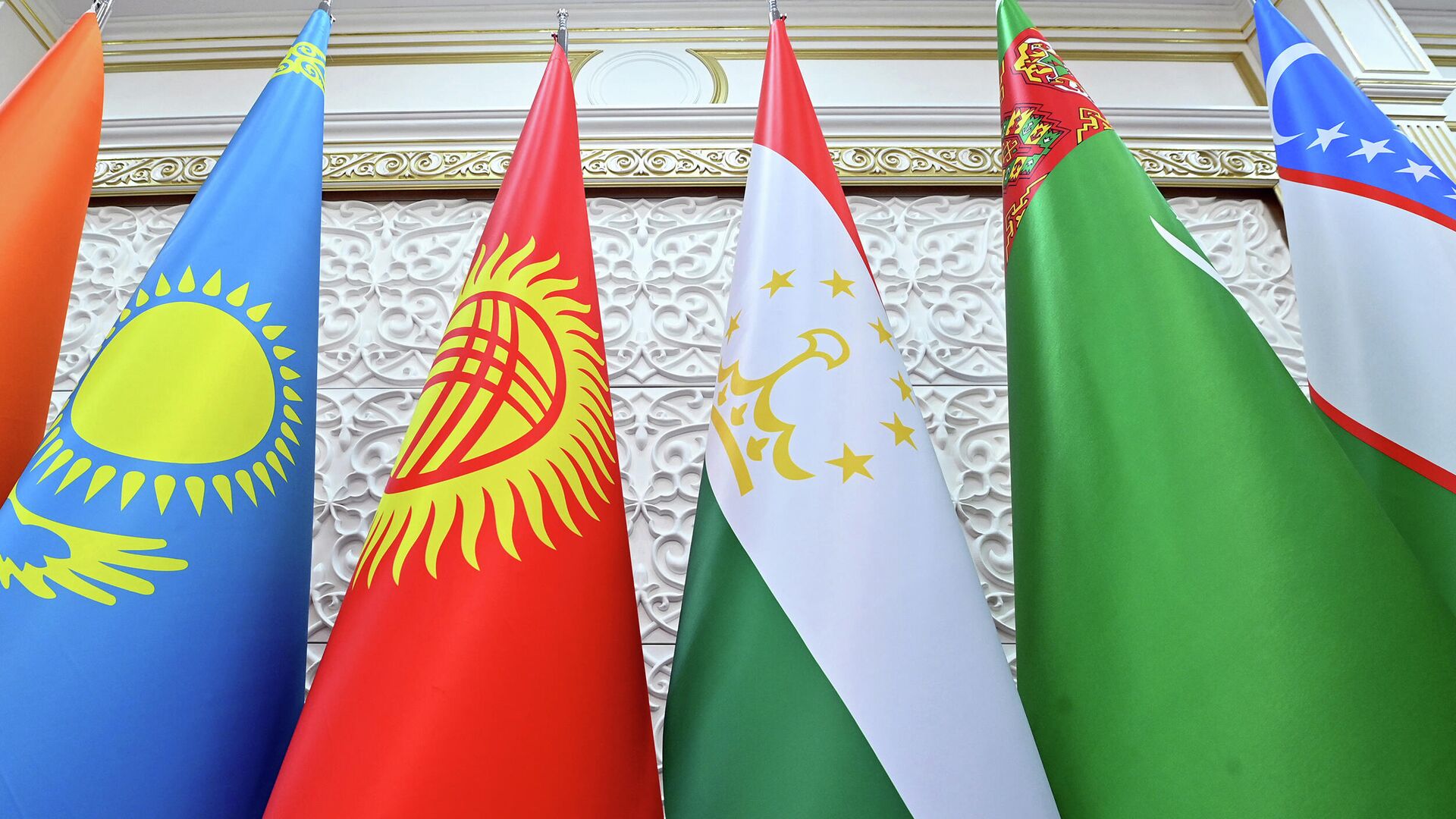
Central Asian economies see growth as combined GDP may exceed $600 billion
Central Asian nations concluded the first half of 2026 with economic results that indicate a transition toward a more balanced pace of development. The region is increasingly relying on a diverse array of growth drivers, including transport connectivity, domestic consumption, industry, infrastructure projects, and international capital inflows.
According to forecasts from the Eurasian Development Bank, the combined economy of Central Asia is expected to exceed $600 billion for the first time in 2026, with GDP growth potentially topping 6.5%. Other international organizations provide varying estimates; the European Bank for Reconstruction and Development projects regional growth at 5.6%. The World Bank reports continued strong momentum despite external challenges such as commodity market conditions and a slowdown among major trading partners.
Diverse National Development Models
The region's resilience is currently built on several complementary drivers, though the specific economic models vary by country.
Kazakhstan has shown underlying resilience despite first-quarter GDP growth of 4.1%, which was lower than previous years due to export-logistics constraints and temporary oil production disruptions. Investment, services, and construction have helped offset the oil sector's impact. International organizations project full-year growth for the country between 4.6% and 5.5%.
Public finances in Kazakhstan have seen notable gains. Revenues for the republican budget rose 24.6% in the first half of the year, totaling 8.5 trillion tenge (approximately $18 billion), while tax revenues increased more than 29%.
"The positive trend in revenues was driven by higher prices for key export commodities and increased foreign trade activity. In addition, according to the electronic invoicing system, sales turnover rose almost 12%, or by 10.8 trillion tenge,"
Yerzhan Birzhanov, Kazakhstan's Deputy Finance Minister, via government meeting
Birzhanov also noted that the formal economy is expanding, with the number of business entities and self-employed individuals reaching 2.9 million, an increase of more than 499,000 since the start of the year. The number of VAT payers grew by 22,300 to 158,200.
Uzbekistan remains one of the fastest-growing economies in the region, with first-quarter GDP rising 8.7%. This growth was fueled by industry, services, remittances, and strong domestic demand. The construction sector specifically expanded 15.5% year-on-year.
Between January and June, Uzbekistan received $690 million in approved sovereign financing from climate funds, development agencies, and international financial institutions. According to the Eurasian Fund for Stabilization and Development (EFSD), this placed Uzbekistan fifth among 13 Eurasian states.
"We created the SFD as a tool to bring together scattered information on sovereign financing across the Eurasian region into a single analytical system. Today, the database covers operations totaling more than $300 billion and enables analysis of long-term trends, shifts in sector priorities, the distribution of financing across countries, and the activity of international financial institutions,"
Gennady Vasiliev, EFSD director of the partnerships department, via EFSD
Kyrgyzstan has focused on major infrastructure. The economy grew 10.1% in the first quarter and 12.4% for the period of January to April. Key contributors include the China–Kyrgyzstan–Uzbekistan railway and the Kambarata-1 hydropower plant, alongside trade and industry.
Tajikistan reported an 8% year-on-year expansion in the first quarter, led by energy, transport, and industry. Fixed-capital investment grew 34%, with the Rogun hydropower plant and metallurgy and cement industries playing key roles. Inflation in Tajikistan remains around 4%.
Turkmenistan recorded GDP growth of 6.3% in the first half of the year. Natural gas output exceeded 39 billion cubic meters, and oil production totaled more than 4.1 million tons. Capital investment grew 4.3%, reaching 16.5% of GDP, with 54.9% directed toward cultural and social infrastructure and 45.1% toward production facilities.
Regional Integration and External Factors
Energy cooperation is deepening within the region. Tajikistan's natural gas imports from Uzbekistan reached 126.4 million cubic meters in the first six months of the year, an increase of 7.3 million cubic meters over the same period last year.
However, the region faces a complex external environment. A major trading partner, China, has seen its economy slow. China's GDP grew at an annualized pace of 4.3% in the April-June quarter, the lowest in more than three years. While China's exports rose 17.6% in the first half of the year, domestic spending and investment have lagged.
The Chinese government has set a growth target of 4.5% to 5% for the full year of 2026. The International Monetary Fund raised its annual growth forecast for China by 0.2 percentage point to 4.6%, but expects expansion to drop to 4.1% in 2027.
The economic agenda for Central Asia in the second half of 2026 will be shaped by the implementation of major infrastructure projects and the trajectory of gold and global energy prices, as well as trade developments with Russia and China.
How significant is this development?
Participate in our community survey on the trajectory and real-world impact of this news.