DR Congo Ebola outbreak kills 754
A Bundibugyo ebolavirus outbreak in the Democratic Republic of Congo has resulted in 754 confirmed deaths, complicated by treatment gaps and local resistance.
- Headline Dispatch: DR Congo Ebola outbreak kills 754
- Core Takeaway: A Bundibugyo ebolavirus outbreak in the Democratic Republic of Congo has resulted in 754 confirmed deaths, complicated by treatment gaps and local resistance.
- Source Synthesis: Continuous live monitoring aggregated across major news wires and independent bureaus.
DR Congo Ebola outbreak kills 754
The Ebola outbreak in the Democratic Republic of Congo has resulted in 754 confirmed deaths, according to reports. The outbreak, caused by the Bundibugyo ebolavirus, was declared a public health emergency of international concern by the World Health Organization (WHO) on May 16, 2026.
The epidemic is the 17th Ebola outbreak in the DRC and began only five months after the end of the previous outbreak. Early infections are believed to have occurred in January or February 2026 in the town of Mongbwalu, with imported cases reported in North Kivu Province and Uganda's capital, Kampala. An imported case from the DRC was also reported in France.
The Bundibugyo ebolavirus has complicated response efforts, as existing Ebola treatments were certified for a different Ebola species, the Zaire ebolavirus. Poor healthcare infrastructure in the region and an ongoing armed conflict have hindered detection, treatment, and prevention of the disease. It is considered likely that the true scale of the outbreak exceeds the confirmed numbers.
Traditional burial rituals in the region, which involve washing and dressing the corpse, returning it to ancestral land, and touching it as part of the interment ceremony, put mourners at risk of infection. Safe burial practices, which require the body to be immediately placed in a sealed bag and transported to a designated burial site, have been met with resistance from local communities.
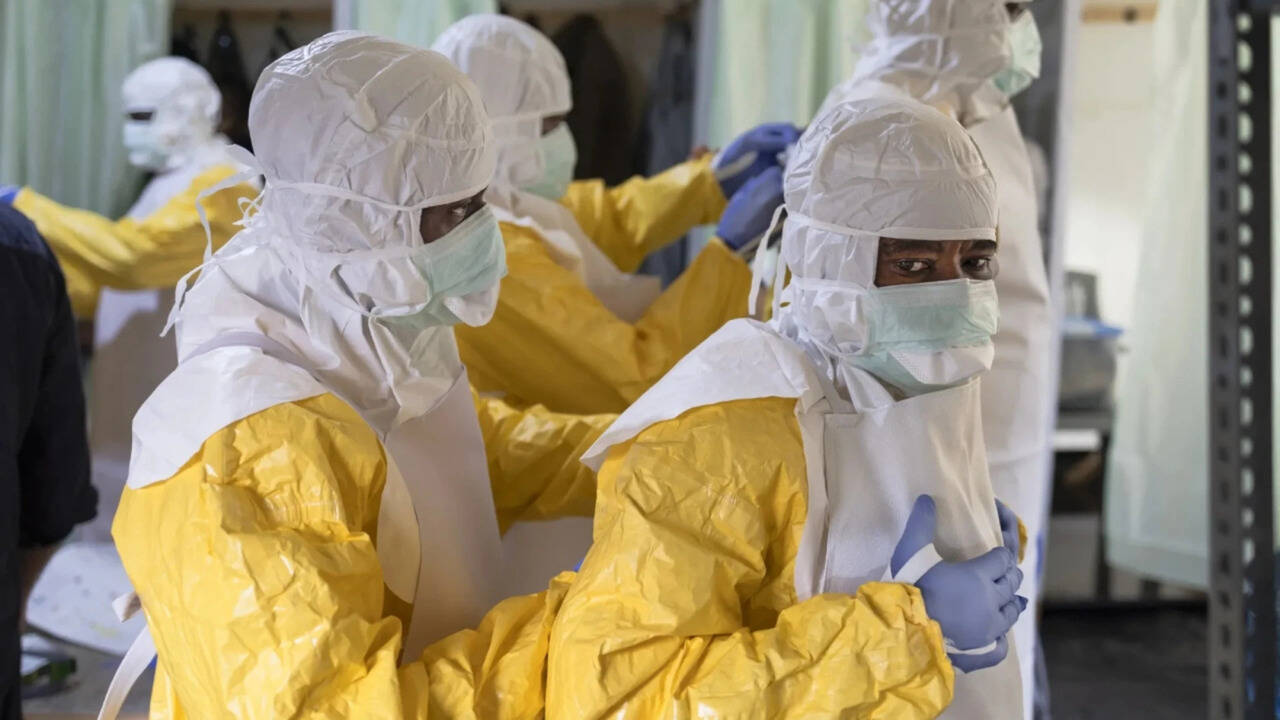
There have been several attacks on health workers, particularly those involved in burials, fueled by misinformation about the disease and the motives driving the humanitarian response. As of June 19, 17 healthcare workers have died, and 75 have been infected.
The WHO has recommended against the use of the rVSV-ZEBOV vaccine, which is effective against the Zaire ebolavirus, due to low evidence that it provides cross-protection against the Bundibugyo virus. However, clinical trials for treatment have begun, with two drugs, remdesivir and MBP-134, being tested in the Ituri region.
In addition to the treatment trials, efforts are being made to develop vaccines against the Bundibugyo virus. The Coalition for Epidemic Preparedness Innovations (CEPI) has announced funding to advance four investigational Bundibugyo vaccines into the first stage of clinical trials. The vaccines are being developed by Moderna, the University of Oxford, and IAVI, among others.
The CEPI has launched a scientific search to invest in additional promising vaccines and is working with partners to support late-stage testing. The goal is to advance vaccine candidates as quickly as possible through to emergency authorization to help curtail the outbreak and protect those most in need.
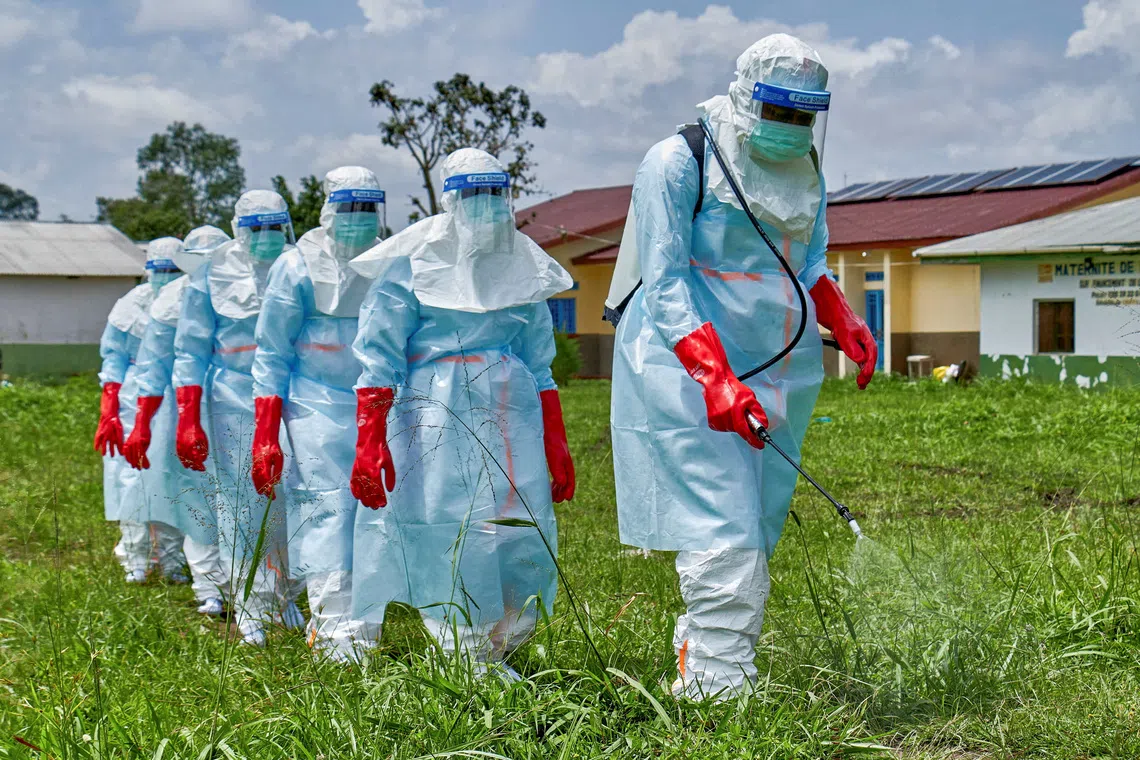
The situation in the DRC remains dire, with the outbreak still in the expansion phase. The response is reliant on basic techniques of identifying cases, isolating them for care, and tracking and monitoring people they have been in contact with. However, low trust in authorities and a highly mobile population are hampering efforts. The international community is working to support the response, with funding and resources being mobilized to combat the outbreak.
How significant is this development?
Participate in our community survey on the trajectory and real-world impact of this news.