OpenAI in early talks to give 5% stake to US government
OpenAI is discussing a proposal to give the U.S. government a 5% equity stake, a model inspired by the Alaska Permanent Fund.
- Headline Dispatch: OpenAI in early talks to give 5% stake to US government
- Core Takeaway: OpenAI is discussing a proposal to give the U.S. government a 5% equity stake, a model inspired by the Alaska Permanent Fund.
- Source Synthesis: Continuous live monitoring aggregated across major news wires and independent bureaus.
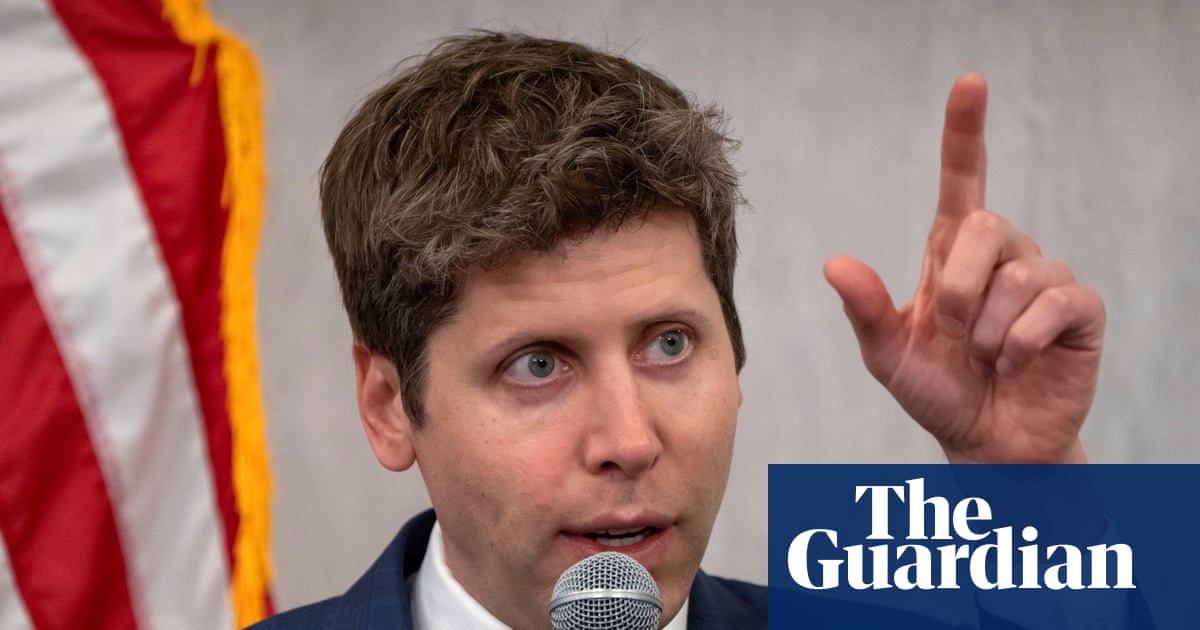
OpenAI in early talks to give 5% stake to US government
OpenAI is in preliminary discussions to grant the United States government a 5% equity stake in the company, according to reports from the Financial Times. The proposal, pushed by chief executive Sam Altman, is part of an effort to improve relations with the administration of President Donald Trump as AI companies face increasing scrutiny over national security and economic impacts.
Altman has argued that providing the American public with a financial interest in AI companies is the most effective method to share the economic gains produced by the industry. This conceptual plan suggests that other major U.S. AI developers, including Meta, Google, and Anthropic, should also contribute a 5% stake to a sovereign wealth fund or similar investment vehicle.
The proposed model seeks to replicate the Alaska Permanent Fund, established in 1976 to invest surplus oil revenues. That fund pays annual dividends to state residents and was valued at nearly $91.2 billion as of May 31. For OpenAI, a 5% stake based on its March funding round valuation of $852 billion would be worth approximately $42.6 billion.
It remains unclear if other industry giants would agree to the terms. Meta has not indicated that a 5% stake is appropriate and has reportedly not voluntarily shared frontier AI models with officials for safety testing. There is also uncertainty regarding whether semiconductor companies like AMD, Micron, and Nvidia would be expected to participate.
The outreach comes as the industry battles a wave of public skepticism. Recent data shows 70% of Americans oppose the construction of AI data centers in their areas, while half of the population expresses more concern than excitement regarding the technology. In June, Pew Research Center noted that views on the speed of AI advancement tilt negative, even among younger adults.
These tensions are already impacting operations. Last month, the government ordered Anthropic to restrict foreign nationals' access to its newest model on national security grounds, leading the company to suspend the model before restoring access this week after resolving safety concerns.
Altman has held talks regarding public ownership with President Donald Trump, Treasury Secretary Scott Bessent, and Commerce Secretary Howard Lutnick. President Trump recently described the concept of the American public becoming a partner with these companies as interesting
and stated his administration would look into the matter.
The proposal is not without political friction. Senator Bernie Sanders has pushed for a more aggressive approach, proposing a one-time 50% tax on the stock of the largest AI companies to finance a sovereign wealth fund. Sanders estimated this tax could yield $7 trillion for health care, housing, education, or direct payments to citizens. He has argued for an Independent Commission for Democratic AI to use voting shares to block corporate decisions that could harm the public.
This initiative aligns with an industrial policy document published by OpenAI in April. That paper addressed the potential impact of superintelligence
—AI capable of outperforming the smartest humans—and suggested a Public Wealth Fund to give citizens a stake in growth regardless of their investment status. The document also proposed raising corporate tax rates and taxing businesses that replace human workers with AI, alongside the adoption of four-day work weeks.
The move follows a precedent set last year when the U.S. Government acquired a 10% stake in Intel. Analysts from Wedbush suggest that such a deal could benefit the broader sector by increasing government support for infrastructure and supply chains, while reducing delays for new model releases like OpenAI’s GPT-5.6 and Anthropic’s Mythos.
Because the talks remain conceptual, any final agreement would likely require an act of Congress to implement the necessary legal mechanisms for the government to hold equity in these firms.
How significant is this development?
Participate in our community survey on the trajectory and real-world impact of this news.