California leads 12-state lawsuit to block Paramount Warner Bros merger
California leads 12-state lawsuit to block Paramount Warner Bros merger
- Headline Dispatch: California leads 12-state lawsuit to block Paramount Warner Bros merger
- Core Takeaway: California leads 12-state lawsuit to block Paramount Warner Bros merger
- Source Synthesis: Continuous live monitoring aggregated across major news wires and independent bureaus.
California leads 12-state lawsuit to block Paramount Warner Bros merger
A coalition of 12 states, led by California, has filed a lawsuit to block the proposed $110 billion merger between Paramount and Warner Bros. Discovery, arguing that the deal would "extinguish competition" in Hollywood and lead to fewer choices for consumers across the US.
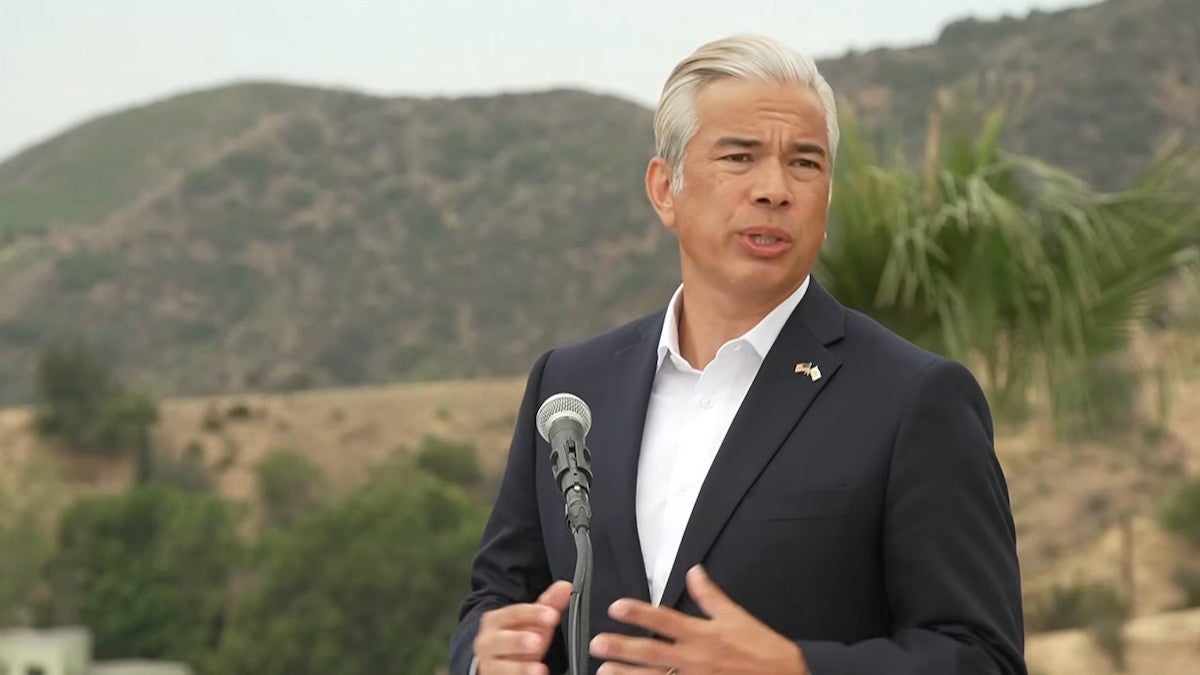
According to California Attorney General Rob Bonta, the merger would result in higher prices, fewer movies and TV shows, and lower quality of content overall. The states claim that a combined Paramount-Warner would control nearly a third of both the theatrical film distribution market and basic cable programming, creating "a massive company with unprecedented power and influence over news and entertainment across the globe."
The lawsuit, which was filed on Monday, is a notable hurdle for the entertainment giants as they attempt to merge operations. The companies have hoped to close their deal sometime in the third quarter of this year, but the states' lawsuit could throw a wrench in those plans.
Paramount has argued that the merger would create a "stronger competitor against dominant streaming and technology platforms" and would be good for growth in the industry. However, critics have decried the potential consequences of further consolidation in an industry already controlled by a few major players.
Paramount has vowed to "vigorously defend" the transaction, describing the lawsuit as "fundamentally flawed" and "wrong." The company has also argued that delaying the merger would harm entertainment workers who have already suffered as technology has disrupted their livelihood.
The clock is ticking for Paramount, which has pledged to give shareholders some compensation if the deal is not completed by September 30. The company has also agreed to a regulatory termination fee of $7 billion.
Beyond the US, Paramount has touted additional regulatory clearances it says it has received in a handful of other countries, including China, Canada, and Australia. However, other reviews remain in progress, including in the European Union and the UK, which has separately suggested it may intervene.
The lawsuit has garnered applause from groups like the Writers Guild of America, which warns that consolidation would result in "fewer jobs, lower wages for entertainment workers, less variety of programming, and higher prices for consumers." Thousands of actors, directors, writers, and other industry professionals have already voiced "unequivocal opposition" to the deal.
As the lawsuit makes its way through the courts, it remains to be seen whether the states will succeed in blocking the merger. However, one thing is certain: the outcome will have significant implications for the entertainment industry and consumers alike.
How significant is this development?
Participate in our community survey on the trajectory and real-world impact of this news.