Australia confirms first H5N1 bird flu case in local seabird; dead seal tested By Reuters
Authorities have detected the H5N1 virus in a greater crested tern in South Australia, marking the first time a native bird has been infected on the mainland.
- Headline Dispatch: Australia confirms first H5N1 bird flu case in local seabird; dead seal tested By Reuters
- Core Takeaway: Authorities have detected the H5N1 virus in a greater crested tern in South Australia, marking the first time a native bird has been infected on the mainland.
- Source Synthesis: Continuous live monitoring aggregated across major news wires and independent bureaus.
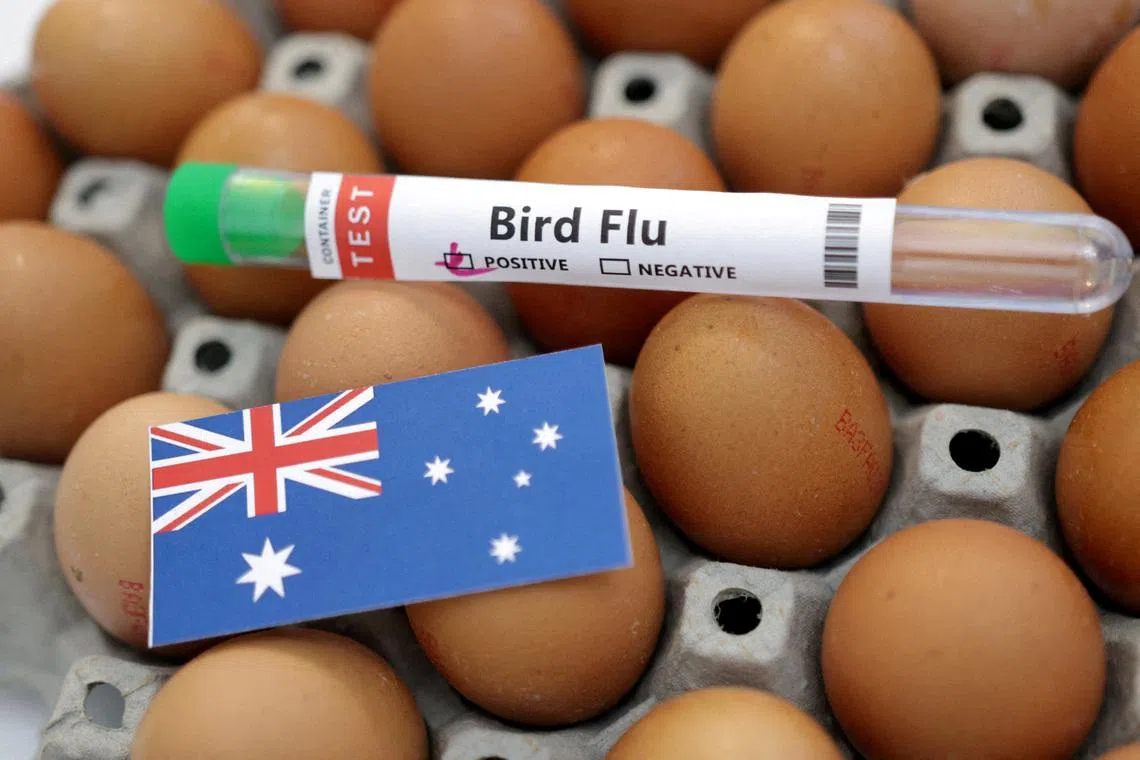
Australia confirms first H5N1 bird flu case in local seabird; dead seal tested
Australia has confirmed the first infection of the deadly H5N1 bird flu virus in a native seabird, signaling a wider spread of the disease after it reached the mainland in June. The national science agency identified the virus in a greater crested tern discovered in the South Australian coastal town of Robe, according to Agriculture Minister Julie Collins.
This development marks a shift in the virus's presence in the country; previously, all confirmed cases had been found in migratory seabirds. On Friday, July 10, authorities confirmed the greater crested tern case alongside two additional infections in South Australia and one in Western Australia, bringing the total number of confirmed detections in the country to 12.
Agriculture Minister Julie Collins described the situation as concerning
but not unexpected. She noted that scientists are currently working to determine how the native bird became infected, though she stated the coastal seabird shares a range with migratory birds that have already tested positive for H5.
The risk may extend beyond avian populations. A spokesperson from the environment department confirmed that H5N1 testing is underway for samples from a young fur seal that died on Thursday, July 9, on the Central Coast of New South Wales. If the test is positive, it would be the first confirmed case of H5N1 in a mammal on mainland Australia.
Hamish McCallum, an infectious diseases ecologist at Griffith University, called the spread to a local seabird very bad news
and stated, "It’s likely that this will be the beginning of many more cases,"
Regional and Global Context
Australia was the final continent to confirm a mainland-based case of H5N1 in June. However, the virus had been present in the region earlier, having been detected in late 2025 on the sub-Antarctic territory of Heard Island, located approximately 4,100 km from the mainland. Scientists believe the virus was introduced to those islands in August from migrating birds from the French-owned Crozet Islands, which are about 1,800 km away.
The impact on Heard Island has been severe. A study estimated that approximately 13,000 baby seals out of a group of 17,000 were killed by H5N1 since last August. Researchers also observed higher than expected deaths among penguin populations.
Since 2021, this virulent strain has spread through wild bird and mammal populations globally, killing millions and infecting dairy farms, poultry, and some farmworkers. Experts warn that if the virus becomes established in wildlife, it may become endemic and impossible to eradicate.
Government Response and Public Safety
The Albanese government maintains that the risk to human health remains low and that there is currently no evidence of mass mortalities or spread into the poultry and broader agriculture sectors. Nevertheless, the government has urged domestic bird owners and poultry producers to implement protective measures.
The government issued a warning to the public: If you see sick or dead birds or other animals, do not touch them.
Citizens are encouraged to report any animals showing signs of the flu. According to government descriptions, infected birds may exhibit:
- Inability to stand, walk, or fly properly
- A droopy or puffed-up appearance
- Breathing problems
- Unusual head or neck posture followed by sudden death
Officials emphasized that bird flu can only be confirmed through laboratory testing and urged the public to assist veterinarians or animal health officers in collecting samples. The virus spreads via feathers, droppings, and body fluids and can survive in the environment for months.
The country's Chief Veterinary Officer, Beth Cookson, stated that authorities had been preparing for this event for a long time. Threatened Species Commissioner Fiona Fraser noted that authorities would know within a few days if the virus is present in other animal populations. The committee for emergency animal disease convened on Saturday to manage the response.
How significant is this development?
Participate in our community survey on the trajectory and real-world impact of this news.