Congo Ebola outbreak still spreading largely undetected, WHO official says
Health officials warn that the true scale of the Ebola outbreak in the Democratic Republic of Congo may be significantly higher than official data indicates.
- Headline Dispatch: Congo Ebola outbreak still spreading largely undetected, WHO official says
- Core Takeaway: Health officials warn that the true scale of the Ebola outbreak in the Democratic Republic of Congo may be significantly higher than official data indicates.
- Source Synthesis: Continuous live monitoring aggregated across major news wires and independent bureaus.
Congo Ebola Outbreak Still Spreading Largely Undetected, WHO Official Says
Health officials are warning that the true scale of the Ebola outbreak in the Democratic Republic of Congo may be two to four times larger than official data indicates. The virus continues to expand its geographic reach one month after the outbreak was declared in mid-May, according to the World Health Organization.
Current government data released on Thursday, reports 1,792 people infected and 625 deaths. However, WHO Emergencies Director Chikwe Ihekweazu told Reuters that in the heart of the outbreak in Bunia, Ituri province, 80% of confirmed new patients are appearing outside of known contact lists.
Community Transmission and Detection Gaps
Transmission remains intense in Ituri province, where about 90% of reported cases are concentrated. Specifically, the health zones of Bunia, Rwampara, Mongbwalu, and Nyakunde are heavily affected. In Bunia, a city of one million people, roughly one in two patients tested for Ebola tests positive.
The outbreak is being driven by the Bundibugyo strain of the virus. Preliminary evidence suggests this strain may cause milder symptoms than other types of Ebola. This has reduced risk perceptions, leading some families to care for sick relatives at home. While this appears to improve survival rates for those who eventually reach treatment centers, Ihekweazu noted that it allows infected people to remain in the community longer.
"Patients are out there much longer than we would like," Ihekweazu said. "The longer patients are outside of care, the more likely they are to transmit this illness."
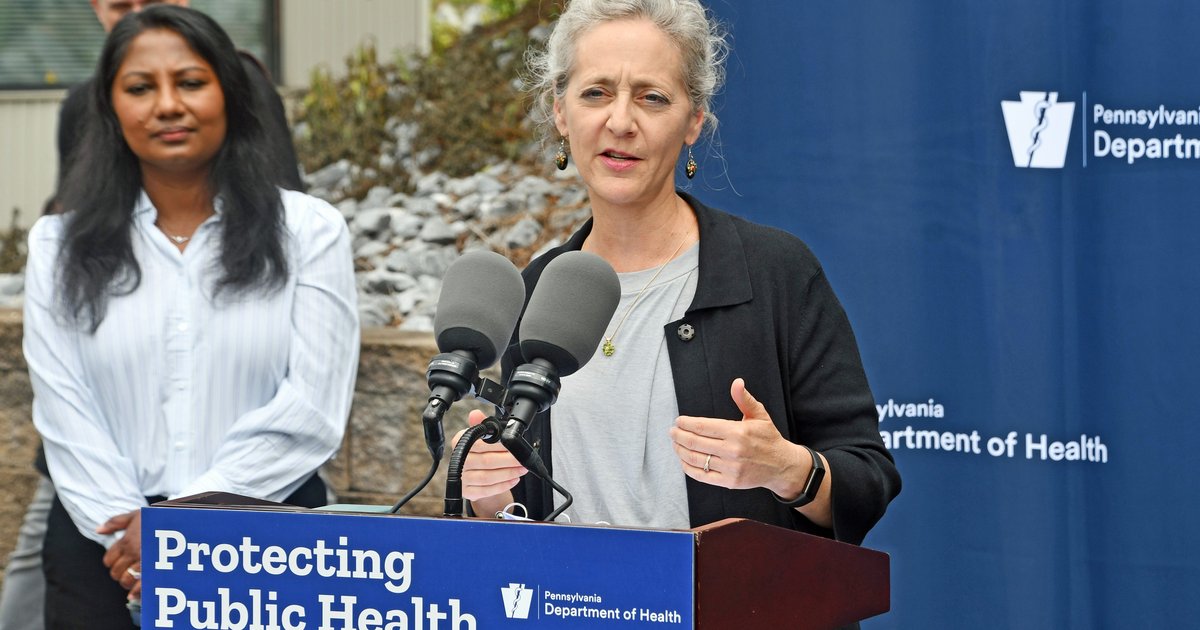
Chikwe Ihekweazu, WHO Emergencies Director, via Reuters
Community deaths are a significant concern; an analysis of the first 400 deaths revealed that roughly 70% occurred outside of treatment centers. WHO Incident Manager Dr. Marie-Roseline Belizaire told CBS News that the continued reporting of community deaths means cases are being missed and the disease is spreading undetected.
Systemic Challenges and Healthcare Strain
The response effort is facing severe logistical and personnel hurdles. Strengthening surveillance is cited as the biggest challenge. To combat this, authorities began training 21,000 community health workers this week to conduct house-to-house visits and identify suspected cases.
Other critical issues include:
- Treatment Capacity: WHO representative in Congo Anne Ancia reported that some treatment centers were 90% full.
- Staffing Shortages: Healthcare workers in Ituri province recently went on strike over salary payment delays. Ancia stated most returned to work as of yesterday, though some dissatisfied groups remain on strike, including those who had been controlling transmission in a displacement camp.
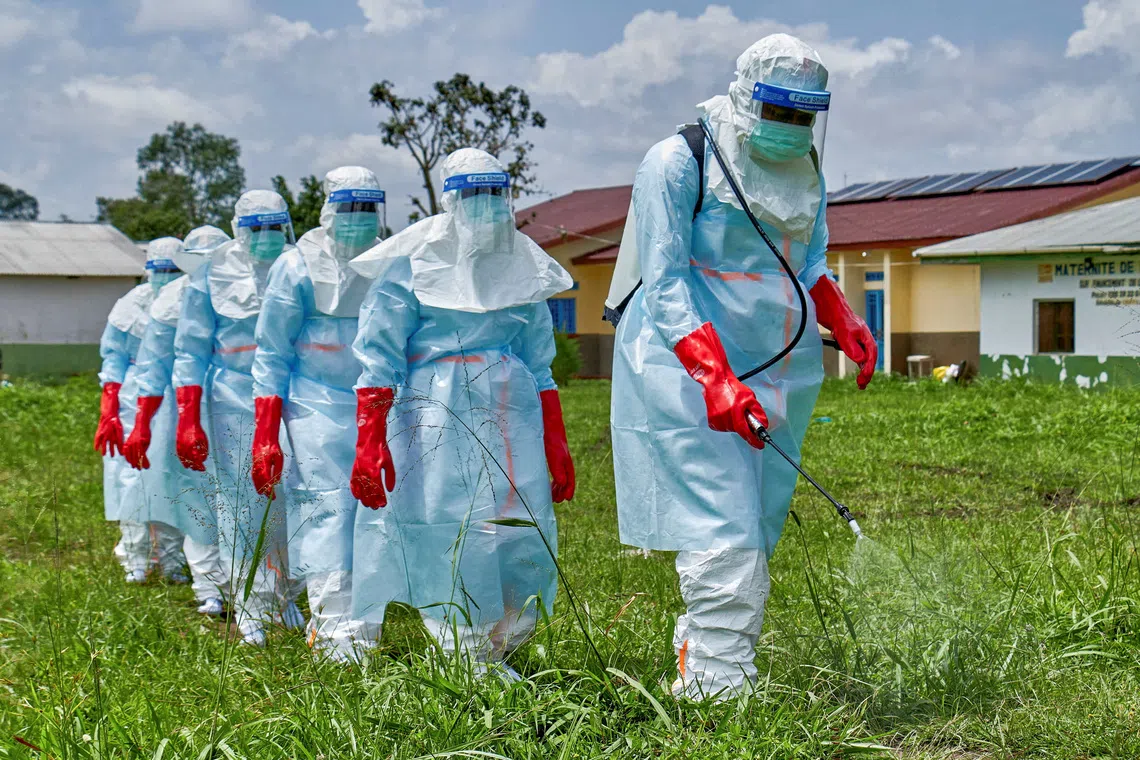
- Equipment Deficits: Some workers lack essential protective gear, such as gloves, boots, and waterproof overalls.
- Patient Migration: In the mining town of Mongbwalu, ill workers are traveling to other regions rather than seeking local treatment, further spreading the virus.
Tracing efforts have also lagged. Congolese health workers report following up with only a little over half of known contacts, leaving about 3,000 possible contacts unaccounted for.
Cross-Border Risks
The virus has spread beyond the epicentre to South Kivu, North Kivu, and Tshopo provinces. It has also crossed into neighboring Uganda. As of June 10, the WHO confirmed at least 19 cases in Uganda, including two deaths. Uganda's National Director of Public Health, Dr. Daniel Kyabayinze, stated that all cases in his country were imported from Congo.
Despite the official closure of the nearly 500-mile border, people continue to move freely across unofficial crossing points. Kyabayinze compared the difficulty of stopping this movement to stopping wind from blowing
due to shared language, culture, and family ties.
While no new cases have been reported in Uganda in 11 days, officials continue to monitor the porous border closely. In Congo, the situation remains unstable; Ancia confirmed that the outbreak is still in the expansion phase
and has not yet stabilized.
How significant is this development?
Participate in our community survey on the trajectory and real-world impact of this news.