Congo Ebola response workers protest that they have not been properly paid
Congo Ebola response workers protest that they have not been properly paid
- Headline Dispatch: Congo Ebola response workers protest that they have not been properly paid
- Core Takeaway: Congo Ebola response workers protest that they have not been properly paid
- Source Synthesis: Continuous live monitoring aggregated across major news wires and independent bureaus.
Congo Ebola Response Workers Protest Unpaid Wages Amid Rising Deaths
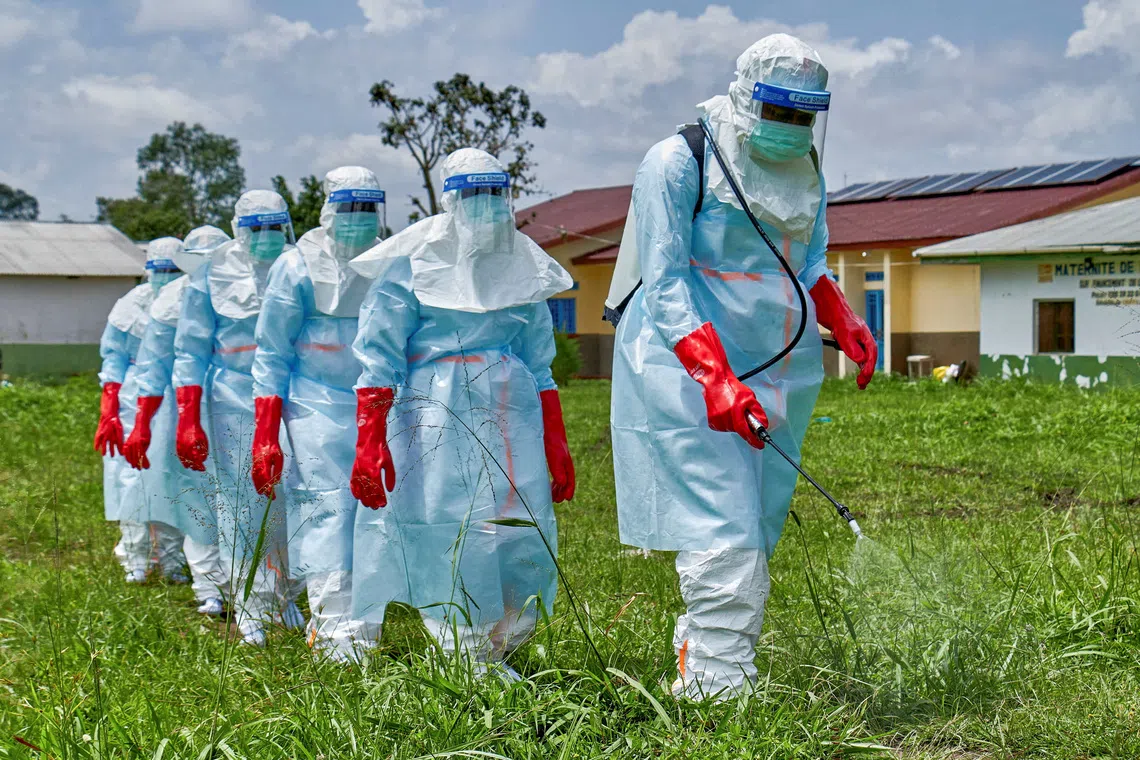
Frontline health workers battling a deadly Ebola outbreak in the northeastern Democratic Republic of Congo have staged protests and threatened strikes, claiming they have not been paid for services rendered since the outbreak began on May 15. The unrest centers on Ituri province, the epicenter of the crisis, where dozens of response team members gathered Thursday outside the Salama, Elikya, and Centre Medical Evangelique (CME) treatment centres in Bunia.
Police dispersed one of the protests outside the CME. Other workers organized a protest Monday outside the Rwampara Ebola treatment center, where they set tires alight, causing brief panic before police intervened. While some health professionals and frontline workers told The Associated Press they have walked off their jobs, a Congolese health official told Reuters that no official strike had begun as of Thursday, though talks with workers are ongoing.
The protests come as the outbreak of the rare Bundibugyo virus continues to spread. According to government data released Wednesday, the outbreak has infected 1,759 people and resulted in 600 confirmed deaths. The World Health Organization (WHO) noted that transmission is continuing of this rare form of Ebola, which has no vaccine or cure and kills 30% to 50% of those infected.
Worker Demands and Grievances
In a letter dated July 5 addressed to health officials and Ituri’s governor, workers stated that the lack of payment has caused significant socio-economic difficulties
and severely impacted their living conditions. Beyond missing wages, the workers have raised several grievances:
- Compensation: Workers argued that current compensation rates are too low for the associated risks and workload. They demanded an increase in daily allowances and the removal of income tax deductions, asserting that these allowances are bonuses rather than salaries.
Dr. Biensi Kano, a member of the epidemiological surveillance committee in Bunia, told The Associated Press,
Adding that the non-payment"Since the Ebola virus disease outbreak was declared, we've been demanding payment for our work,"
Dr. Biensi Kano, via AP
exposes us and our families to significant socio-economic difficulties and seriously undermines our living conditions.
Government Response and Logistical Hurdles
Health Minister Samuel Roger Kamba acknowledged problems with the human resources pillar of the response
while speaking to journalists in Bunia, specifically regarding the accuracy and updating of payment lists.
Akilimali Pierre, incident manager at Congo’s National Institute of Public Health, told The Associated Press that the closure of Bunia airport has hampered the response, particularly the flow of funds, which may account for the payment delays.
How significant is this development?
Participate in our community survey on the trajectory and real-world impact of this news.