DR Congo reports 1,502 confirmed Ebola cases and 473 deaths
Health authorities in the Democratic Republic of the Congo are struggling to contain the largest Bundibugyo Ebola outbreak on record amidst regional insecurity.
- Headline Dispatch: DR Congo reports 1,502 confirmed Ebola cases and 473 deaths
- Core Takeaway: Health authorities in the Democratic Republic of the Congo are struggling to contain the largest Bundibugyo Ebola outbreak on record amidst regional insecurity.
- Source Synthesis: Continuous live monitoring aggregated across major news wires and independent bureaus.
DR Congo reports 1,502 confirmed Ebola cases and 473 deaths
The Democratic Republic of the Congo is facing an intensifying health crisis as confirmed Ebola cases have surged to 1,502. Government data released Friday, confirms the viral outbreak has claimed 473 lives across three major provinces in the eastern region: Ituri, North Kivu, and South Kivu.
According to the latest situation report from public health authorities, 628 patients are currently in hospitalization or isolation, and 229 people have recovered. The crisis extends beyond confirmed cases; 213 suspected cases have been reported, including 63 deaths.
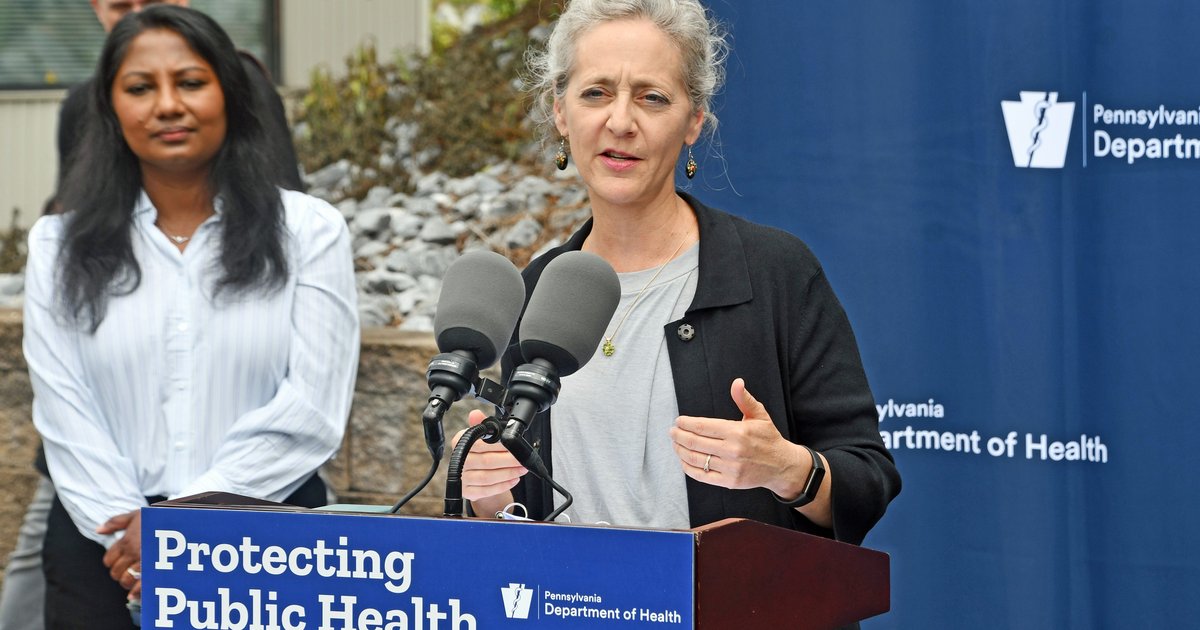
Mohamed Yakub Janabi, the World Health Organization (WHO) Regional Director for Africa, stated during an online media briefing that the situation remains serious. Janabi highlighted that transmission continues in North Kivu and Ituri, and noted that the current outbreak is the largest Bundibugyo Ebola outbreak ever recorded.
Barriers to Containment
Medical teams are working to contain the virus, but the response is hampered by volatile security conditions. Pierre Akilimali, a WHO expert in the DRC, said the outbreak is occurring in areas affected by armed group activities and insecurity, which makes contact tracing and case detection difficult. In Ituri, the risk of transmission is further increased in mining zones due to the frequent movement of people from outside the area.
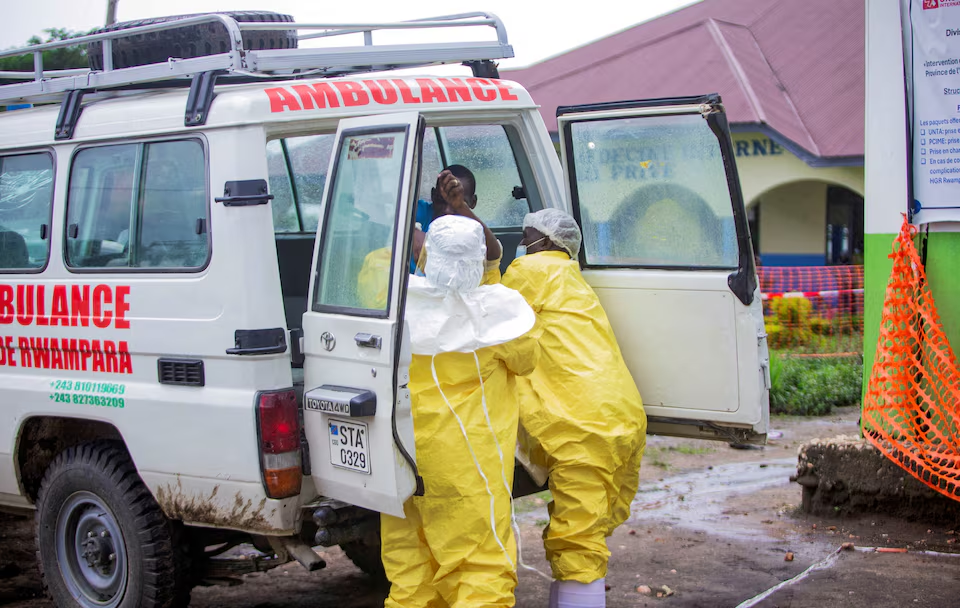
Beyond conflict, health officials cited systemic failures as major obstacles. These include poor infrastructure, a lack of resources, and a fragile healthcare system. Specific complications include inadequate road networks, limited access to reliable electricity, and delays in transporting samples, all of which hinder the timely delivery of test results.
Community dynamics also play a role. Local authorities have urged residents to report symptoms early, but efforts are complicated by deep-seated community mistrust toward international health workers and government authorities. Additionally, there have been significant reductions in foreign aid.
Medical Response and Clinical Trials
The outbreak began in mid-May, though transmission had been going undetected for some time. Because there is currently no approved vaccine or specific treatment for the Bundibugyo virus, the WHO and the DRC Ministry of Health have launched a clinical trial to evaluate potential treatments.
Tedros Adhanom Ghebreyesus, the Director-General of the WHO, announced the enrollment of the first participant in the Platform Adaptive Randomized Trial for New and Repurposed Filovirus Treatments (PARTNERS). This trial will test treatments specifically for the Bundibugyo strain. To support these efforts, 10 laboratories across the DRC are now capable of detecting this strain using three different testing methods.
Doctors describe Ebola as a severe viral disease that spreads through contaminated objects or direct contact with secretions, blood, and bodily fluids of an infected person. Symptoms typically begin with a sore throat, severe weakness, muscle pain, headache, and sudden fever, later progressing to diarrhea and vomiting. In severe instances, the disease leads to external and internal bleeding.
Cross-Border Surveillance
The virus has reached neighboring Uganda, where Benjamin Sensasi, a WHO expert, reported 20 confirmed cases as of Thursday. Of those, 15 were imported infections. The remaining five locally infected individuals were detected while in quarantine, and health officials say no community transmission has been detected in Uganda.
To manage the risk, the DRC and Uganda have signed a memorandum of understanding to establish a joint cross-border response mechanism. This agreement allows the two nations to share surveillance information and strengthen treatment and screening capacities in border areas.
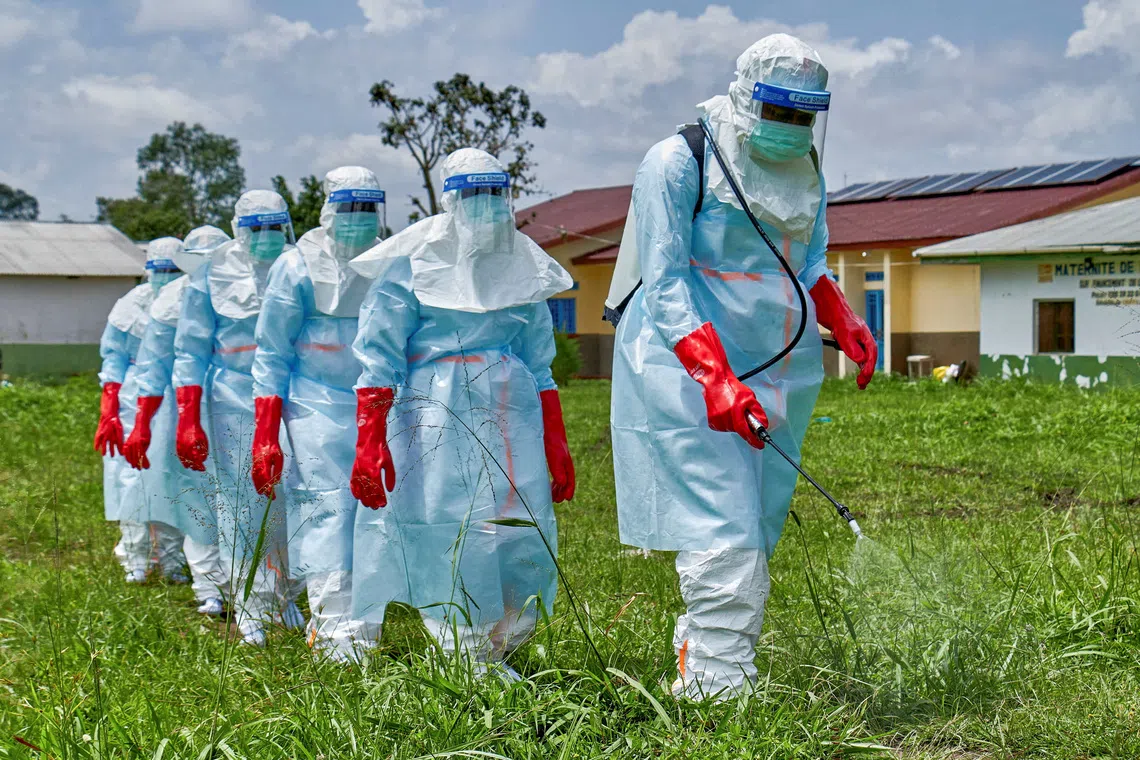
Health experts continue to urge the public to seek immediate medical attention for symptoms and to follow preventive measures, such as observing safe burial practices, washing hands regularly, and using protective equipment when caring for patients.
How significant is this development?
Participate in our community survey on the trajectory and real-world impact of this news.