Breakthrough for aquaculture: Oral vaccine protects fish from fatal nervous necrosis virus
Researchers from NUS and Temasek Life Sciences Laboratory developed an oral vaccine to protect farmed fish from the fatal nervous necrosis virus.
- Headline Dispatch: Breakthrough for aquaculture: Oral vaccine protects fish from fatal nervous necrosis virus
- Core Takeaway: Researchers from NUS and Temasek Life Sciences Laboratory developed an oral vaccine to protect farmed fish from the fatal nervous necrosis virus.
- Source Synthesis: Continuous live monitoring aggregated across major news wires and independent bureaus.
Breakthrough for aquaculture: Oral vaccine protects fish from fatal nervous necrosis virus
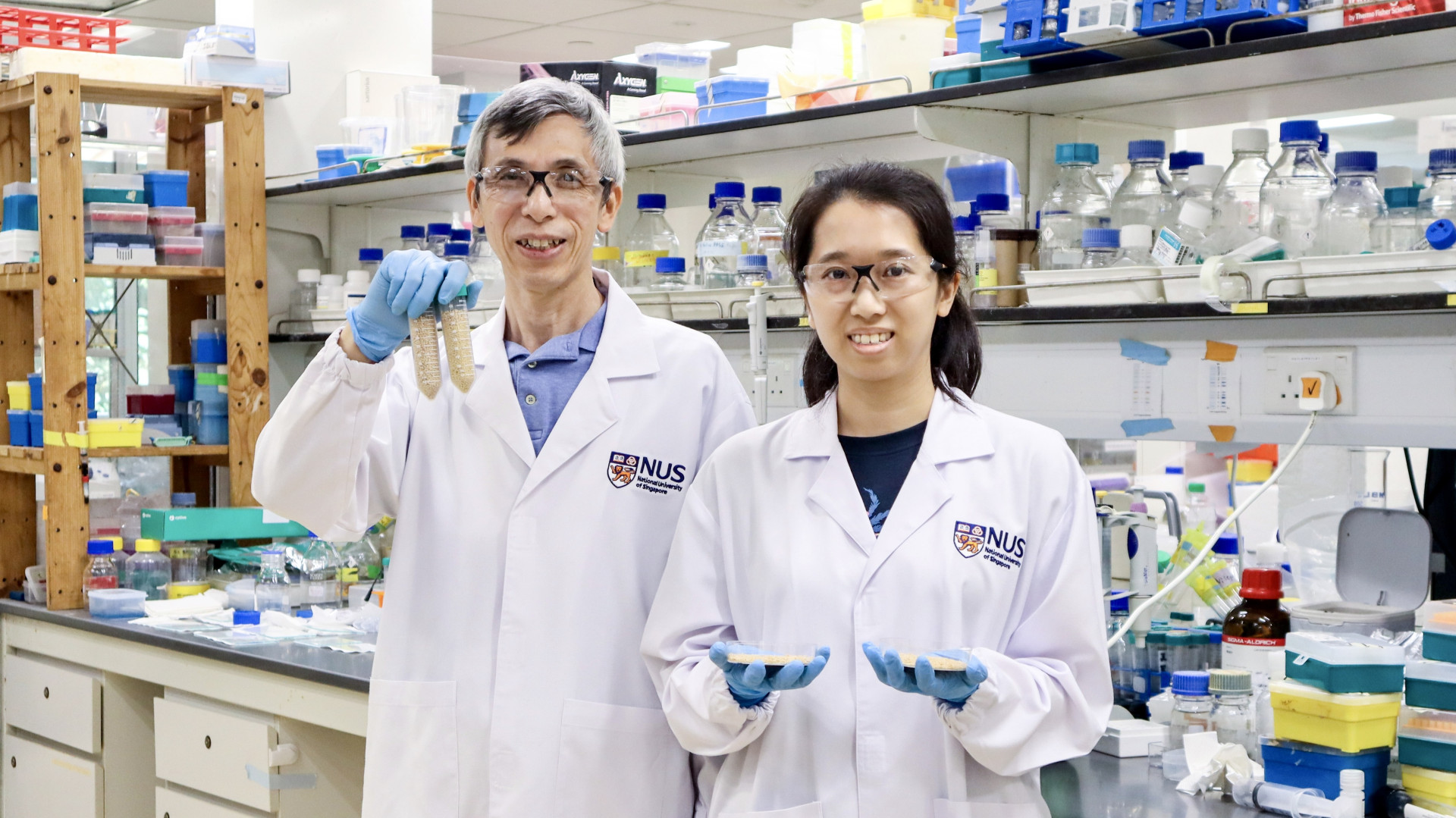
Researchers from the National University of Singapore (NUS) and the Temasek Life Sciences Laboratory have developed a novel oral vaccine to protect farmed fish from the nervous necrosis virus (NNV). The vaccine, which can be mixed directly into fish feed, provides a practical alternative to traditional injection methods that are often impractical for large-scale use and unsuitable for small fish larvae and fingerlings.
The study, which began in 2021, was led by Professor Yang Daiwen from the Department of Biological Sciences at the NUS Faculty of Science. Findings were published in the journal Fish & Shellfish Immunology on 5 January 2026.
NNV targets the nervous system of fish and is recognized as a major threat to the aquaculture industry globally. While the virus is not currently a major issue in Singapore, it remains a significant problem in the Mediterranean and China. The virus is highly contagious and has been reported in dozens of marine fish species worldwide, often disappearing only to re-emerge quickly.
The disease is most lethal during the larval and juvenile stages. According to Prof Yang, the disease has a near 100 per cent mortality rate in the larval stage
, and even those that survive suffer from reduced growth.
"At present, there are no simple and effective treatments available for NNV infection, making prevention through vaccination the most promising strategy. Our novel discovery of a viable and effective delivery system to transport virus-like particles to enable fish to resist the effects of NNV addresses this pertinent issue,"
Prof Yang, Department of Biological Sciences at the NUS Faculty of Science, via news.nus.edu.sg
Biological Design and Delivery
The vaccine utilizes two primary biological components to immunize the fish. First, the researchers created Virus-Like Particles (VLPs) using the NNV capsid protein, or outer shell. These particles are hollow and non-infectious because they lack genetic material, meaning they cannot cause disease, but they look identical to NNV and trigger an immune response.
To ensure the VLPs reach the fish's immune system without being destroyed by the acidic environment of the stomach, the team used Lactococcus lactis, a safe bacterium, as a protective capsule. After testing live and heat-treated versions of the bacteria, the team found that inactivating the bacteria with sodium hypochlorite preserved the structure and solubility of the VLPs, allowing them to be delivered effectively to the gut and subsequently the bloodstream.
Performance and Results
Laboratory evaluations on Asian seabass (also known as barramundi) and grouper showed the oral vaccine outperformed the direct feeding of purified VLPs, which is a more expensive method. Specifically, the oral vaccine induced two-times the levels of antibodies and neutralising antibodies.
The vaccine also demonstrated a significant impact on viral replication. Following seven days of exposure to NNV, the vaccine reduced brain viral load by about 300 times.
In trial results for specific species:
- Asian seabass: At least three trials showed the vaccine suppressed viral dissemination and replication while inducing neutralising antibodies.
- Grouper: A study showed survival rates for vaccinated fish rose to about 95 per cent, compared with 60 per cent for unvaccinated fish.
Prof Yang noted that one limitation of the oral vaccine is that it requires a higher dose and is less effective than injectable vaccines.
Industry Impact and Next Steps
The oral vaccine is applicable to economically important species, including European seabass, Asian seabass, and grouper. Because these species are farmed in Singapore, the development could improve overall production efficiency by saving fish during the nursery stage.
The research team has filed three patents for the technology. Moving forward, the team plans to collaborate with industrial partners to conduct field trials on grouper and other fish species. Additionally, the researchers hope to develop a similar oral vaccination for the scale drop disease virus, which causes skin lesions and scale loss in yellowfin sea bream and Asian seabass.
How significant is this development?
Participate in our community survey on the trajectory and real-world impact of this news.