Ovaries Show Major Signs of Aging Before Menopause, Mouse Study Finds
Recent research suggests ovarian aging is driven by a loss of cellular coordination and inflammatory signals rather than just the depletion of egg reserves. Scientists are now investigating these molecular mechanisms to better understand how they affect overall endocrine health.
- Headline Dispatch: Ovaries Show Major Signs of Aging Before Menopause, Mouse Study Finds
- Core Takeaway: Recent research suggests ovarian aging is driven by a loss of cellular coordination and inflammatory signals rather than just the depletion of egg reserves. Scientists are now investigating these molecular mechanisms to better understand how they affect overall endocrine health.
- Source Synthesis: Continuous live monitoring aggregated across major news wires and independent bureaus.
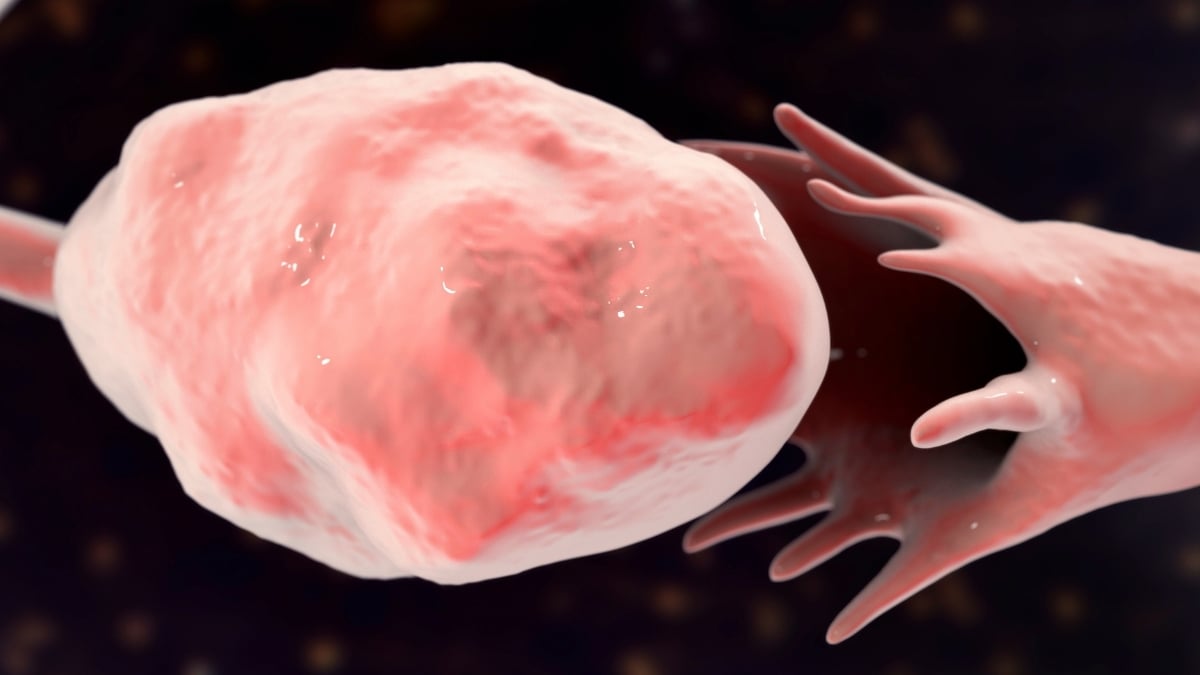
The biological understanding of female reproductive aging is undergoing a shift as new research indicates that the ovaries experience significant degradation long before the onset of menopause. Traditionally, clinical focus has centered on the depletion of the ovarian follicle reserve—the finite supply of eggs available to a person. However, recent studies suggest that the decline of the ovary as a vital endocrine organ is driven by a complex, progressive breakdown of the entire cellular ecosystem within the tissue.
Findings published in Nature Aging, led by researchers at The Broad Institute of MIT and Harvard, demonstrate that the ovary functions as a critical site for the production of hormones including estrogen, progesterone, inhibin, and testosterone. According to cardiovascular researcher Hattie Chung, a senior author on the study, the evidence suggests that the environment surrounding these eggs changes significantly with age. At the menopause transition, humans typically still have about 1,000 eggs remaining,
Chung noted. That suggests it's not just the eggs themselves, but also the surrounding ecosystem that changes with age.
To map these changes, investigators analyzed mouse ovaries across various ages and reproductive stages. By profiling the interactions between oocytes, follicles, and corpora lutea, the team observed that the tissue begins to degenerate well before menopause. Cells that once operated in synchronized coordination to manage ovulation and tissue remodeling fell out of sync. Researchers reported an increase in inflammatory signals and a general disorganization of the tissue structure, leading them to characterize reproductive aging as a progressive loss of coordination rather than a singular event of follicle depletion.
Complementary research published in PLOS Biology by investigators at Northwestern University Feinberg School of Medicine identified specific molecular mechanisms contributing to this decline. The study highlighted the emergence of multinucleated giant cells (MNGCs) in aging ovaries, which are derived from macrophages. While these cells are typically associated with chronic inflammation, their presence in the ovary appears to be a compensatory response to the accumulation of cellular debris—remnants of follicles that failed to ovulate or tissue left behind after ovulation. Lead author Aubrey Converse, a research assistant professor of Obstetrics and Gynecology, noted that while these cells may initially attempt to maintain homeostasis, their unique immune profile may eventually cause detrimental consequences to the surrounding tissue.
Further examination using single-cell RNA sequencing and ATAC-seq, detailed in a study published in June 2025, identified specific transcriptional alterations within seven major ovarian cell types. This research linked the activation of TGF-beta signaling in mesenchymal cells to ovarian fibrosis and identified endoplasmic reticulum stress in granulosa cells as a potential driver of apoptosis. These findings highlight that aging is not a uniform process but rather one driven by cell-type-specific molecular mechanisms.
This evolving view of the ovary has significant clinical implications. Understanding these cellular shifts may refine patient care for individuals undergoing oophorectomy, a procedure often performed to address cancer, endometriosis, or as a form of gender affirmation. By moving beyond a focus solely on fertility, physicians may eventually gain the ability to provide more precise health management for those facing both natural ovarian aging and surgical intervention.
The research teams are now looking to validate these findings in human tissues. Chung’s group at The Broad Institute has initiated a collaboration with researchers at Yale to collect human ovarian specimens. As scientists continue to define these cellular pathways, the goal is to develop diagnostic biomarkers and potential interventions that could preserve ovarian function and improve overall health outcomes.
How significant is this development?
Participate in our community survey on the trajectory and real-world impact of this news.