WHO expects cruise ship hantavirus outbreak to end July 2
The WHO expects a deadly hantavirus outbreak aboard the MV Hondius to be declared over on July 2. The outbreak triggered a response across 33 countries.
WHO expects cruise ship hantavirus outbreak to end July 2
The World Health Organization (WHO) announced Wednesday that a deadly hantavirus outbreak aboard a cruise ship is expected to be formally declared over on July 2, provided no further cases are reported. The outbreak triggered an international health alert and a coordinated response across 33 countries and territories.
WHO chief Tedros Adhanom Ghebreyesus stated that health authorities identified and followed up with more than 650 contacts. While most have finished their quarantine, 54 contacts remain under observation.
"All but 54 contacts have completed their period of quarantine, and the remaining contacts are scheduled to complete their quarantine period by July 2,"
Tedros Adhanom Ghebreyesus, WHO chief, via WHO press conference
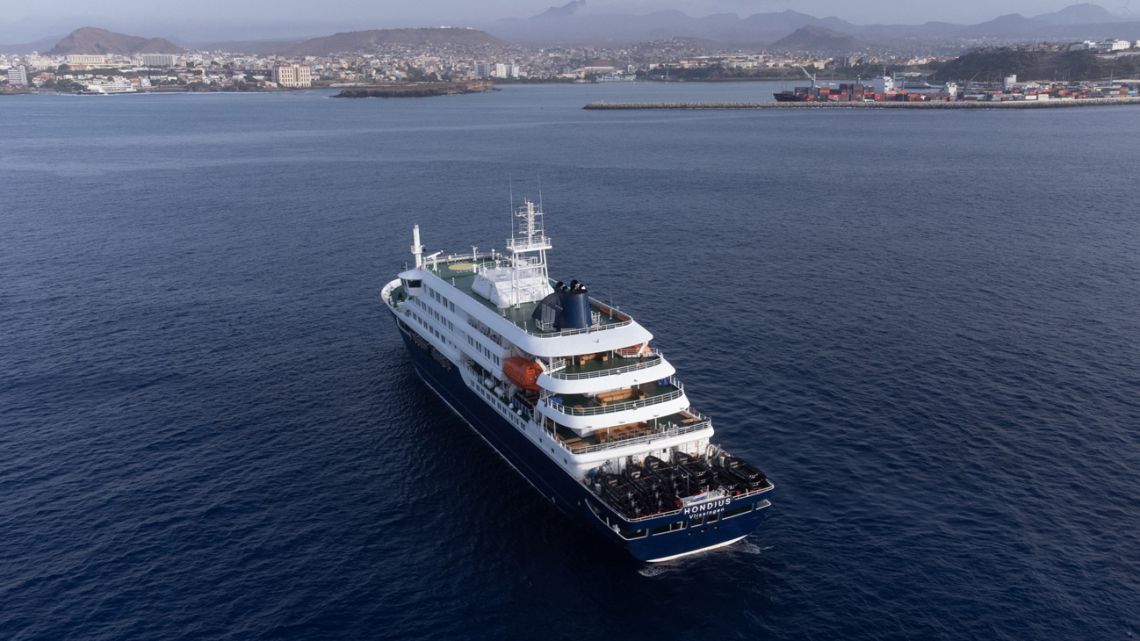
The outbreak centered on the MV Hondius, a Dutch-flagged polar exploration ship. The vessel departed from Ushuaia, Argentina, on April 1, visiting remote South Atlantic islands including Tristan da Cunha before traveling north to Tenerife in the Canary Islands for passenger evacuation. The ship eventually docked in Rotterdam harbor in the Netherlands on May 18.
Case Details and Transmission
There were 12 confirmed cases and one probable case linked to the MV Hondius, resulting in three deaths. According to the WHO, the Andes species of hantavirus caused the outbreak. This specific strain is the only hantavirus known to be capable of jumping from human to human.
The WHO's working hypothesis is that the first case—an adult male who boarded on April 1 after traveling in Uruguay, Chile, and Argentina—acquired the infection through environmental exposure in Argentina. He developed symptoms on April 6 and died onboard on April 11. Evidence suggests subsequent human-to-human transmission occurred on the ship due to the timing of symptom onset and epidemiological links to the first patient.
The victims and patients included:
- Case 2: An adult female and close contact of Case 1 who died on April 26 in a Johannesburg clinic after her condition deteriorated during a flight from Saint Helena.
- Case 3: An adult male evacuated from Ascension Island on April 27; he was treated in an intensive care unit (ICU) in Johannesburg.
- Case 4: An adult female who died on May 2 after presenting with pneumonia.
- Case 5: The ship's doctor, who developed symptoms on April 30 and was evacuated to the Netherlands on May 6.
- Case 6: A ship guide who developed symptoms on April 27 and was evacuated to the Netherlands on May 7.
- Case 7: An adult male who disembarked in St Helena on April 22 and fell ill after arriving in Switzerland on April 28.
- Case 8: An adult male who disembarked in Tristan da Cunha on April 14 and is currently a probable case.
International Response and Local Impact
The outbreak required specialized interventions in some of the world's most isolated areas. On the British island of Tristan da Cunha, which has a population of 220, a British Army specialist team parachuted onto the island to deliver emergency supplies and medical care after a resident who had disembarked from the MV Hondius became ill. Residents of the island held a party on Saturday to celebrate the end of the threat after the final group finished quarantine.
Medical evacuations were coordinated from Cabo Verde to the Netherlands on May 6 and May 7. As of May 8, patients were hospitalized in Zurich, Johannesburg, and the Netherlands.
Scientific Implications
Hantaviruses are typically spread by rodents, and no vaccines or specific treatments exist for the virus. Hantavirus pulmonary syndrome (HPS) is characterized by early symptoms such as fever, chills, and gastrointestinal pain, followed by sudden respiratory distress. In the Americas, the case fatality rate for hantavirus infections can reach up to 50%.
While the quarantine period ends for passengers soon, the WHO says scientific work is in the early stages. The agency is coordinating a study of those exposed and working with partners who collected environmental samples from the ship.
"We are also working on having a sample of the virus shared with the WHO BioHub in Switzerland,"
Tedros Adhanom Ghebreyesus, WHO chief, via WHO press conference
According to Ghebreyesus, this sharing is essential for the development of future therapeutics, diagnostics, and vaccines.