Concerns Mount Over Pet Grooming Safety Following Incidents in Singapore
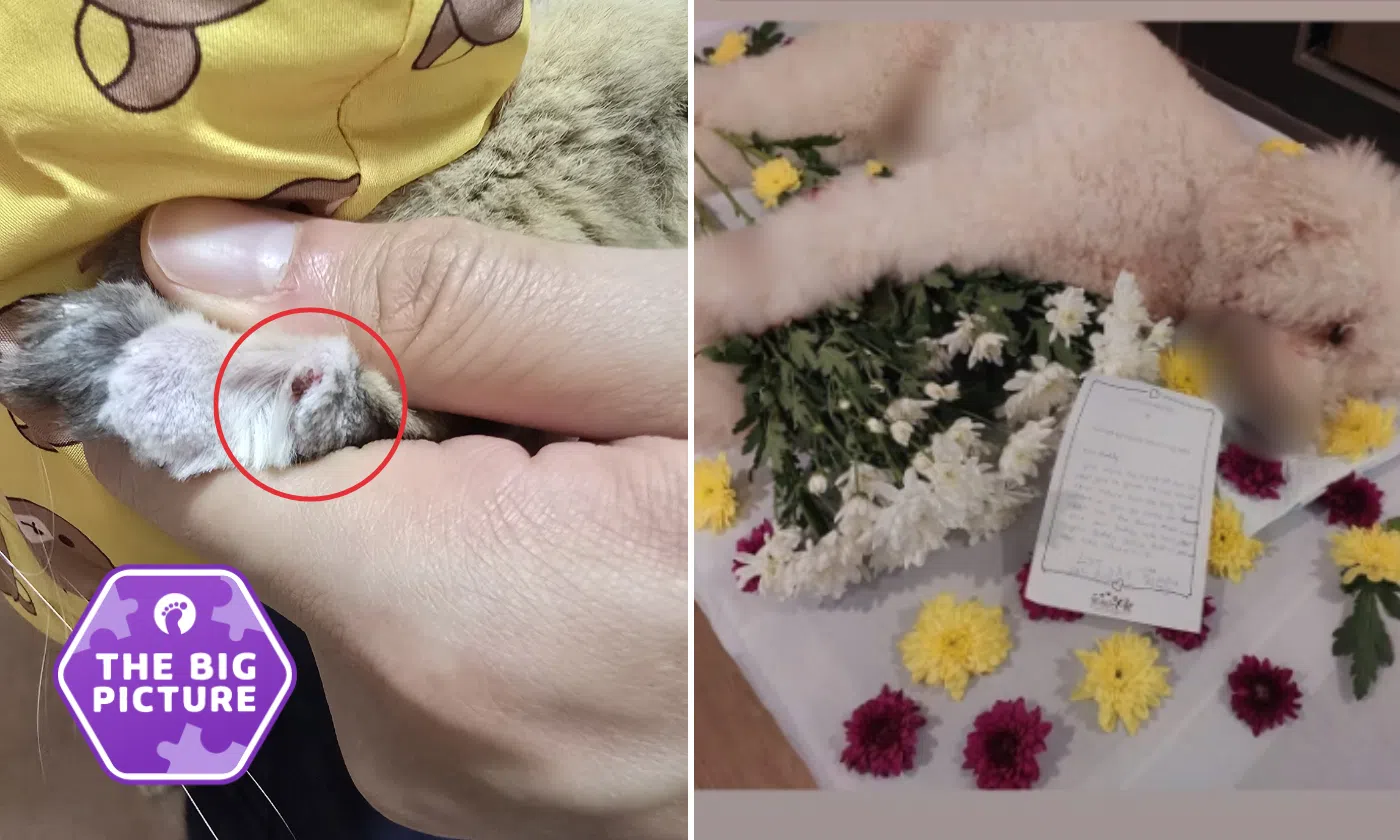
Singaporean pet owners are increasingly vocal about safety standards in the pet grooming industry, following a series of incidents including the death of a poodle named Buddy and a cat sustaining injuries during routine grooming. These events have reignited calls for stricter regulations and mandatory licensing for grooming establishments.
Stacey, a pet owner who withheld her full name, reported that her cat, Bella, suffered pus, bleeding, and cuts to her nails after a grooming session last year. Stacey detailed how, nearly two hours into the grooming appointment, she received a message from the salon owner indicating pus in one of Bella’s nails. Upon retrieving Bella, Stacey immediately took her to a veterinarian. The vet reportedly informed her that nearly all of Bella’s nails had been clipped too short, leading to bleeding, which Stacey attributed to “improper handling or lack of skill.”
The grooming salon, established in 2018, disputed Stacey’s claims in a public response, stating that the veterinary clinic “did not state, mention nor confirm” that Bella’s injuries were a result of “excessive trimming” and that the vet could not determine the definitive cause. Bella has since recovered from her injuries.
High-Profile Incidents Stoke Public Outcry
The death of Buddy, a poodle sent for grooming at Pawsome Singapore in October, has amplified public anxieties. Tanya Dhillon, Buddy’s owner, publicly accused Pawsome Singapore, sparking a wider discussion about animal welfare and the absence of licensing regulations for pet grooming centres. Following Dhillon’s allegations, another pet owner came forward with claims that her pug was injured at a boarding facility operated by the same company.
Pawsome Singapore released a statement expressing sorrow over the “truly sad” incident and confirmed its cooperation with local authorities investigating Buddy’s death. The company’s main Instagram page appeared deactivated, while its Facebook page, which continued to post updates on puppies for sale, attracted numerous comments from netizens demanding answers about Buddy’s demise.
Ms. Dhillon has since made an open call on her Instagram for other pet owners with negative grooming experiences to share their stories. She plans to meet with Member of Parliament Jessica Tan to highlight a “long-standing pattern of animal harm” and the “gap between harm and justice.” Several Instagram users have already been directed to her, indicating a community of pet owners with similar concerns.
Causes for Animals Singapore (CAS), an animal welfare charity, has noted “a gradual increase in public complaints and feedback relating to pet grooming services in Singapore.” These complaints frequently cite issues such as rough handling, inadequate restraint techniques, and a lack of understanding of animal behavior among grooming staff.
Expert Perspectives on Safety and Handling
Michelle Foo, Principal and Chief Instructor of Supergroomers Pets Academy, suggested that many reported safety issues stem from “gaps” in companies’ safety protocols. She emphasized the “fundamental principle” of having an attending staff member present whenever a pet is on the premises, citing past incidents such as a corgi that died after hanging on its leash in 2024 and a Maltese that suffered a similar fate in 2023 when its groomer was absent. Supergroomers Pets Academy offers comprehensive training and internationally recognized certification for aspiring groomers, requiring a minimum of a 420-hour course.
Jen Toh, founder and managing director of operations at PetPat, a cat grooming service, underscored the importance of understanding and respecting each pet’s individual personality. She prefers the term “defensive” over “aggressive” to describe anxious cats and stated that her team “never force restrain” cats, instead using soothing communication and treats to make them feel secure.
Pet Lovers Centre (PLC), another major industry player, highlighted its commitment to grooming pets in their “natural state,” utilizing body-support leashes to prevent falls and closely monitoring dryer use to avoid overheating. A PLC spokesperson confirmed that the company “do[es] not practise sedation for grooming.”
Both Ms. Foo and Ms. Toh, along with PLC, stressed the importance of regular refresher courses to keep groomers updated on best practices and emerging trends.
Calls for Regulation and Licensing
Despite the growing concerns, Jessica Kwok, Group Director for Industry Standards & Regulatory at the Animal & Veterinary Service (AVS), confirmed that a licensing regime exists for veterinarians, pet shops, farms, boarders, and breeders, but not for pet groomers. AVS considers these licensed businesses to pose “higher levels of risk for animal health and welfare.” While all animal-related businesses are governed by the Animals and Birds Act and expected to uphold high welfare standards, pet grooming facilities currently fall under the “Code of Animal Welfare (for the Pet Industry),” which sets minimum standards. Non-compliance with this Code can be used as evidence for enforcement action.
Animal welfare organizations argue that these guidelines are insufficient. The Society for the Prevention of Cruelty to Animals (SPCA) stated that the “lack of licensing for pet groomers and trainers constitutes a critical gap that is dependent on the practice of the individual handling the animal, sometimes placing the animal in a vulnerable situation.” In collaboration with the Animal Concerns Research and Education Society (ACRES), the SPCA has published a White Paper advocating for mandatory licensing conditions for pet groomers and trainers.
CAS echoed these calls, urging authorities to implement greater regulation and oversight by NParks, establish a centralized complaint and response system, and make groomer certification mandatory. This push for regulation mirrors similar efforts in other countries to enhance animal welfare protections in commercial settings, as seen in various reports from animal welfare organizations globally.
Empowering Pet Owners: Individual Actions
While legislative changes may take time, individual pet owners can take steps to ensure their pets’ safety. Lim, a student who preferred not to be fully named, shared her increased caution after her dog, Konbu, developed scabs following a grooming session. She now meticulously reads reviews across “multiple platforms” and seeks recommendations to feel more “assured.”
Ms. Toh of PetPat advises pet owners to thoroughly research salons, examining groomers’ certificates, educational qualifications, and the business’s operational history. She maintains that “proper professional grooming” remains crucial for pets’ well-being, despite potential trust issues, as owners may lack the knowledge for adequate home grooming.
Ultimately, ensuring pet safety is a “shared responsibility,” according to PLC. Groomers must continuously enhance their skills and adhere to stringent protocols, while pet owners should provide accurate information regarding their pet’s health, temperament, and behavioral triggers. Industry bodies and authorities are encouraged to support these efforts through “clear guidelines and avenues for standardisation.” Ms. Kwok of AVS emphasized the public’s role in encouraging higher standards by patronizing responsible businesses and reporting errant operators to AVS for investigation.
