Nature Society Proposes Green Spaces Retention Amid Paya Lebar Air Base Redevelopment
SINGAPORE – The Nature Society Singapore (NSS) has submitted a proposal advocating for the retention of nearly one-third of the vegetation surrounding Paya Lebar Air Base as green spaces. This initiative comes as the area prepares for redevelopment slated to commence in the 2030s. According to a report seen by The Straits Times, the NSS’s plan outlines the preservation of approximately 389 hectares of land, encompassing forests, parklands, and water bodies, which play a vital role in maintaining biodiversity.
The Urban Redevelopment Authority (URA) confirmed receipt of the NSS proposal and stated it would evaluate the recommendations while taking into account broader development plans for the area.
Scope of the Redevelopment
The redevelopment project is expected to cover an area of 1,271 hectares, a size marginally larger than Woodlands. NSS emphasizes that out of this, 805 hectares are critical for biodiversity, essential for sustaining various flora and fauna. Tony O’Dempsey, a spokesman for NSS, highlighted the environmental significance of preserving this space, describing it as one of the last remaining “wild growth areas” in north-east Singapore.
NSS argues that the anticipated loss of approximately 805 hectares to redevelopment will have significant ecological implications. The report mentions, “The anticipated loss of some 805 hectares of viable habitat… calls for mitigation measures that maintain some of the original wild growth habitat and provide connectivity throughout the area.” Connectivity is crucial for wildlife, enabling animals to traverse between habitats in search of food and resources.
Ecological Significance of the Area
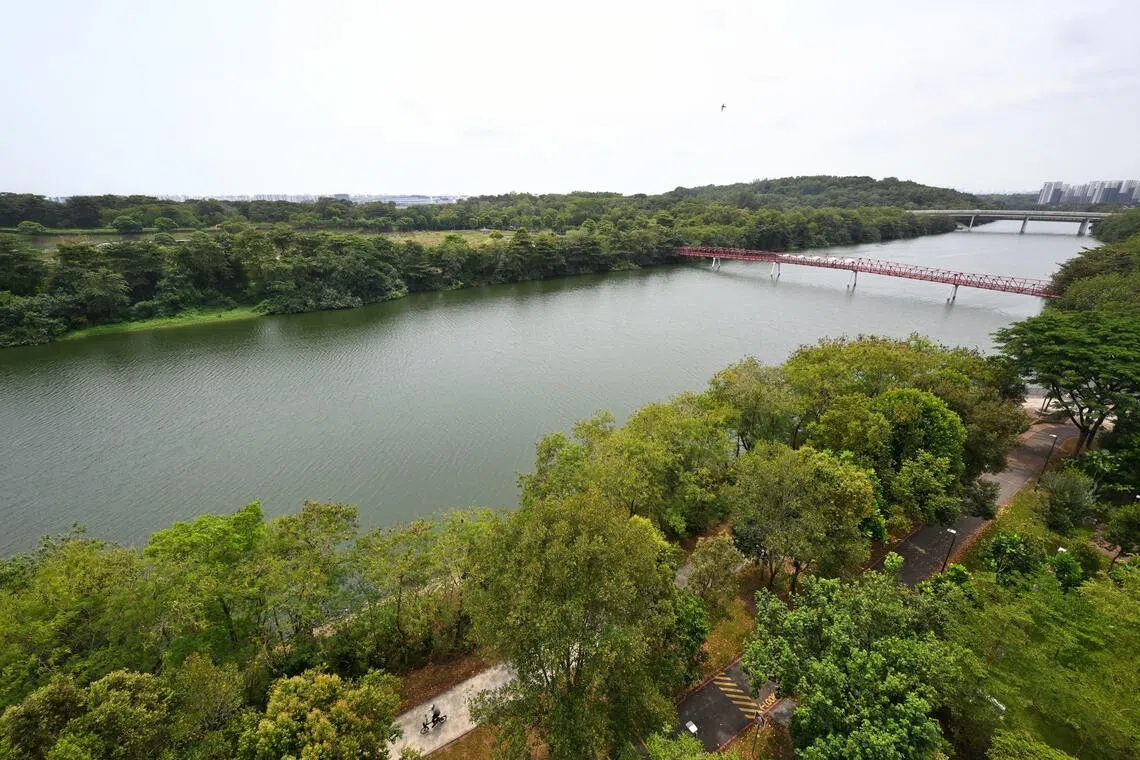
According to NSS, the green patches within the airbase and adjacent vegetated zones, extending from Tampines Road to Coney Island and Bedok Reservoir Park, serve as essential habitats and ecological corridors for native wildlife. The biodiversity in the area includes habitats linked to the Paya Lebar Air Base, the Serangoon Reservoir, and the Tampines Quarry woodland.
The URA spokesperson mentioned that they would analyze NSS’s proposals for both Sungei Serangoon and Paya Lebar Air Base as part of their upcoming studies, which aim to refine development plans in light of public feedback and environmental assessments.
Environmental Impact Studies Needed
Mr. O’Dempsey expressed that while the NSS acknowledges the necessity of residential and industrial developments, the complete eradication of the area without environmental consideration would result in considerable ecological harm. “If you were to completely wipe out this whole area without any consideration for the environment, then you are doing a lot of ecological damage,” he stated.
NSS’s surveys have identified 193 species of birds in the area, with 60 of these considered at risk for conservation. Among the notable species are the great knot and the critically endangered straw-headed bulbul, emphasizing the area’s rich biodiversity. The species diversity also extends beyond avifauna to include various reptiles and mammals such as the striped bronzeback and wild boar.
Future Development Plans
The conceptual plan for the future town at Paya Lebar Air Base reveals potential green connectors, but Mr. O’Dempsey pointed out that these do not adequately integrate with existing vegetated areas. He stressed the importance of conducting an environmental impact study across the entire redevelopment zone to ensure ecological integrity is maintained.
Recent discussions in Parliament have underscored the scrutiny surrounding the redevelopment. MP Dennis Tan raised concerns regarding the clearance of vegetation for infrastructure development without conducting proper environmental studies. In response, Minister of State for National Development Alvin Tan indicated that government agencies are reviewing plans to enhance vegetative spaces along the eastern bank of the Serangoon River.
Conclusion
The URA reassured the public that it will carefully evaluate potential environmental impacts and conduct further studies whenever necessary. A spokesperson mentioned, “We continue to welcome the public to share their feedback on future developments and will work closely with stakeholders to incorporate environmental considerations while ensuring that the future town supports the diverse needs of our city-state and communities.”
