Lindsay Clancy jury to keep deliberating but there’s growing risk of a mistrial
A Plymouth County jury is struggling to reach a verdict in the trial of former nurse Lindsay Clancy, who is accused of killing her three children.
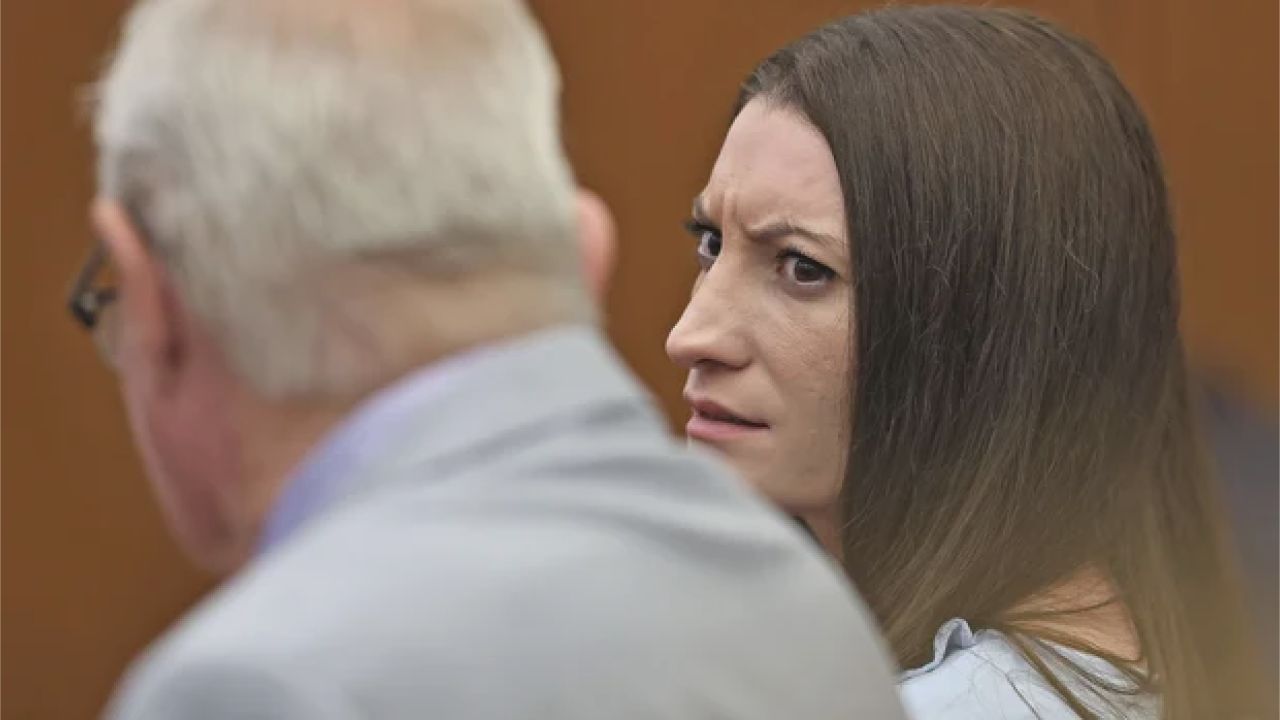
The jury in the murder trial of Lindsay Clancy returned to the Plymouth County courthouse on Thursday, September 3, 2026, for what may be their final day of deliberations. The 12 jurors and six alternates are weighing whether the former labor and delivery nurse is criminally responsible for the 2023 deaths of her three children: Cora, Dawson, and Callan Clancy, who were ages 5, 3, and 8 months.
The proceedings reached a critical juncture Wednesday after the jury informed Plymouth Superior Court Judge William Sullivan for a second consecutive day that they remained deadlocked and unable to reach a unanimous verdict. In response, Sullivan delivered a Tuey-Rodriguez instruction
, a legal charge intended to help jurors break through an impasse. This instruction urges jurors to seriously consider opposing views and reassess their positions without abandoning their own sincere convictions.
"There is no reason to suppose that the case will ever be submitted to 12 persons more intelligent, more impartial, or more competent to decide it, that more or clearer evidence will be produced,"
Judge William Sullivan, via Yahoo
Legal expert Elise Hershon told Boston 25 that this specific instruction is generally viewed as one of the last tools a judge can use before concluding that a jury is hopelessly deadlocked. If the panel remains unable to agree, Judge Sullivan could declare a mistrial. Such a result would return the case to its previous status, with Clancy charged with murder and held at a psychiatric hospital. Prosecutors would then face a decision: initiate a second trial with a new jury, drop the charges, or negotiate a plea deal.
Defense attorney Kevin Reddington indicated he is prepared for the possibility of a second trial. Carrying a box of support letters for Clancy from around the world into the courthouse on Thursday, Reddington stated, I’ve got witnesses lined up. We’re all set. So let’s go.
The core of the legal battle centers on Clancy's mental state during the killings in January 2023. Clancy does not deny strangling her children with exercise bands in their basement before jumping from a second-story window, an act that left her paralyzed from the waist down. Reddington argues that severe, untreated postpartum psychosis rendered Clancy unable to control her actions, claiming she heard a voice telling her to kill the children so she could end her own life.
Prosecutors acknowledge that Clancy struggled with significant mental health issues but contend she understood her actions and knew they were wrong. To support this, prosecutors argue she deliberately sent her then-husband on errands to ensure he was out of the house. They have also questioned the seriousness of her suicide attempt. Patrick Clancy, her ex-husband, has stated in interviews that he forgives her and views her as ill rather than evil.
The jury has spent five days deliberating after hearing weeks of testimony from medical professionals and relatives. While the prosecution and defense hired medical experts, those professionals reached sharply different conclusions regarding Clancy's psychiatric state. The potential outcomes for the defendant are stark: a murder conviction could result in a life sentence, while a not-guilty verdict could lead to continued confinement in a mental health facility if an evaluation finds she poses a public danger.
The trial has drawn international attention and sparked public debate over maternal mental health. On Thursday, about 20 spectators, some wearing pink shirts in support of Clancy, gathered at the courthouse. The proceedings have not been without tension; on Wednesday, 56-year-old Dawn Light, a retired nurse and Clancy supporter, was arraigned on an intimidation charge. Authorities allege Light filmed jurors leaving the courthouse. Light entered a not-guilty plea and was ordered to stay away from the court, witnesses, and jurors.
The arrest of Light prompted Judge Sullivan to ask jurors on Wednesday if they had seen anything that would affect their impartiality. The jurors responded that they had not before returning to their deliberations.
The outcome of the case now depends on whether the jury can resolve their deadlock.