Pakistan Says US-Iran Are Close to Some Arrangement on Peace
Pakistan's Defense Minister suggests a peace arrangement between Washington and Tehran is close, amid ongoing disputes over reparations and the Strait of Hormuz.
- Headline Dispatch: Pakistan Says US-Iran Are Close to Some Arrangement on Peace
- Core Takeaway: Pakistan's Defense Minister suggests a peace arrangement between Washington and Tehran is close, amid ongoing disputes over reparations and the Strait of Hormuz.
- Source Synthesis: Continuous live monitoring aggregated across major news wires and independent bureaus.
Pakistan Says US-Iran Are Close to Some Arrangement on Peace
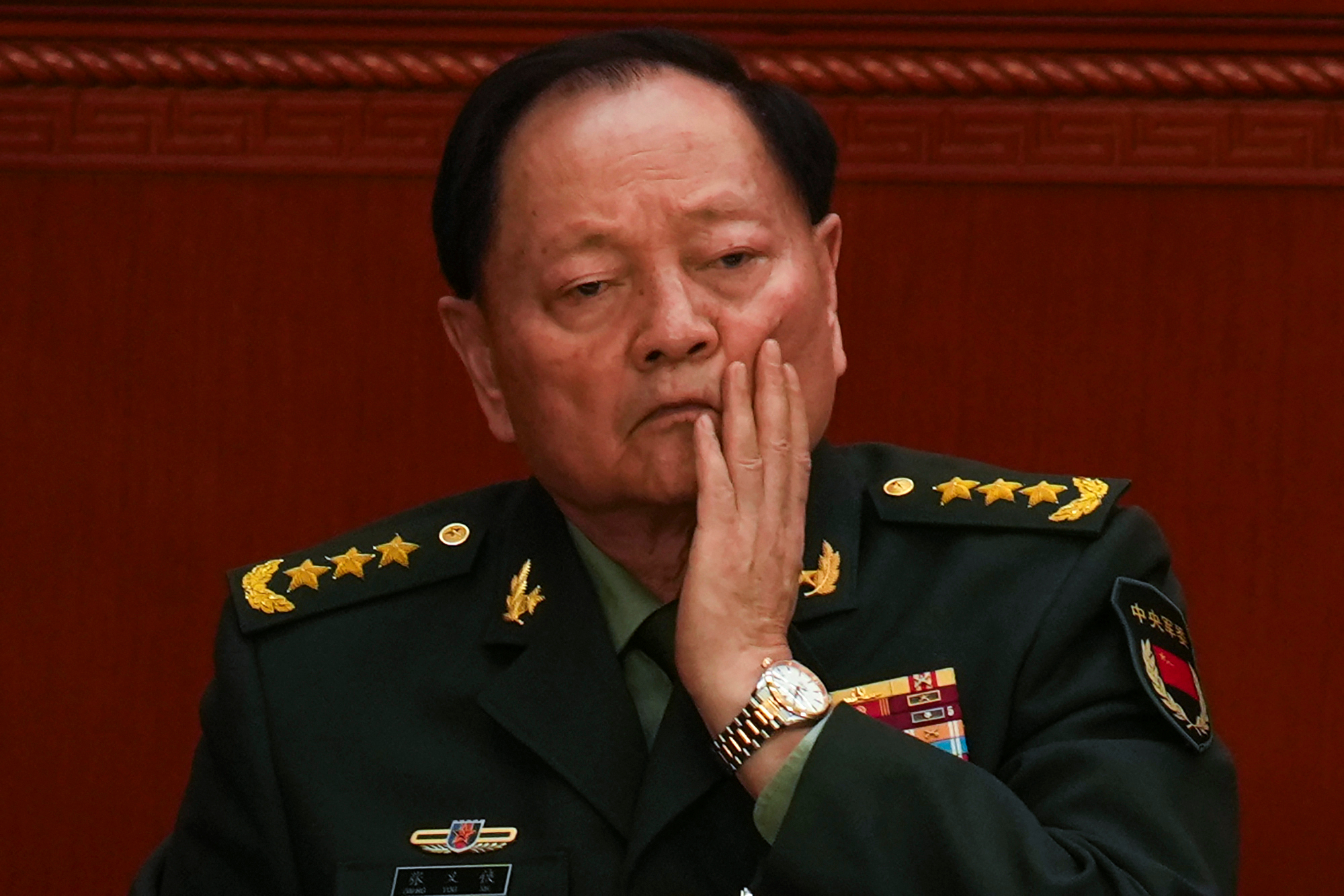
Diplomatic signals suggest the United States and Iran are nearing a peace agreement or a deal to resolve their ongoing conflict, according to Pakistan's Defense Minister Khawaja Asif. Speaking in Islamabad on Tuesday, Asif told Bloomberg that things are shaping up again in favor of a peace arrangement or a deal
and noted that indicators from the previous two to three days suggest the two nations are close to an arrangement.
Pakistan has acted as a mediator between Washington and Tehran throughout the conflict, working alongside Qatar and Oman. As part of these efforts, Pakistan's Interior Minister Mohsin Raza Naqvi arrived in Tehran on Tuesday for talks with Iranian Foreign Minister Abbas Araghchi and Interior Minister Eskandar Momeni.
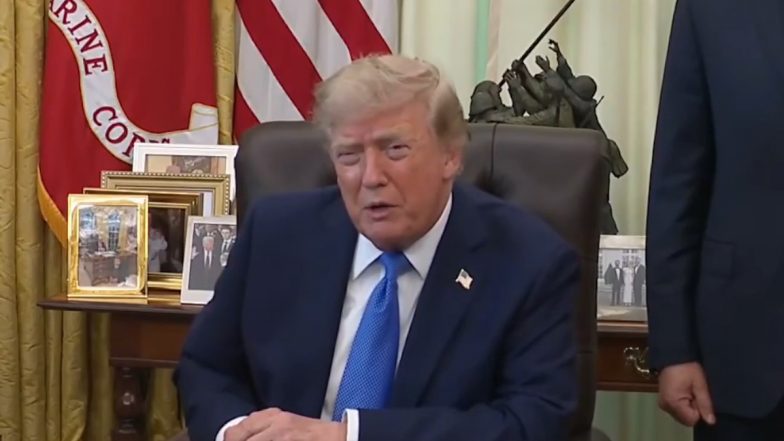
The optimistic outlook from Islamabad contrasts with a hardening public stance from the White House. On Monday, President Donald Trump demanded compensation from Iran for deaths and damages occurring over the last 50 years, including the families of 17 U.S. Sailors killed in the 2000 bombing of the USS Cole. Using his Truth Social platform, the president stated these demands would be put firmly into any, and all, future negotiations
.
The dispute over reparations is a point of contention. Tehran had previously requested compensation as a condition for reopening the Strait of Hormuz. While a June memorandum of understanding between the two countries outlined a $300 billion fund for the rehabilitation and economic development of Iran, President Trump claimed on Monday that compensation for Iran was never mentioned in any of our negotiations or meetings
.
Strait of Hormuz and Economic Pressure
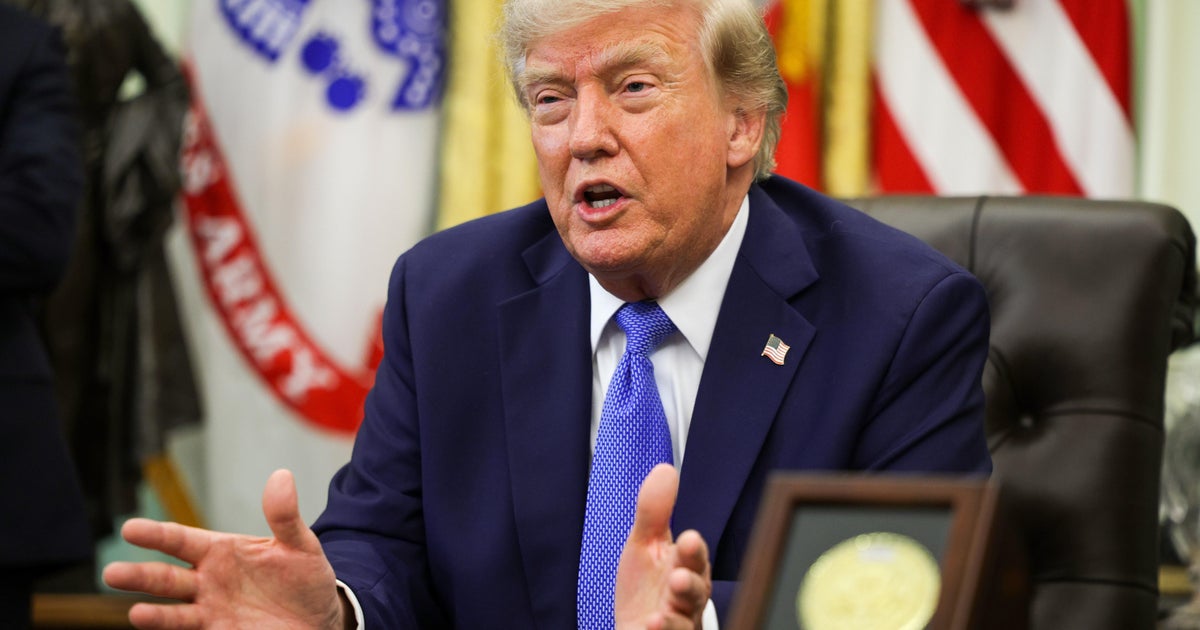
The Strait of Hormuz, through which approximately 20% of the world's oil supply passed before the war began on Feb. 28, remains a primary flashpoint. President Trump asserted in the Oval Office that the U.S. Navy maintains an infallible
blockade — a steel wall
— and claims 100% control of the waterway.
However, Iran has mirrored these claims of control, occasionally attacking ships attempting the crossing. Shipping traffic has plummeted; data showed only six vessels passed through the strait on Monday, compared to a pre-war average of 130 to 140 ships per day.
The economic toll on Iran is mounting. U.S. Treasury Secretary Scott Bessent stated that Iran faces food inflation of 150 to 180 percent and cannot pay its troops. Majidreza Hariri, head of the Iran-China Chamber of Commerce, warned that the U.S. Maritime blockade could add $18 billion annually to Iran's trade costs, arguing that Tehran cannot afford to adapt to the restrictions.
In response, Iranian Foreign Ministry spokesperson Esmaeil Baqaei accused Washington of being addicted
to economic restrictions, claiming the U.S. Turns to sanctions whenever diplomacy fails.
Regional Escalations and Houthi Attacks
Violence has surged in the Red Sea and Bab el-Mandeb Strait as an alternative route for Saudi oil. On Tuesday, Houthi rebels launched three ballistic missiles at the Tihamah, a commercial vessel carrying food supplies. Yemen's Saudi-backed transport ministry reported that the attack killed four crew members, three Pakistanis and one Indonesian, and wounded four others. A fourth missile was fired at the vessel while rescue teams were attempting to evacuate the wounded.
The Houthis also targeted the port city of Mokha and the province of Marib. These attacks follow a recent escalation against government forces in Yemen and oil facilities in Saudi Arabia.
Further instability was reported in the Gulf of Oman on Tuesday. The United Kingdom Maritime Trade Operations (UKMTO) reported an incident involving military forces and a container ship south of Gwadar, Pakistan, which is currently under investigation.
Conflict in Lebanon and Iraq
In southern Lebanon, the UN peacekeeping force (UNIFIL) reported that Israeli forces fired 455 projectiles and violated Lebanese airspace 97 times between Friday and Sunday. The Lebanese health ministry reported that Israeli strikes in Nabatieh wounded two people and damaged an ambulance. Lebanon's civil defence also reported that personnel were targeted by an Israeli drone while extinguishing a bushfire.
While a June memorandum of understanding and a subsequent framework agreement between Lebanon and Israel led to a decrease in violence, Hezbollah rejects the deal, which requires its disarmament, calling the negotiations appeasement
.
Meanwhile, in northern Iraq, security sources blamed Iran for a Tuesday rocket attack on an Iranian Kurdish opposition camp northeast of Erbil.
Infrastructure and Next Steps
Iran is attempting to recover its energy sector. Oil Minister Mohsen Paknejad announced plans to bring 95 million cubic metres of natural gas back into production by late September. This follows strikes that have knocked out an estimated 230 million cubic metres of daily output since late February.
Diplomatic efforts continue, with Qatar's Foreign Ministry stating that negotiations between Oman and Iran regarding the Strait of Hormuz have reached an advanced stage
and are at a critical juncture
.
How significant is this development?
Participate in our community survey on the trajectory and real-world impact of this news.