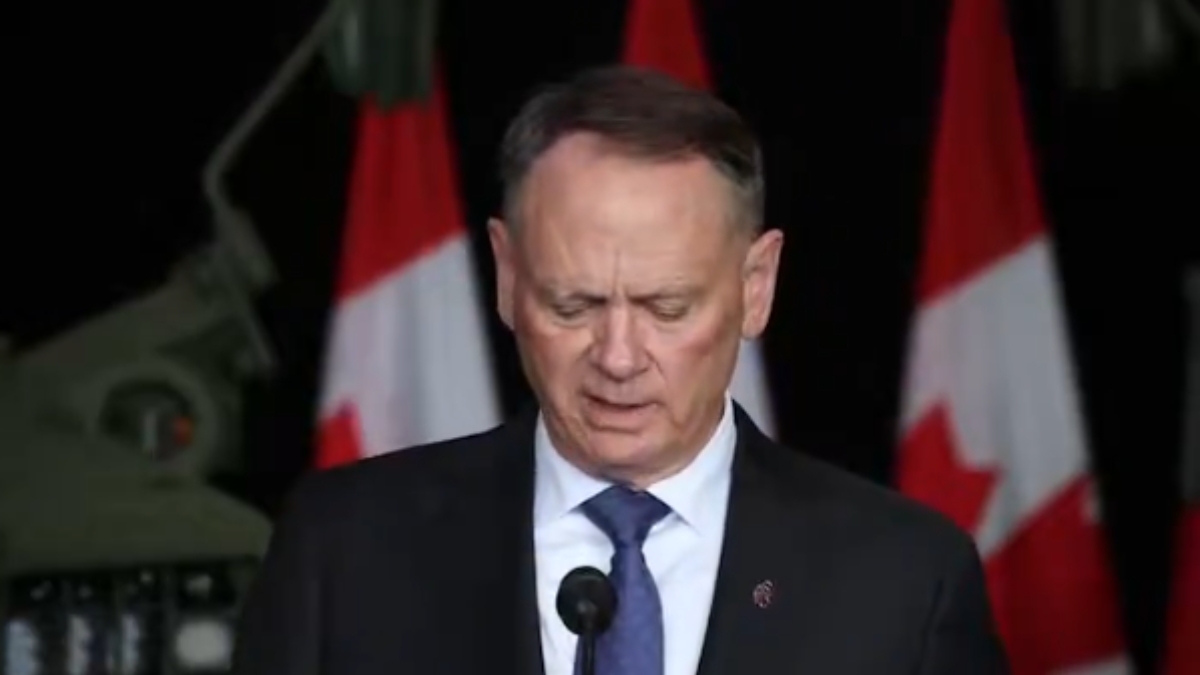
PM Mark Carney pursues state capitalism with multibillion-dollar deals
Prime Minister Mark Carney is pivoting Canada toward a state capitalism model, leveraging public funds for infrastructure projects while implementing austerity cuts.
- Headline Dispatch: PM Mark Carney pursues state capitalism with multibillion-dollar deals
- Core Takeaway: Prime Minister Mark Carney is pivoting Canada toward a state capitalism model, leveraging public funds for infrastructure projects while implementing austerity cuts.
- Source Synthesis: Continuous live monitoring aggregated across major news wires and independent bureaus.

PM Mark Carney pursues state capitalism with multibillion-dollar deals
Prime Minister Mark Carney is implementing a strategy of state capitalism to reduce Canada's economic and security reliance on the United States. By utilizing public capital to absorb risks that deter the private sector, the prime minister is pursuing a pragmatic
agenda of nation-building through aggressive spending and targeted austerity.
Strategic Shift and Global Diversification
In a televised address on October 22, 2025, Prime Minister Carney declared that the era of an ever-closer economic relationship with the U.S. Is over, stating that former strengths based on those ties have become vulnerabilities
. To counter the effects of U.S. Tariffs on the auto, steel, and aluminum sectors, Carney pledged to double non-U.S. Exports over a decade, a move he claims will bring in an additional C$300 billion.
This shift includes a pivot away from the U.S. Regarding digital sovereignty, artificial intelligence, and defence spending. During an official visit to Saudi Arabia on July 9, 2026, Carney touted commercial agreements in defence, infrastructure, mining, and health technology worth more than $1 billion. Addressing the human rights records of partners like Saudi Arabia, China, or Turkey, Carney argued that Canada cannot lecture countries from afar
and must instead engage privately.
The "Build, Baby, Build" Agenda
The government is utilizing public funds to kick-start projects the private sector is reluctant to finance. A primary example is a new oil pipeline to the Pacific coast. Ottawa and Alberta have agreed to split up to 90 per cent of the potential $44-billion construction cost, which could amount to approximately $19.6 billion each. The Crown-owned Trans Mountain Corporation holds the right-of-way, while Pembina Pipeline will hold a 10 per cent interest, with an option to increase that to 20 per cent.
Simultaneously, Carney committed $20 billion to British Columbia for a suite of projects, including expanding ports for Alberta oil, highway tunnels, rail lines, critical mine projects, and child care. To expedite these initiatives, the government passed Bill C-5 and empowered a Major Projects Office to fast-track approvals for nuclear, mining, and high-speed-rail projects.
Fiscal Realities and the "Capital Budgeting Framework"
Austerity and Public Service Cuts
To fund these investments, Finance Minister François-Philippe Champagne launched a comprehensive expenditure review. The government aims to cut operational spending by 7.5 per cent for the 2026-27 fiscal year, 10 per cent the following year, and 15 per cent in 2028-29.
While Carney has spared child care, pharmacare, and dental care, as well as provincial health transfers and Old Age Security, union leaders from the Public Service Alliance of Canada have expressed concern over potential job losses.
Political and Economic Opposition
Conservative Leader Pierre Poilievre and his foreign affairs critic, Eric Duncan, have criticized the strategy. Duncan described the global agreements as non-binding
and aspirational
, citing a report that the Major Projects Office lacked "shovel-ready" projects for a $70-billion investment pledge from the United Arab Emirates. Duncan also disputed Carney's capital estimates, suggesting the need is closer to $6 trillion rather than the $1 trillion over five years identified by the prime minister.
How significant is this development?
Participate in our community survey on the trajectory and real-world impact of this news.