Iran Officials Admit To "Mistake" After Attacks On Ships In Hormuz: Report
Tehran reportedly attributed attacks on commercial ships to hardliners as the U.S. demands public acknowledgment and open transit through the Strait of Hormuz.
- Headline Dispatch: Iran Officials Admit To "Mistake" After Attacks On Ships In Hormuz: Report
- Core Takeaway: Tehran reportedly attributed attacks on commercial ships to hardliners as the U.S. demands public acknowledgment and open transit through the Strait of Hormuz.
- Source Synthesis: Continuous live monitoring aggregated across major news wires and independent bureaus.
Iran Officials Admit To "Mistake" After Attacks On Ships In Hormuz: Report
Iranian officials have privately admitted to Trump administration advisers that shooting at commercial ships in the Strait of Hormuz was a mistake, according to senior U.S. Officials. Tehran reportedly attributed the attacks to an errant
sect of hardliners attempting to sabotage negotiations and expressed a desire to keep talking.
The White House is now seeking a public acknowledgment of the error, which the administration views as a violation of a ceasefire. One official reported that the Iranians stated,
"We screwed up. We made a mistake. Let's keep talking."
Unnamed official, via CBS News
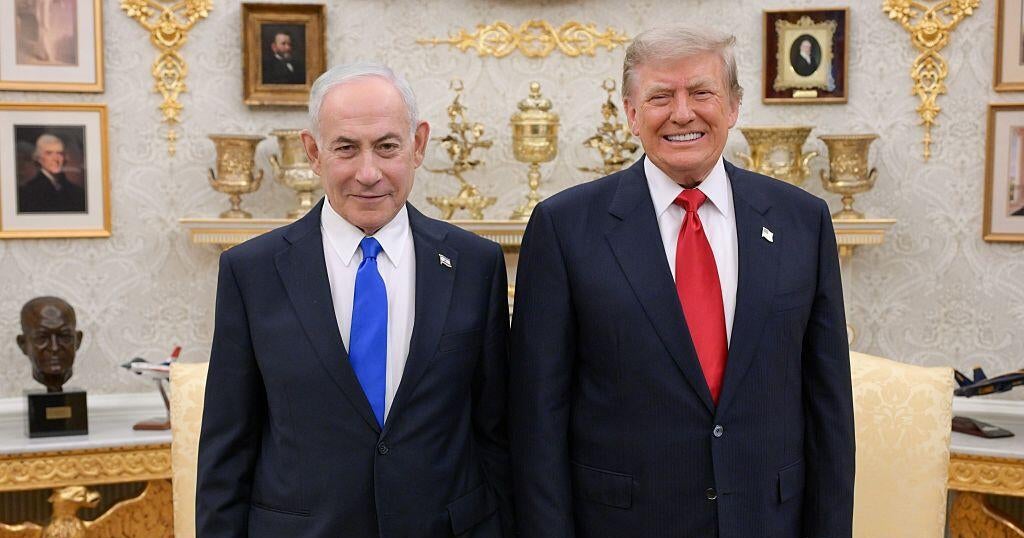
The disclosure comes amid escalating tensions. President Donald Trump has directed a negotiating team — including Vice President JD Vance, Secretary of State Marco Rubio, special envoy Steve Witkoff, and Jared Kushner — to continue talks. However, the president has also declared that the Memorandum of Understanding (MoU) to halt fighting has ended for him.
Military Escalation and Threats
The diplomatic efforts follow a week of violent exchanges. The U.S. Launched new airstrikes against Iran, including an attack targeting the area around Iran's sole nuclear power plant. Tehran responded by targeting U.S.-allied countries in the Middle East. Sirens sounded Thursday in Jordan and Bahrain, where the U.S. Navy’s 5th Fleet is headquartered, while missiles targeted Qatar and Kuwait.
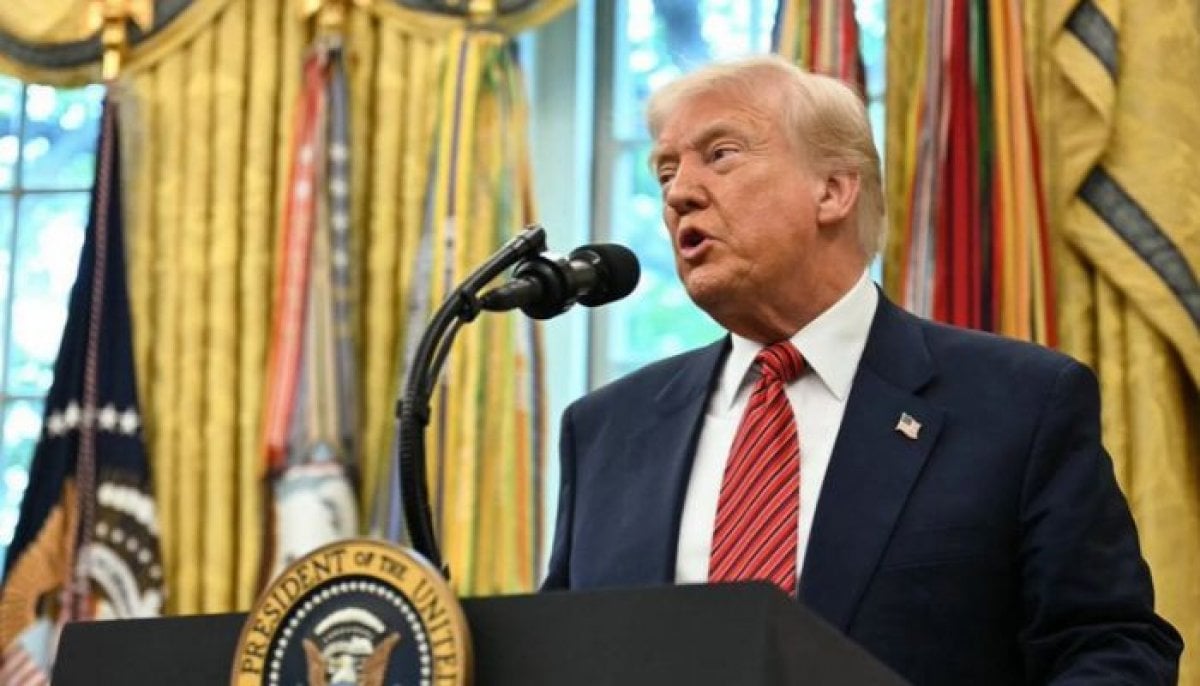
President Trump has threatened severe retaliation, writing on Truth Social that a thousand missiles are Locked and Loaded
and aimed at the Islamic Republic of Iran. He stated the U.S. Military is ready to completely decimate and destroy all areas of Iran
for a one-year period, subject to extension. This threat followed reports of plots to assassinate the president, though U.S. Officials said he does not make decisions based on fear.
The Struggle for the Strait
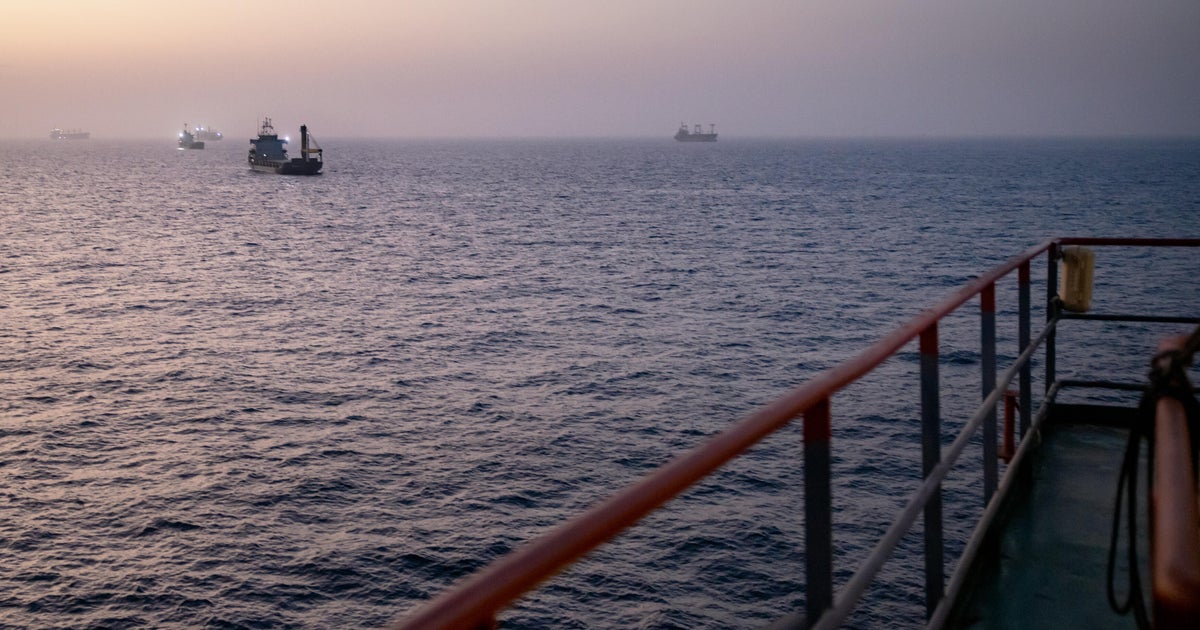
Control over the Strait of Hormuz remains a primary point of contention. In peacetime, approximately one-fifth of global oil and liquefied natural gas shipments pass through the waterway. Current traffic remains well below normal levels, contributing to rising oil prices.
The U.S. Believes Iran reneged on the MoU because it was caught off guard by the volume of traffic moving through the southern lane along the Omani coast. Washington is demanding that Iran publicly declare all channels open, cease attacks on vessels, and confirm that no transit fees will be imposed.
Iran, however, maintains that any activity in the strait, including demining or opening operations, rests exclusively with Iran
, according to its diplomat at the United Nations. Tehran has established the Persian Gulf Strait Authority to coordinate transit, a move the International Maritime Organization (IMO) strongly condemned on Friday, July 11, urging its 176 member states not to recognize Iran's claim of sovereignty over the strait.
Internal Iranian Division
The conflict is framed by a leadership transition in Tehran. Supreme Leader Ayatollah Ali Khamenei, who was killed in an airstrike on February 28, was laid to rest in Mashhad on Friday, July 11. He was succeeded by his son, Ayatollah Mojtaba Khamenei, who was selected in March.
The funeral highlighted deep internal rifts. While chief negotiator Mohammad Bagher Ghalibaf attended, crowds shouted that negotiating with the enemy is betraying the homeland. Ali Khomeini, grandson of Ruhollah Khomeini, described anyone wishing to negotiate peace with America as a traitor
.
In a statement released Saturday, Mojtaba Khamenei pledged to avenge his father's blood, calling it the demand of our nation
and state policy.
Economic and Nuclear Stakes
The U.S. Has paired its diplomatic pressure with economic measures. On Friday, the Treasury Department imposed sanctions on Iranian financier Ali Ansari, accused of managing assets for Mojtaba Khamenei.
Regarding Iran's nuclear program, U.S. Officials mentioned a preference to excavate the remnants of the program, referred to by the president as nuclear dust
, though they noted other options if Iran refuses to act like a normal country
. One official warned that if Iran cannot honor the easiest part of the deal
, opening the strait to trade, negotiators will never address the nuclear issue.
Next steps involve high-level mediation. Qatari mediators visited Iran on Friday, and Iranian Foreign Minister Abbas Araqchi is expected in Oman for discussions on the administration of the strait and safe passage for shipping. The U.S. Has urged vessels to use Omani territorial waters where possible.
How significant is this development?
Participate in our community survey on the trajectory and real-world impact of this news.