Vapes to have less enticing names to protect children, under UK plans
New UK proposals aim to curb youth vaping by restricting flavour descriptions and introducing standardised packaging for nicotine products.
- Headline Dispatch: Vapes to have less enticing names to protect children, under UK plans
- Core Takeaway: New UK proposals aim to curb youth vaping by restricting flavour descriptions and introducing standardised packaging for nicotine products.
- Source Synthesis: Continuous live monitoring aggregated across major news wires and independent bureaus.
Vapes to have less enticing names to protect children, under UK plans
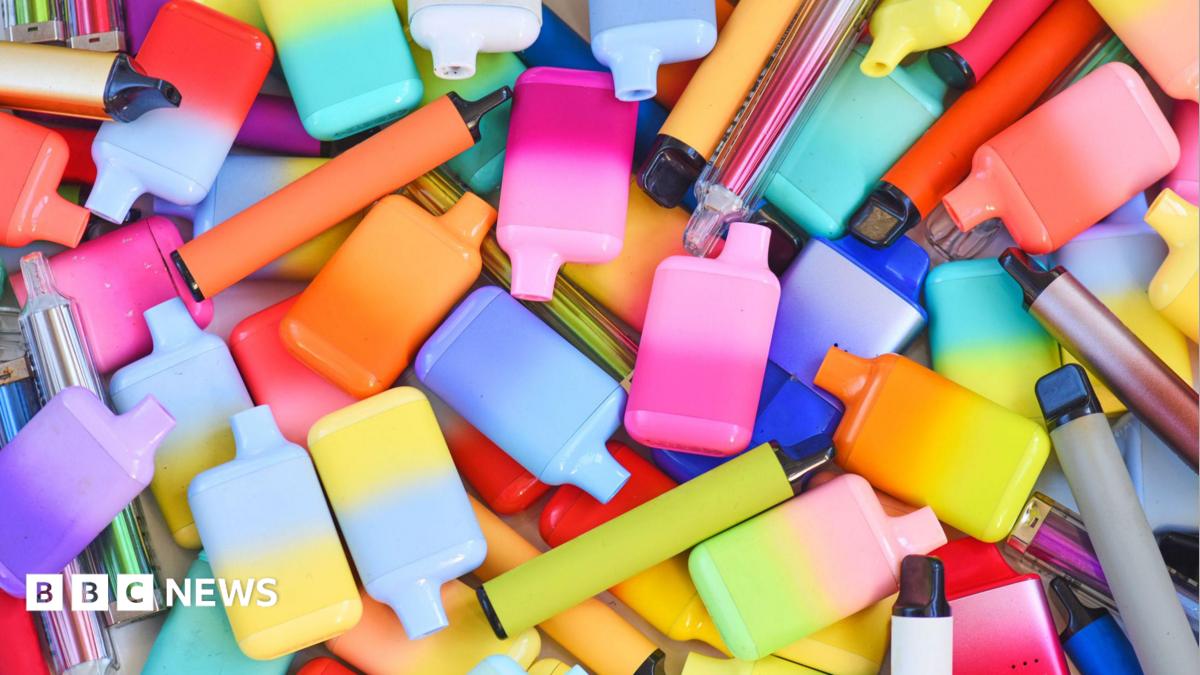
The UK government has launched a consultation to curb the appeal of vaping to children by restricting how the products are named, packaged, and displayed in shops. The proposals include the introduction of plain packaging and a ban on flavour descriptions that mimic sweets, desserts, and alcohol.
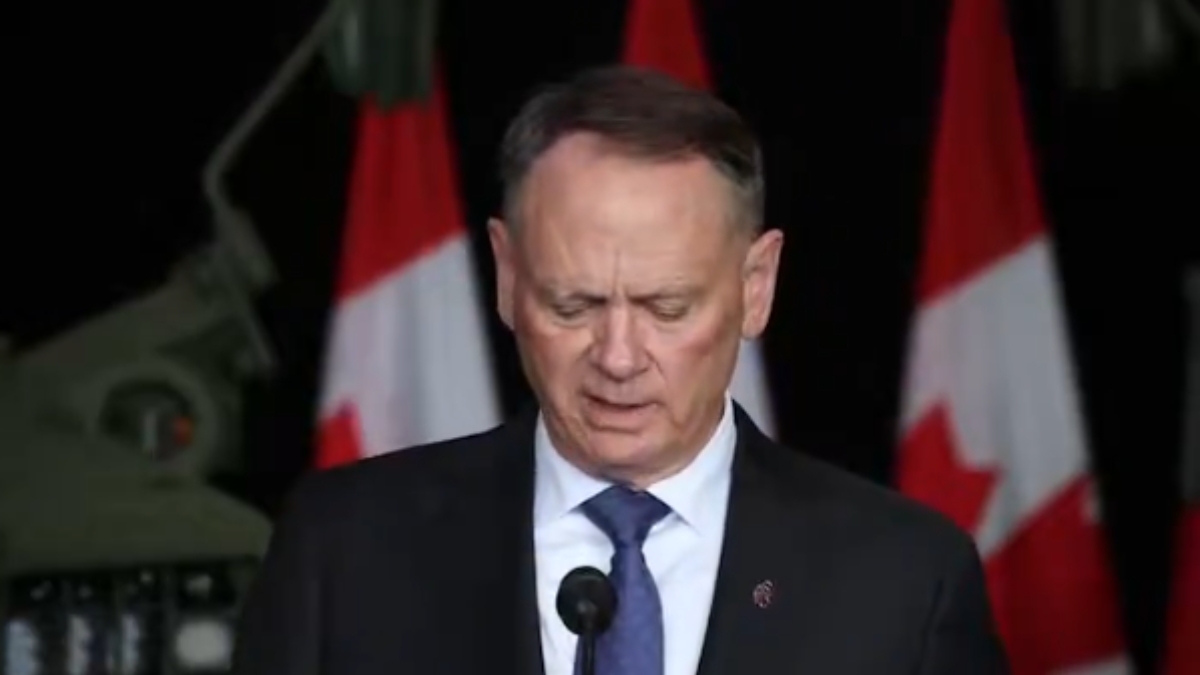
Health Secretary James Murray said the plans aim to stop young people from being lured into experimenting with nicotine. He noted that while vapes can help adult smokers quit and are less harmful than cigarettes, they should not be marketed in ways that tempt children.
"The evidence is clear: there are too many young people experimenting with vapes, attracted by the array of flavours, bright colours and marketing displays,"
James Murray, Health Secretary, via BBC
The Department of Health and Social Care outlined plans for white packaging with standardized product information and limits on imagery, branding, and text colour. Additionally, the government is considering limiting the colours of the devices themselves to white, black, or grey. To further reduce visibility, the proposals suggest moving vapes out of sight within retail environments.
Regarding flavours, the government would allow simple descriptors such as apple
but prohibit names linked to confectionery and alcohol. Health experts stated there is no legitimate reason for nicotine products to feature cartoon images or neon packaging designed to attract children.
Impact on youth and adult users
The move follows data from the charity Action on Smoking and Health (Ash) indicating that around one million young people in Great Britain — nearly one in five aged 11-17 — reported trying vaping in 2025. A poll by Ash cited a figure of 19% for this group.
A study published in the Lancet Regional Health Europe by researchers from UCL and King’s College London examined the effects of packaging on 2,770 children and young people aged 11 to 18, and just under 4,000 adults. The research found that 53% of young people believed their peers would be interested in vapes in usual packaging; this figure dropped to 38% when shown standardized packs with usual flavour descriptions. Interest among adults remained the same regardless of whether the packaging was plain or branded.
Hazel Cheeseman, chief executive of Ash, stated that attractive branding has driven the appeal of vapes to children. However, she noted that vapes have helped millions of adults stop smoking in recent years and are significantly less harmful than smoking.
Broader tobacco restrictions
The consultation also targets traditional tobacco. Plans include making all tobacco products, including cigars and cigarette rolling paper, come in plain packaging. The government also proposes adding inserts to cigarette packs to direct buyers toward quitting services.
Current proposals would remove exemptions for airports and duty-free shops, meaning tobacco products in those settings would also be restricted from view.
These measures follow the Tobacco and Vapes Act, which aims to create the first smoke-free generation. Under this act, it is illegal for shops to sell tobacco to anyone born after 1 January 2009, effectively creating a lifelong ban for those aged 17 or younger. The act also provides powers to ban vaping in hospitals, playgrounds, outside schools, and in cars carrying children.
Regional and professional response
The proposals have been welcomed by health officials across the UK:
- Professor Steve Turner, president of the Royal College of Paediatrics and Child Health, said strong regulation is necessary to protect children from nicotine addiction.
- Professor Sir Chris Whitty, England’s chief medical officer, has previously described the marketing of vapes to children as
utterly unacceptable
. - Maree Todd, Scotland's public health minister, urged the public to provide feedback on how these products are marketed and sold.
- Mike Nesbitt, Northern Ireland health minister, stated that restricting visibility will lessen the appeal of the products.
- Nerys Evans, Wales deputy minister for preventative and public health, argued that sweet-sounding names and cartoon branding have no place in nicotine products.
The government's current efforts follow a ban on single-use vapes and precede upcoming bans on the sale of vapes via vending machines and the end of vape sponsorship and advertising.
The public has been urged to participate in the consultation, which James Murray described as a 12-week process, while other sources describe it as a 100-day window.
How significant is this development?
Participate in our community survey on the trajectory and real-world impact of this news.