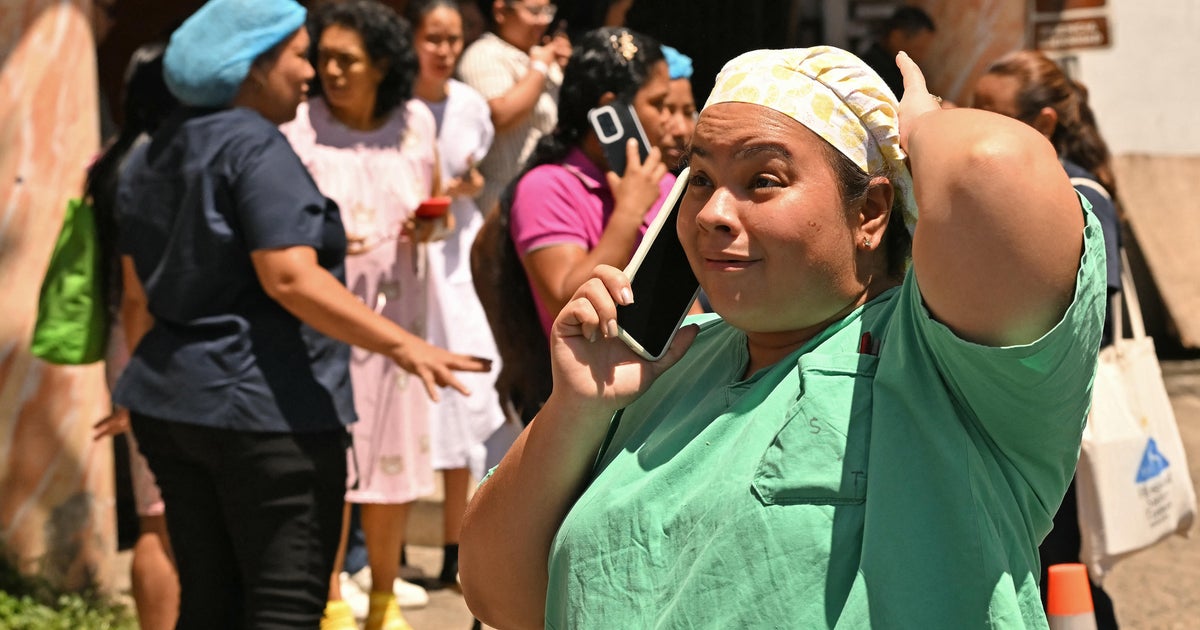
Huge crowds in Mashhad for burial of Iran's late supreme leader
Massive crowds in Mashhad marked the burial of Iran's late supreme leader amid reports of his successor's injuries and a collapsing peace deal with the US.
- Headline Dispatch: Huge crowds in Mashhad for burial of Iran's late supreme leader
- Core Takeaway: Massive crowds in Mashhad marked the burial of Iran's late supreme leader amid reports of his successor's injuries and a collapsing peace deal with the US.
- Source Synthesis: Continuous live monitoring aggregated across major news wires and independent bureaus.
Huge crowds in Mashhad for burial of Iran's late supreme leader
Thousands of mourners dressed in black filled the streets of Mashhad on July 9, 2026, for the burial of Iran's late supreme leader, Ayatollah Ali Khamenei. The ceremonies concluded six days of public mourning held across five cities in Iran and neighboring Iraq.
Khamenei's remains, along with those of his daughter, son-in-law, granddaughter, and the wife of his son Mojtaba, arrived in Mashhad via plane after processions in the Iraqi cities of Najaf and Karbala. To ensure security, at least one fighter jet escorted the aircraft. In the afternoon, a lorry transported the coffins through central Mashhad toward the Shrine of Imam Reza, the holiest Shia Muslim site in Iran. Due to the impenetrable size of the crowd, a helicopter eventually lifted Khamenei's coffin from the truck for the final distance to a blue-tiled arched recess at the shrine.
The burial took place at the 9th-century mausoleum of Imam Reza, the eighth Shia imam, in the city where Khamenei was born and studied. His eldest son, Mostafa Khamenei, said the funeral prayer. Other high-ranking officials present included chief justice Gholamhossein Mohseni Ejei and parliament speaker Mohammad Bagher Ghalibaf.
The atmosphere was characterized by a mix of grief and calls for vengeance. Mourners waved Iranian flags and red banners, while some held placards calling for the death of US President Donald Trump. Chants of Death to America
and I swear by the blood of the Supreme Leader, Trump, we will kill you!
echoed through the streets. Hoda, a 35-year-old housewife, told AFP news agency, The loss of the leader is heavier than losing our parents. Only the death of Trump and Netanyahu will soothe our pain.
Succession and Absence
Despite his role as the new supreme leader, Mojtaba Khamenei was absent from the burial and previous ceremonies in Tehran and Qom. Proclaimed leader by a clerical assembly in early March, the 56-year-old has not appeared in public since the war began. While he has issued written statements, no audio, video, or images of him have been released.
Reports indicate Mojtaba was seriously wounded in the same strike that killed his father, with senior Tehran sources stating his limbs were badly wounded and his face disfigured. Security services are reportedly limiting his exposure to avoid further US attacks while he recovers.
War and Diplomatic Collapse
The burial occurred amid a renewed burst of hostilities between Iran and the United States. This conflict began on February 28, when a joint attack ordered by Donald Trump and Israeli Prime Minister Benjamin Netanyahu targeted Khamenei's residence in Tehran, killing the leader and several family members.
The funeral ceremonies were marred by fresh military strikes. Iran's Revolutionary Guards accused the US of bombing two bridges on the railway line between Tehran and Mashhad overnight to overshadow
the funeral. Iranian officials reported that US strikes killed 17 people, forcing some travelers to move from trains to buses. In response, the Revolutionary Guards said Iranian forces attacked US military infrastructure in Bahrain, Qatar, and Kuwait.
These events threaten a preliminary peace agreement. Three weeks ago, the two nations signed a memorandum of understanding (MoU) calling for an end to hostilities and the reopening of the Strait of Hormuz, allowing two months to reach a final deal on US sanctions and Iran's nuclear programme. However, Donald Trump told reporters on Wednesday that he believes the MoU is now over
, warning that US attacks could get much worse
.
Legacy of 37 Years
Appointed in 1989 following the death of Ayatollah Ruhollah Khomeini, Ali Khamenei ruled for 37 years. He consolidated power by marginalizing parliament and the elected president, working closely with the Islamic Revolutionary Guard Corps. This alliance ensured the Guards' current dominance in strategic thinking and their support for Mojtaba Khamenei's succession.
The leadership used the choreographed funeral to project strength and unity. This follows a period of extreme internal instability, including mass protests in January sparked by a sanctions-hit economy, which were suppressed by security forces killing thousands of demonstrators.
While analysts suggest Iran remains strategically strengthened with its control of the Strait of Hormuz intact, the country suffers from widespread damage and economic distress. The state news agency IRNA reported early on July 10 that the burials of Khamenei and his four family members were complete. Indirect talks in Doha were expected to resume following the conclusion of these ceremonies.
How significant is this development?
Participate in our community survey on the trajectory and real-world impact of this news.