US to impose 25% tariff on Brazil imports starting July 22
The United States is implementing new tariffs on Brazil following a Section 301 investigation into discriminatory trade practices and digital restrictions.
- Headline Dispatch: US to impose 25% tariff on Brazil imports starting July 22
- Core Takeaway: The United States is implementing new tariffs on Brazil following a Section 301 investigation into discriminatory trade practices and digital restrictions.
- Source Synthesis: Continuous live monitoring aggregated across major news wires and independent bureaus.
US to impose 25% tariff on Brazil imports starting July 22
The United States will implement a 25% tariff on certain imports from Brazil beginning July 22, following a year-long investigation into the country's trade practices. The Office of the US Trade Representative (USTR) announced the move on Wednesday, July 15, stating that the inquiry found several of Brazil's practices to be unreasonable and discriminatory
.
The investigation was conducted under Section 301 of the Trade Act of 1974 at the direction of President Donald Trump. According to US Trade Representative Jamieson Greer, the action is necessary to ensure American workers and companies can compete on a level playing field
.
Core Trade Disputes
A central point of contention is the Pix electronic payments system. The US report argues that Brazil has unfairly disadvantaged
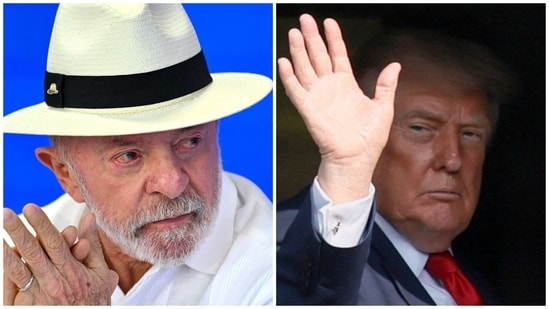
American providers of competing payment services by adopting policies that favor the state-operated platform. President Luiz Inácio Lula da Silva has described Pix as a symbol of financial independence and technological sovereignty for Brazil.
The USTR probe also identified several other areas of concern:
- Preferential tariff treatment granted to Mexico and India over American exporters.
- Issues regarding intellectual property protection and anti-corruption enforcement.
- Market access for ethanol and efforts to combat illegal deforestation.
- Digital trade restrictions, including Brazilian court orders for account suspensions and content removal targeting US technology firms.
Jamieson Greer told reporters that the investigation sought to address how Brazil allows farmers to exploit illegally logged land and how the country punishes US technology companies for refusing to censor political speech.
Exemptions and Economic Impact
Despite the broad tariffs, certain goods will be exempt from the new duties. A senior administration official noted that coffee, beef, and some aircraft parts are excluded. Other exemptions include oranges, orange juice, rare earths, and certain energy products. While certain ethanol products are exempt, ethanol generally remains subject to the tariffs.
The trade relationship between the two nations is significant. The US is Brazil's second-largest trading partner. In 2025, Brazil imported more than $45 billion of American goods, an 11% increase from the previous year. During that same period, Brazilian exports fell nearly 7%, with crude oil making up 12.5% of shipments.
The Brazilian government has repudiated the decision, describing it as a lamentable milestone
and a violation of multilateral trade rules. In a statement, the government argued there is no justification for unilateral measures
, noting that the US has maintained a trade surplus of $424.5 billion with Brazil over the last 15 years.
Political Tensions and Diplomatic History
The dispute is intensifying amid Brazil's presidential campaign. Senator Flávio Bolsonaro, the son of former President Jair Bolsonaro and the main challenger to President Lula in the October election, testified at a USTR hearing this month. While the Brazilian government accused the Bolsonaro family of working with the US to enable these tariffs, the younger Bolsonaro argued that the duties would be difficult to reverse before the vote and could actually benefit President Lula politically.
This is not the first trade clash between the two. In 2025, the Trump administration imposed 50% tariffs on various Brazilian goods to pressure authorities over the prosecution of Jair Bolsonaro, who is currently serving a 27-year sentence. Most of those duties were rolled back after negotiations, which was viewed as a diplomatic victory for Lula.
Current tensions are further highlighted by Secretary of State Marco Rubio, who stated on X that President Lula has put his own ego ahead of making a deal
and has not negotiated in good faith.
Next Steps
Brazil has vowed to pursue relief through the World Trade Organization and may implement reciprocal tariffs. However, both governments are still attempting to avoid a total trade conflict. Jamieson Greer has met with Brazil’s Trade Minister Márcio Elias multiple times in recent months. While the Lula administration intends to continue negotiating until July 22, it has ruled out changes to the Pix system, which it considers legally and politically unacceptable.
How significant is this development?
Participate in our community survey on the trajectory and real-world impact of this news.