Samsung threatens to delete health data if users refuse AI training consent
Samsung Health users are being asked to consent to AI training using their health data or face the deletion of their records and loss of account synchronization.
- Headline Dispatch: Samsung threatens to delete health data if users refuse AI training consent
- Core Takeaway: Samsung Health users are being asked to consent to AI training using their health data or face the deletion of their records and loss of account synchronization.
- Source Synthesis: Continuous live monitoring aggregated across major news wires and independent bureaus.
Samsung threatens to delete health data if users refuse AI training consent
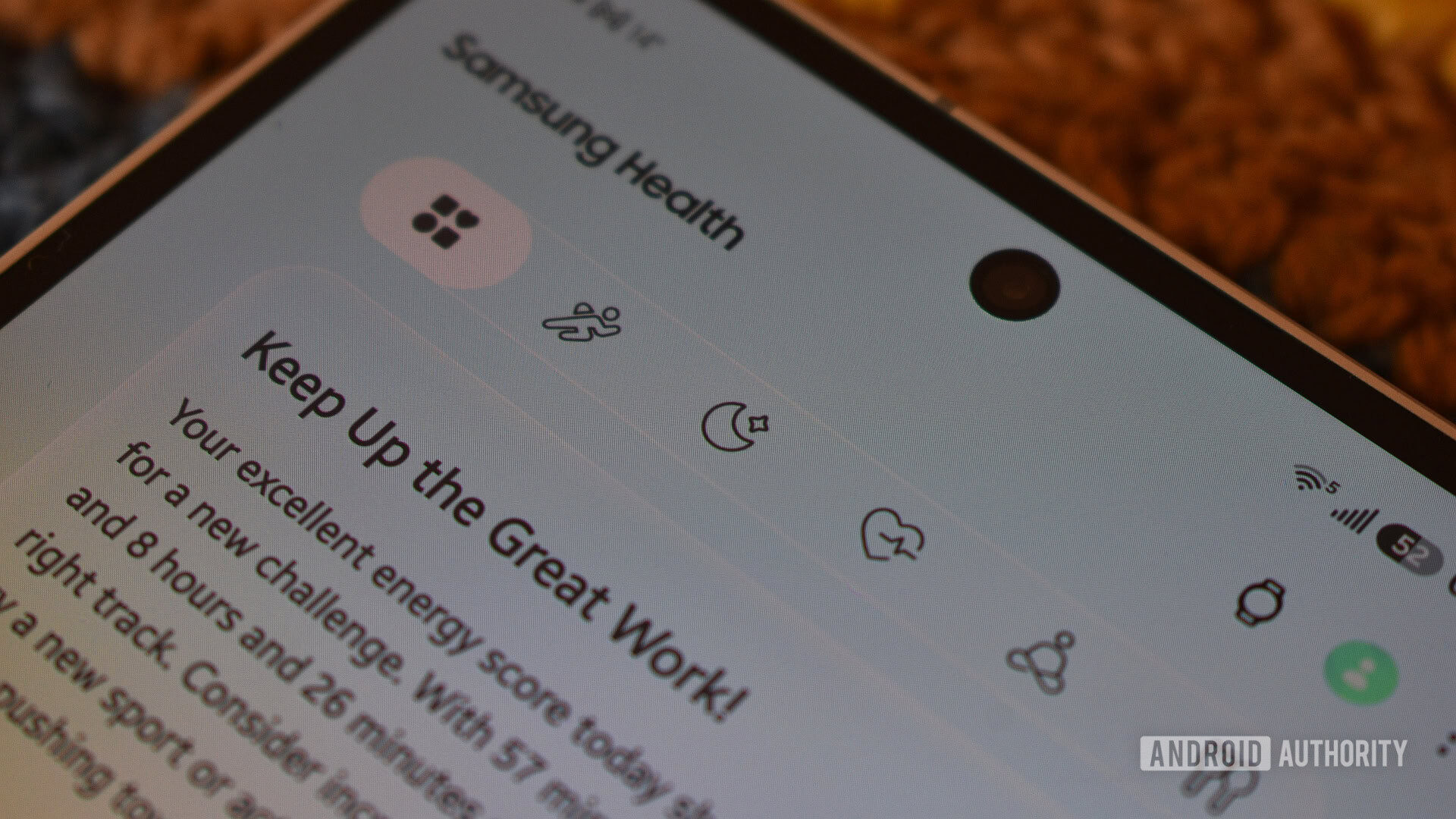
Samsung is requiring users of the Samsung Health app to provide consent for their personal health information to be used in AI training and modeling, or face the deletion of their health records and the loss of account synchronization.
The notice, titled Consent to the Use of Health Data for AI Training and Modelling
, has appeared for some users as part of a rollout of a redesign for the Samsung Health app. According to the company, the captured data will be used for AI training and modeling, which includes human review, to improve the app's AI features and algorithms used to analyze health conditions.
The scope of the data being collected is extensive. Samsung is targeting step counts, sleep data, medication data, and cycle tracking. The company also seeks access to full health records, including test results and treatments, as well as swimming and running tracking data.
For users who choose to withdraw consent via the Privacy menu in the app settings, a pop-up warning appears. The message states that the user will not be able to sync health data with your Samsung account and your health data will be deleted unless retained pursuant to applicable law
. The notice further clarifies that if retention is required by law, Samsung will erase the data as soon as that required period ends.
This move effectively disables the core synchronization functionality that allows a Galaxy Watch to work across devices and wipes years of accumulated fitness and health history for those who refuse.
The timing of this demand coincides with the lead-up to Samsung's Galaxy Unpacked event in London on July 22, 2026. That event is expected to see the launch of a new premium smartphone range and wearables, including the Galaxy Z Fold 8, Galaxy Z Flip 8, Galaxy Watch 9 series, and the Galaxy Watch Ultra 2. There is also speculation regarding the debut of Samsung's first smart glasses.
Last month, Samsung revealed a major update to Samsung Health that integrates AI to assess nutritional choices, analyze sleep data for problems, and recommend workout plans. These features are expected to debut on the Galaxy Watch 9 series before rolling out to older wearables. Building these AI coaching tools requires vast quantities of real user health data.
The inclusion of human review
in the training process means that Samsung contractors or staff may personally examine sensitive consumer health information.
This is not the first time the company has faced criticism over data consent. In early 2025, users in Europe reported being forced to accept a Consent to the processing of health data
notice, which included data transfers to foreign countries and sharing with third parties, under the threat of data deletion. At that time, users on Samsung community forums suggested the move breached European GDPR rules, which mandate that consent for sensitive health data must be freely given without penalty.
In Australia, where health information is classified as sensitive information under the Privacy Act, the consent or we delete everything
model may raise questions with local privacy regulators due to the higher bar for collecting such data.
Samsung has not yet responded to inquiries regarding how this data is handled or the decision to make synchronization contingent on AI training consent. The company's approach has led some frustrated Galaxy Watch owners on company forums to claim Samsung is begging us to switch to Apple products
.
The company's data collection practices are being viewed by some observers as blatantly forcing users to provide their health data for AI training
. This follows a broader trend of data harvesting by companies like Samsung and LG Electronics, who use automatic content recognition technology on smart TVs to share viewing habits with advertising partners.
How significant is this development?
Participate in our community survey on the trajectory and real-world impact of this news.