SpaceX's Falcon 9 first stage has flown for 35th time
Falcon 9 booster B1071 completed its 35th successful flight, delivering 29 Starlink satellites into low Earth orbit.
- Headline Dispatch: SpaceX's Falcon 9 first stage has flown for 35th time
- Core Takeaway: Falcon 9 booster B1071 completed its 35th successful flight, delivering 29 Starlink satellites into low Earth orbit.
- Source Synthesis: Continuous live monitoring aggregated across major news wires and independent bureaus.
SpaceX's Falcon 9 first stage has flown for 35th time
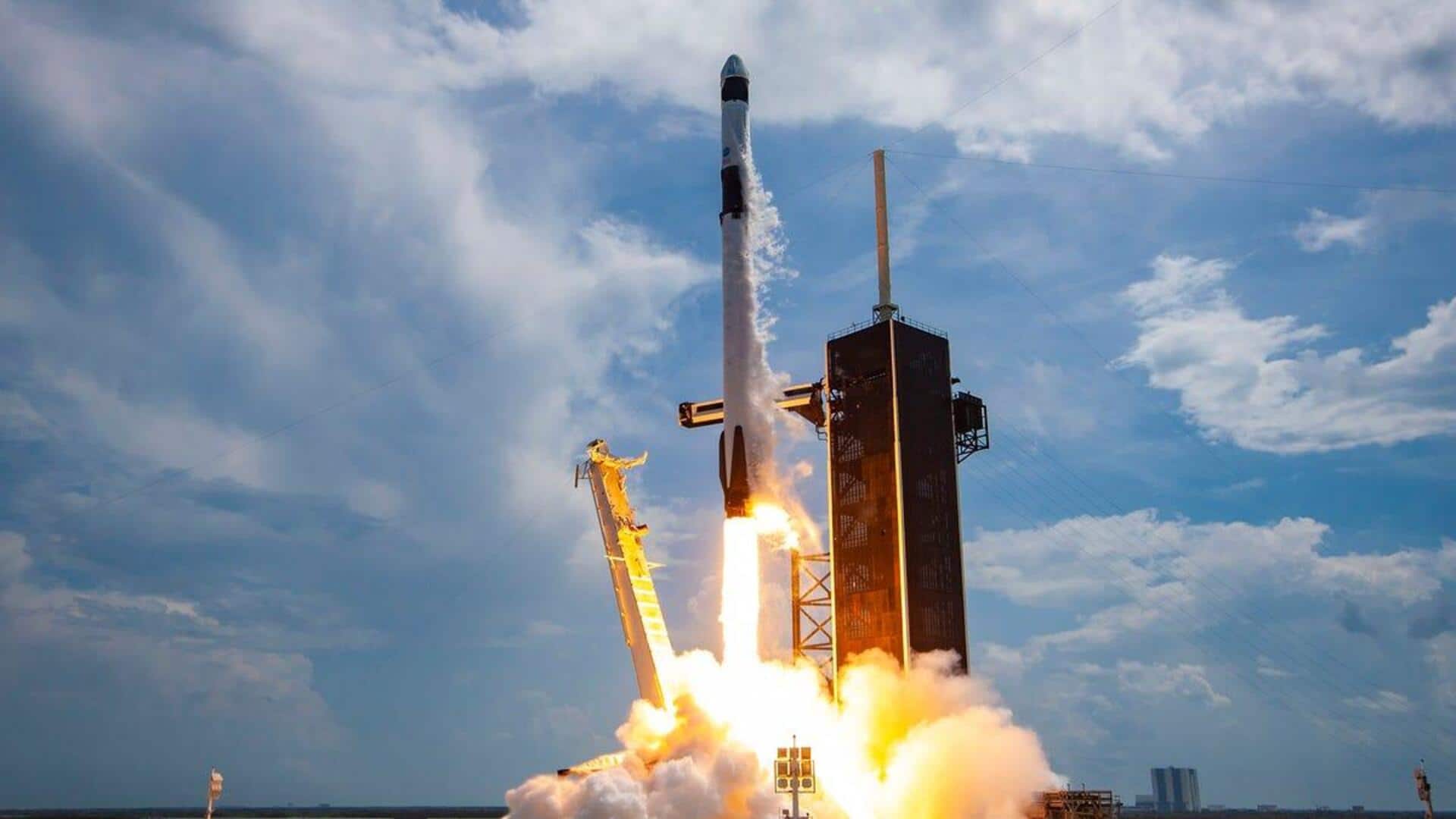
A SpaceX Falcon 9 first-stage booster designated B1071 has completed its 35th successful flight. The mission launched from California's Vandenberg Space Force Base on July 10, 2026, at 11:01 p.m. EDT, carrying 29 Starlink broadband satellites into low Earth orbit (LEO).
The booster returned to Earth and touched down on the droneship Of Course I Still Love You
in the Pacific Ocean approximately 8.5 minutes after liftoff. While B1071 achieved this milestone, it remains one flight short of the SpaceX record of 36 missions, a mark set by booster B1067 on a separate Starlink mission a few days prior.
B1071's history includes 21 Starlink missions as well as flights for NROL-192, NROL-153, NROL-146, NROL-87, NROL-85, Transporter-15, Transporter-14, Transporter-9, Transporter-8, Bandwagon-2, CAS500-2, SWOT, SARah-1, and others.
The mission's upper stage deployed the 29 satellites about 62 minutes after launch. This addition expands the Starlink megaconstellation, which tracker Jonathan McDowell reports already contains more than 10,700 active satellites. SpaceX has applied for permission to operate up to 100,000 satellites in LEO in the future.
This flight was the 81st Falcon 9 mission of 2026, with nearly 80% of those missions being Starlink flights.
Fleet Performance and Competition
Another booster, B1067, previously set a record by becoming the first orbital rocket booster to reach 35 launches and landings. B1067 lifted off from Cape Canaveral Space Force Station on June 8, 2026, for its 35th flight, following a 70-day turnaround. That booster debuted in June 2021 on the CRS-22 cargo mission and has since flown the Crew-3 astronaut flight, one European Hotbird satellite launch, one Galileo satellite deployment, and 23 Starlink missions.
B1067 has carried roughly 1.2 million pounds to orbit over five years. While accounting estimates place the useful life of such boosters at 25 flights, B1067 has exceeded that by 40 percent. According to SEC filings, SpaceX engineered these boosters to support up to 40 flights.
This level of reuse stands in contrast to other providers. No competitor booster has exceeded 15 flights. Other industry developments include:
- Blue Origin: Its orbital New Glenn booster completed three missions before it was destroyed during a pre-launch static fire test on May 28, 2026.
- Japan: The H3-30 variant was scheduled for launch on June 10 in an expendable configuration.
- Others: Europe's Ariane 6 is not designed for reuse, and Rocket Lab's Electron lacks the infrastructure to absorb maintenance costs for its reflown boosters.
Recent Cape Canaveral Operations
On June 25, 2026, a Falcon 9 launched at 3:54 p.m. From Launch Complex 40, carrying 27 Starlink satellites. The booster for that mission, which had previously launched the Axiom Space Ax-2 mission in 2023 and veteran NASA astronaut Peggy Whitson, completed its 20th flight by landing on the droneship Just Read the Instructions
.
Further activity occurred on August 14, 2026, with the Starlink 10-20 mission lifting off at 8:29 a.m. From Cape Canaveral. The booster used for that flight completed its 10th mission. Its previous flight history included Crew-9, RRT-1, Firefly Blue Ghost Mission 1, Fram2, SXM-10, MTG-S1, and three other Starlink missions.
Beyond Starlink, the commercial space sector is seeing regulatory shifts. On August 13, NASA Interim Administrator Sean Duffy announced that President Trump signed an Executive Order to allow for more competition and streamlined regulations within the commercial space industry.
Looking forward, the Artemis II mission, which will see a crew fly around the moon, is set for liftoff no earlier than February 2026.
How significant is this development?
Participate in our community survey on the trajectory and real-world impact of this news.