FCC Approves Reflect Orbital's Space Mirror Satellite That Astronomers Hate
Reflect Orbital received FCC approval to launch a prototype satellite designed to beam sunlight to Earth, sparking intense opposition from the scientific community.
- Headline Dispatch: FCC Approves Reflect Orbital's Space Mirror Satellite That Astronomers Hate
- Core Takeaway: Reflect Orbital received FCC approval to launch a prototype satellite designed to beam sunlight to Earth, sparking intense opposition from the scientific community.
- Source Synthesis: Continuous live monitoring aggregated across major news wires and independent bureaus.
FCC Approves Reflect Orbital's Space Mirror Satellite That Astronomers Hate
The Federal Communications Commission has granted a California-based startup, Reflect Orbital, permission to launch a demonstration satellite designed to reflect sunlight to Earth during the night. The approval, issued Thursday, allows the company to operate its radio equipment in low-Earth orbit.
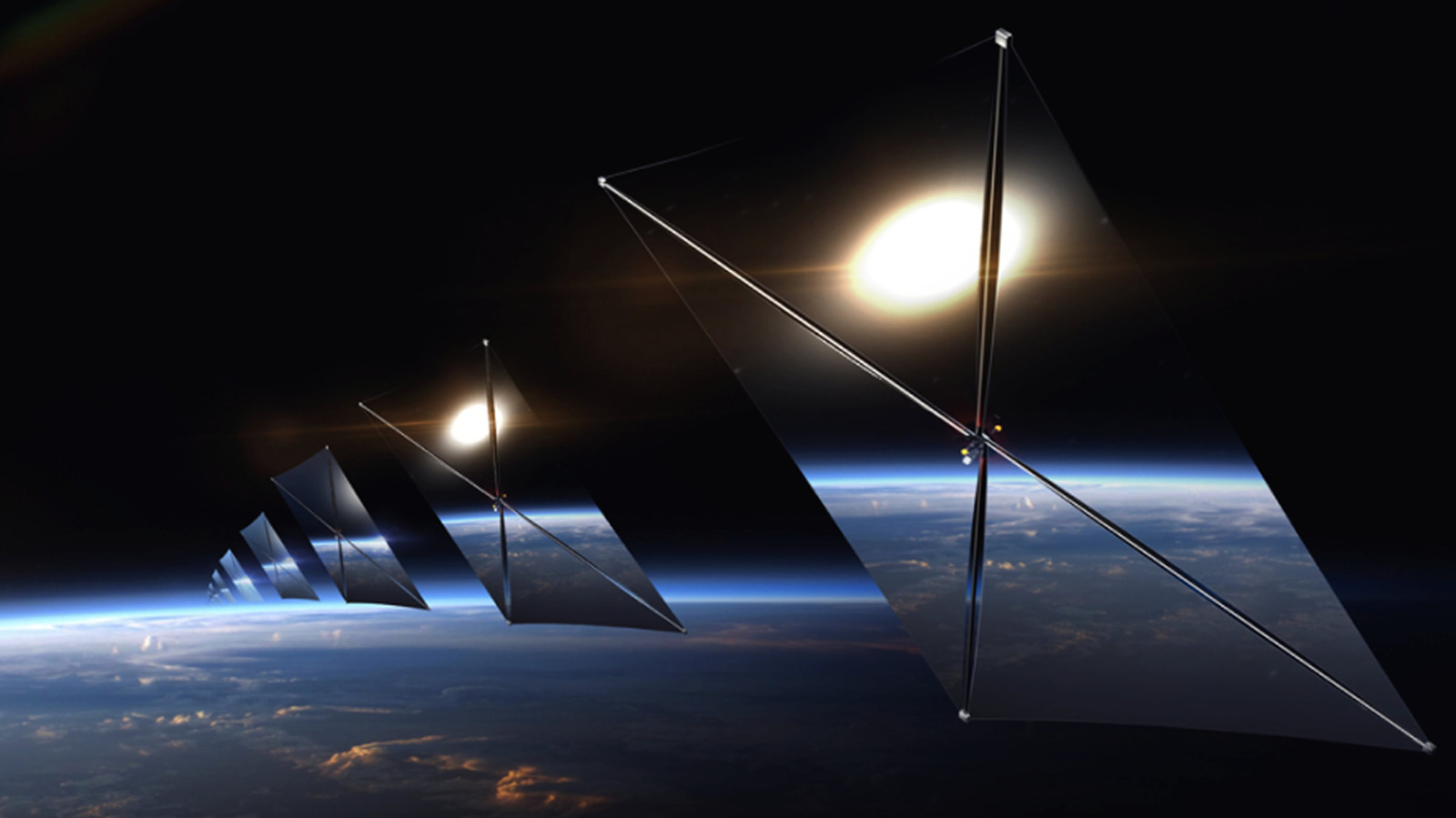
The prototype satellite, named Eärendil-1, is intended to test the feasibility of "sunlight on demand." Reflect Orbital plans to launch the craft later this year using SpaceX Falcon 9 rockets. The satellite will operate at an altitude between 600 and 650 kilometers, utilizing a built-in propulsion system to maneuver and avoid collisions.
At the center of the mission is an 18-meter by 18-meter aluminized Mylar reflector. Weighing 16 kg, the "highly specular, thin-film reflector" creates a surface area of 324 square meters. Once deployed, the mirror will project a moving beam of sunlight onto the ground, creating a light spot approximately 3 to 5 kilometers wide. The expected brightness on the Earth's surface is 0.1 lux, which is comparable to the light of a full moon.
Reflect Orbital envisions the technology powering solar farms after sunset or illuminating disaster zones for search-and-rescue teams. The company cited "extraordinary global demand" for these services, noting recent requests for assistance following an earthquake in Venezuela. Other proposed applications include military operations, agriculture, construction, and large outdoor events.
Scientific and Environmental Backlash
The proposal has faced intense opposition from the scientific community, resulting in over 1,800 public comments sent to the FCC. The American Astronomical Society (AAS) met with FCC staff to argue that the application is fundamentally different from standard telecommunications satellites because it is designed to be as bright as possible.
"AAS opposes the granting of a license to Reflect Orbital, because this application is fundamentally different from those for telecommunications satellites. The proposed satellite would be intentionally reflecting sunlight on Earth and is designed to be as bright as possible, making impacts on astronomical research extremely challenging to mitigate."
American Astronomical Society, via Engadget
Astronomers warn that a full constellation could create bright trails across images, increase overall sky glow, and interfere with observations of faint celestial objects. The European Southern Observatory warned that Reflect Orbital's satellites could become the brightest artificial objects ever placed in orbit. Other critics raised concerns regarding human sleep patterns, nocturnal wildlife, and aviation safety.
Safety risks include "temporary flash blinding" for drivers and pilots. The AAS further claimed the reflection could cause eye damage to amateur astronomers. Reflect Orbital has acknowledged this risk specifically for those using telescopes with an aperture larger than 12 inches.
Regulatory Scope and the "Public Interest"
In its memorandum opinion and order, the FCC declined to block the project based on environmental or health concerns. The commission stated that such issues are unrelated to the Commission's role in authorizing use of radiofrequency spectrum
and that the agency lacks the mandate to conduct environmental reviews for these operations.
The FCC instead cited the Communications Act, which encourages the provision of new technologies. The regulator determined that the demonstration satellite is in the public interest as a way to advance American leadership in space. The commission noted that the current grant is for a single satellite, not the thousands described in the company's long-term plans, and argued that risks associated with one satellite were not demonstrated with specificity.
James Verner, a director at Dark Sky UK, questioned the current regulatory framework: "If the regulator licensing these satellites has no mandate to examine what they actually do to the sky or the Earth below, then who does?"
Future Constellation Plans
While Eärendil-1 is a single test mission, Reflect Orbital's long-term business strategy is far more ambitious. The company envisions a "Starlink-esque" network, with plans to deploy thousands of mirrors by the end of the decade and potentially more than 50,000 satellites by 2035.
To mitigate disruption, Reflect Orbital stated it will:
- Reflect light only during predetermined times.
- Warn researchers in advance of satellite use.
- Avoid reflecting light near protected areas or observatories.
- Angle mirrors away from Earth when not in use.
The company is also commissioning third-party research on its technology's impact and is working toward a coordination agreement with the National Science Foundation. To address orbital debris, Reflect Orbital must ensure each satellite is deorbited within 25 years of the end of its mission.
The Eärendil-1 mission will serve as the first of several test missions to provide real-world data on the design and operational practices of future mirror constellations.
How significant is this development?
Participate in our community survey on the trajectory and real-world impact of this news.