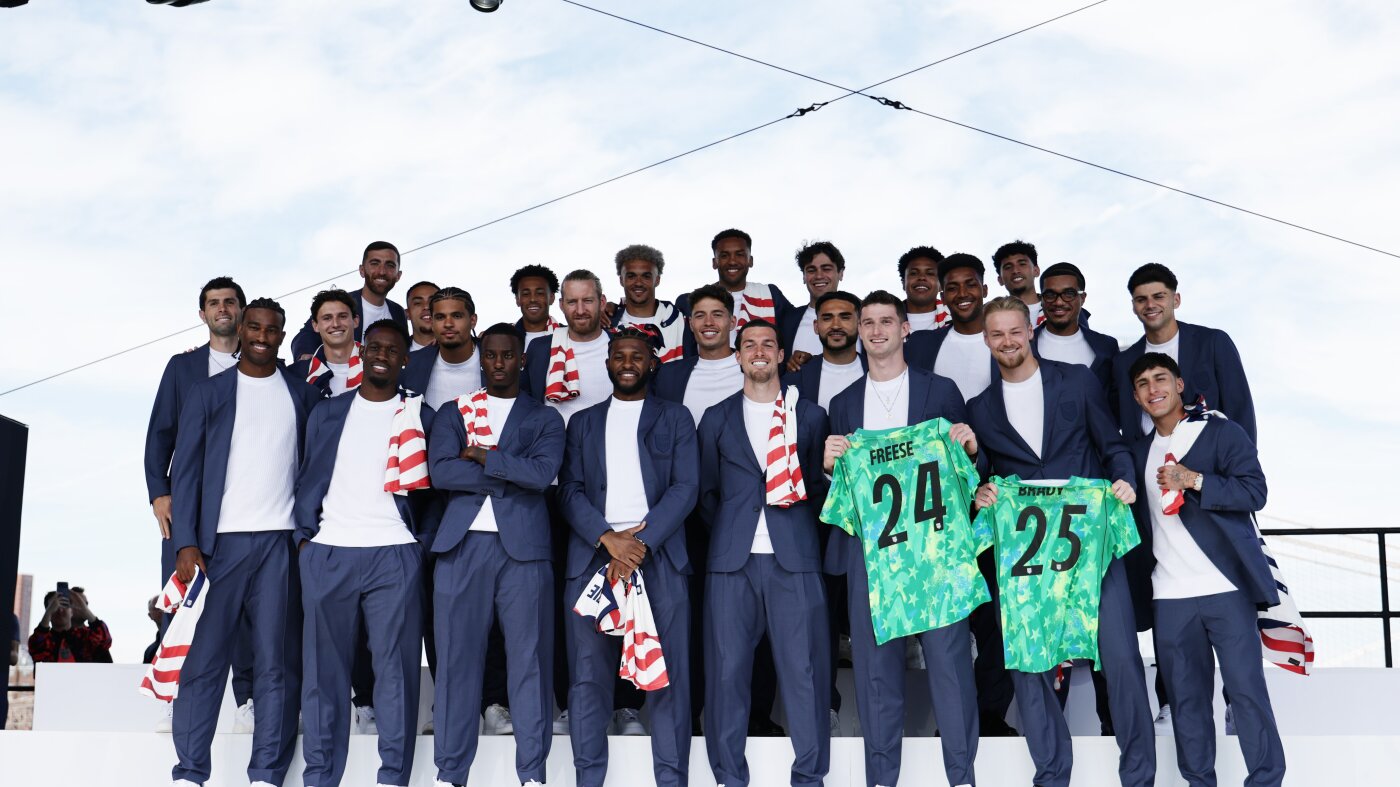
The U.S. Men’s National Team has revealed its 26-player roster for the 2026 FIFA World Cup, with coach Mauricio Pochettino making bold choices in a squad that blends experience with fresh faces ahead of the tournament’s historic expansion to 48 teams. The announcement in New York City on Tuesday marked the first time the World Cup will be hosted in the U.S. since 1994, with games spanning 16 cities across North America. Among the standout selections: Christian Pulisic, Tyler Adams, and Weston McKennie, alongside a surprise inclusion—Club América forward Alejandro Zendejas, who had not played for the USMNT since September 2025. The roster also features five players from Pennsylvania and New Jersey, including Premier League midfielder Brenden Aaronson and former MLS Goalkeeper of the Year Matt Turner.
Pochettino’s Bold Midfield Gamble
Pochettino’s most controversial omission is Lyon midfielder Tanner Tessmann, who had been considered a lock for the tournament despite a recent muscle injury. According to The New York Times, Tessmann’s exclusion leaves a “Tanner Tessmann-sized hole” in the USMNT’s midfield, where Tyler Adams remains the only defensive-minded player outside MLS. The coach’s rationale remains unclear—Tessmann’s injury was reportedly not severe enough to rule him out, and his form at Lyon had dipped, but the decision has left analysts questioning Pochettino’s tactical adjustments. With Adams as the sole anchor, the midfield could now rely on Cristian Roldan or Sebastian Berhalter to step into a deeper role, though both options carry risks: Roldan’s MLS experience may not translate seamlessly to World Cup pressure, while Berhalter’s inclusion raises questions about his ability to replicate his club form on the world stage.
Pochettino’s confidence in the squad was underscored by his statement: “We are confident this is the best group of 26 players to help us achieve success at the World Cup,” he said in a news release. “These were very difficult decisions, and we are thankful to all the players who were part of this journey.” The coach’s words echo the high stakes of the tournament, where the USMNT will face stiff competition in a group that includes powerhouses like Argentina and Poland. The roster’s balance of veterans and newcomers—half of whom played in the 2022 World Cup—suggests a team built for resilience, though the midfield reshuffle could test that stability.

“We are confident this is the best group of 26 players to help us achieve success at the World Cup.”
—Mauricio Pochettino, via NPR
Analysts note that the midfield’s depth chart now hinges on Adams’ ability to replicate his form from the 2022 World Cup, where he played every minute of the team’s knockout-stage elimination against the Netherlands. Adams, who currently plays for Leeds United, has been a consistent performer in the Premier League this season, logging over 3,000 minutes in all competitions. However, his defensive contributions have been uneven, with some matches showing a lack of positional discipline in high-pressure moments. The absence of Tessmann, who had been a reliable presence in both defensive and offensive transitions, creates a void that could be exploited by opponents with quick counterattacks.
Pochettino has emphasized the need for adaptability in the midfield, stating in a pre-roster press conference that “we need players who can rotate positions and understand the game beyond their primary role.” This flexibility will be critical in the tournament’s expanded group stage, where teams will play three matches in 27 days. The midfield trio of Adams, Roldan, and Berhalter will need to cover a range of tactical demands, from pressing high to dropping deep to shield the defense.
The Pennsylvania-New Jersey Pipeline
Five players from Pennsylvania and New Jersey will represent the U.S. at this year’s World Cup, reflecting the depth of talent emerging from the region’s soccer hotbeds. Among them, Christian Pulisic—now playing for AC Milan—remains the team’s most high-profile star, while Brenden Aaronson, a former Philadelphia Union midfielder now at Leeds United, adds Premier League experience to the squad. The roster also includes Auston Trusty, a center back from Celtic, and Matt Freese, a Harvard graduate currently with New York City FC. According to CBS News, these players bring a mix of club-level success and national team pedigree, with Freese and Turner (another goalkeeper from the region) providing depth in goal.
Aaronson’s inclusion is particularly notable given his recent rise at Leeds United, where he has become a key figure in the midfield. His ability to cover both central and box-to-box roles has earned him recognition as one of the Premier League’s most underrated players. Trusty, meanwhile, has been a mainstay in Celtic’s defense, known for his aerial dominance and leadership. His selection signals a continued focus on developing defenders who can thrive in Europe’s top leagues.

The roster’s regional representation extends beyond the field, with several players holding ties to local communities. Pulisic, who grew up in Hershey, Pennsylvania, and Aaronson, from Radnor, have become ambassadors for the sport in their home states. Their presence on the World Cup roster is expected to generate significant local interest, particularly in Philadelphia, where the team will have a strong fan base despite not playing in any group-stage matches at Lincoln Financial Field.
Turner, who won MLS Goalkeeper of the Year in 2024, will serve as the team’s primary starter, with Ethan Horvath of Manchester United providing backup. Turner’s consistency in goal has been a bright spot for the USMNT, particularly during the 2022 World Cup, where he made several crucial saves in the knockout-stage loss. His experience in both MLS and the Premier League adds a layer of reliability to the squad’s defensive structure.
Debuts and Second Chances
Thirteen players on the roster will make their World Cup debuts, including Ricardo Pepi, a PSV Eindhoven forward who was widely regarded as the biggest snub in the 2022 tournament. Pepi’s inclusion, along with defenders Chris Richards and Miles Robinson—both of whom missed out in 2022 due to injury—reflects Pochettino’s willingness to take chances on players who have proven themselves in club soccer. The most surprising debut, however, may belong to Alejandro Zendejas, a forward who currently plays for Club América in Mexico. According to NPR, Zendejas had earned limited minutes under Pochettino and had not played for the USMNT since September 2025, making his selection a gamble. His inclusion could signal Pochettino’s intent to integrate more players with dual heritage, a trend that has grown in recent years.
Zendejas’ selection adds a tactical dimension to the attack, as his ability to play as a false nine or wide forward could create additional space for Pulisic and Pepi. His experience in Mexico’s Liga MX, one of the most competitive leagues in the world, could provide an edge in the tournament’s physical and fast-paced matches. However, his limited national team experience raises questions about his ability to perform under the pressure of World Cup competition.
The roster’s mix of veterans and rookies also includes players like Haji Wright, who scored the USMNT’s only goal in the 2022 knockout-round loss to the Netherlands. Wright’s return, along with Tim Weah and Pulisic, ensures continuity from the last World Cup, while the influx of newcomers adds youth and energy. The balance between experience and fresh faces is critical, especially given the tournament’s expanded format, which will test the team’s ability to adapt across multiple games in a short period.
Pepi, in particular, has been a standout performer for PSV Eindhoven this season, scoring 12 goals in the Eredivisie. His physical presence and aerial ability make him a dangerous target in the penalty box, and his inclusion could provide a much-needed goal-scoring threat alongside Pulisic. Richards and Robinson, both of whom have been key defenders in their respective clubs, add depth to a backline that will need to withstand the physical challenges of the tournament.
What Comes Next: Training and Tournament Prep
The USMNT will head to its training center in Georgia following the roster announcement, where they will prepare for two friendly matches before the tournament begins in just over two weeks. The team’s schedule is grueling, with games set to take place across 16 cities in the U.S., Mexico, and Canada—a logistical challenge that will test the players’ endurance and adaptability. While the team is unlikely to play in any of the games at Lincoln Financial Field in Philadelphia, the possibility of a Round of 16 playoff match on the Fourth of July adds a layer of excitement for local fans.
The tournament itself kicks off on June 11, with the USMNT’s first match scheduled for June 14 against Saudi Arabia at AT&T Stadium in Arlington, Texas. The group stage will feature a mix of familiar rivals and new challenges, including potential showdowns with Argentina, Poland, and Saudi Arabia. Pochettino’s tactical flexibility will be put to the test, particularly in midfield, where the absence of Tessmann and the reliance on Adams could determine the team’s success. The coach’s ability to manage the squad’s chemistry and adapt to opponents will be key, especially as the tournament progresses into the knockout stages.
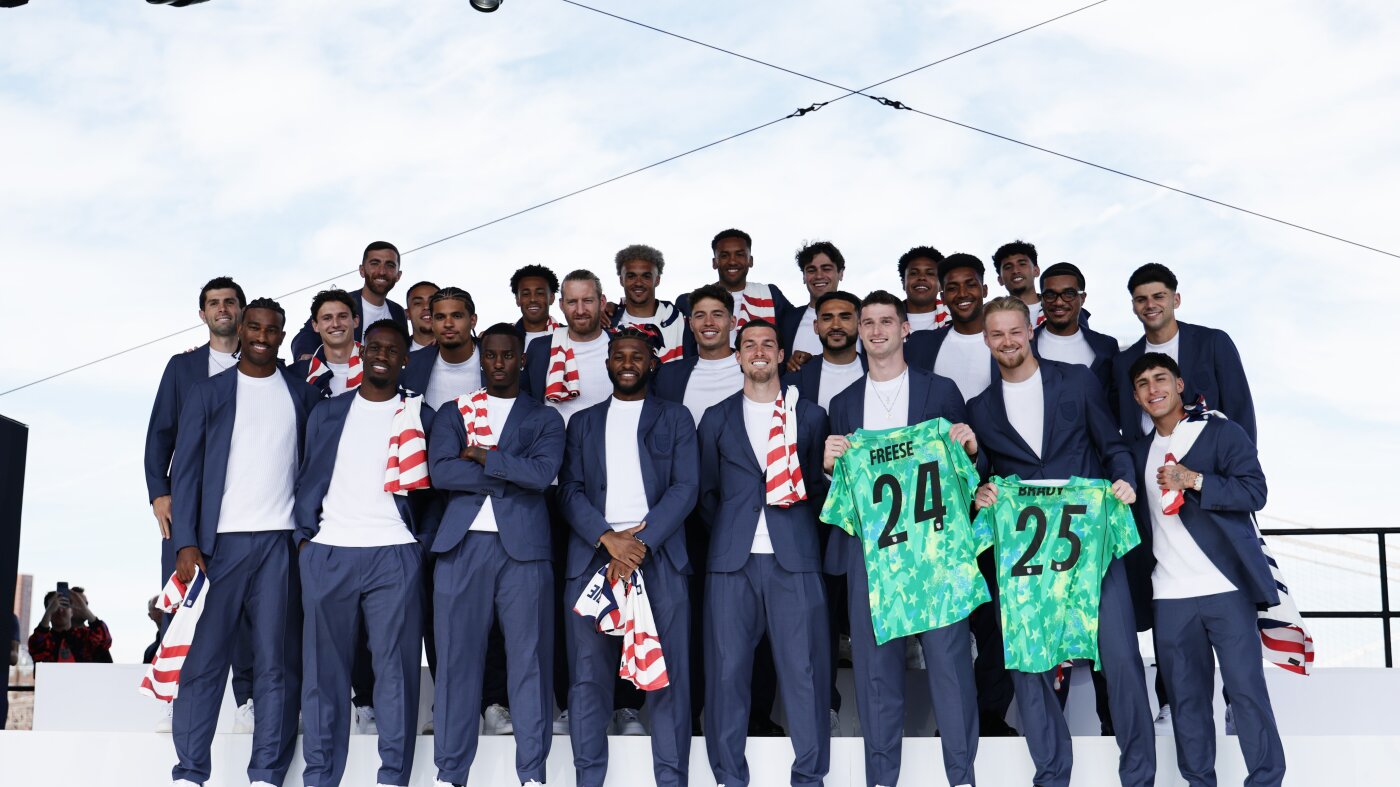
The team’s preparation will include a focus on travel logistics, as players will need to adjust to different time zones and climates across the tournament’s host countries. The USMNT’s training camp in Georgia will prioritize high-intensity sessions to simulate the physical demands of playing three matches in 27 days. Pochettino has indicated that the team will also work on set-piece strategies, as these have been a weakness in recent international competitions.
The two friendly matches before the World Cup will serve as crucial tune-ups. The first game, scheduled for June 5 against a select squad of MLS All-Stars, will allow the team to test its depth and tactical systems. The second friendly, against a European club team, will provide a more competitive environment to assess the players’ readiness for the tournament.
The Bigger Picture: A Team Built for History
The 2026 World Cup marks the first time the tournament has been held in the U.S. since 1994, when it helped spark a soccer boom that led to the formation of Major League Soccer and widespread youth participation. This year’s event is not only larger—with 48 teams instead of 32—but also more diverse, reflecting the global growth of the sport. The USMNT’s roster, with its blend of domestic and international talent, embodies that evolution. Players like Pulisic, who began his career in Germany and has since played in the Premier League and Serie A, represent the new generation of American soccer stars who are no longer bound by geographic limitations.
Yet challenges remain. The midfield reshuffle, the integration of newcomers, and the pressure of performing in front of home crowds will demand everything from this squad. Pochettino’s leadership will be scrutinized as the team navigates a tournament where every game counts. The stakes are high—not just for the players, but for the future of American soccer. Success in 2026 could cement the USMNT’s place among the world’s elite, while struggles could leave the team searching for answers in the years ahead.
One thing is certain: the road to the World Cup has been a journey of highs and lows, of injuries and comebacks, of second chances and bold gambles. As the team prepares to take the field, the question isn’t just whether they can compete—it’s whether they can rise to the occasion and write their own chapter in soccer history.
The tournament’s expanded format also introduces new variables, including the potential for more physical play and tactical adjustments to accommodate the increased number of matches. The USMNT’s ability to manage fatigue and maintain consistency will be critical, particularly in the knockout stages, where momentum can shift quickly. Pochettino has emphasized the importance of mental resilience, stating that “the mental game is as important as the physical game in a tournament of this magnitude.”
For players like Pulisic and Adams, the World Cup represents a chance to build on their individual success and contribute to a team effort on the world stage. Their leadership will be essential in guiding the younger players through the challenges of the tournament. The inclusion of debutants like Zendejas and Pepi also signals a commitment to developing the next generation of American soccer talent, ensuring that the team’s success is not dependent on a single generation of players.
As the team prepares for its historic campaign, the focus remains on the task at hand: delivering a strong performance in the group stage and advancing deep into the knockout rounds. The USMNT’s journey will be watched closely by fans and analysts alike, with the potential to redefine the team’s trajectory in the years to come.
