Albanese targets ‘right-wing parties’ identity crisis
Prime Minister Anthony Albanese has taunted the Liberal, National, and One Nation parties over their identity amid shifting polls and internal turmoil.
- Headline Dispatch: Albanese targets ‘right-wing parties’ identity crisis
- Core Takeaway: Prime Minister Anthony Albanese has taunted the Liberal, National, and One Nation parties over their identity amid shifting polls and internal turmoil.
- Source Synthesis: Continuous live monitoring aggregated across major news wires and independent bureaus.
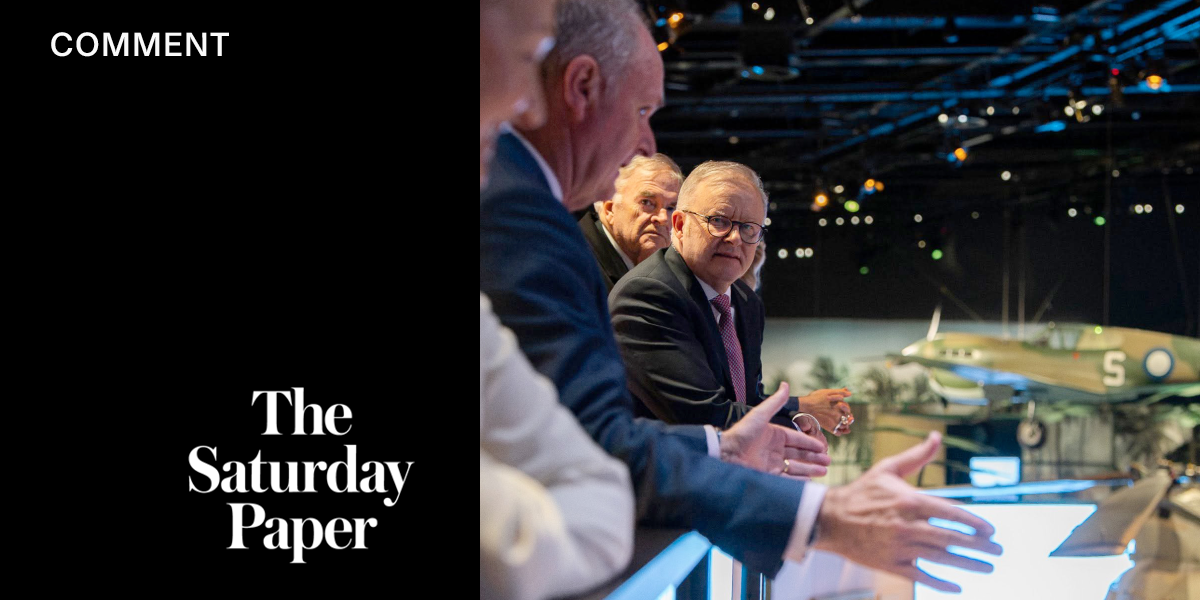
Albanese targets ‘right-wing parties’ identity crisis
In parliament this week, the prime minister taunted what he termed the three right-wing parties
, asserting that the nation currently faces a Liberal Party that is not liberal, a National Party that is not national, and a One Nation Party that seeks to divide the country.
The offensive comes as Labor insiders express confidence that the government has neutralized the threat of One Nation, while the Coalition continues to struggle. This strategic positioning coincides with the start of the new financial year on Wednesday, which saw the implementation of budget reforms. Treasurer Jim Chalmers stated on Sunday that the government is utilizing the power of incumbency to provide cost-of-living assistance, arguing that real change in the tax system and housing market serves as the best antidote to voter anger.
Right-wing instability and polling shifts
The Coalition is facing internal turmoil following record low primary votes in Newspoll. Liberal leader Angus Taylor was questioned on Radio 2GB regarding his tenure, with the interview noting that while his predecessor Sussan Ley was removed after hitting 18 per cent, Taylor now sits at 17 per cent. Taylor responded that rebuilding trust would take time, citing the Morrison government's betrayal of small government beliefs during the pandemic.
Internal fractures have led to public calls for change. Outer Sydney MP Melissa McIntosh told Sky News that the Liberal Party should consider a rebrand, suggesting current policies do not resonate with modern Australia. This sparked backlash from colleagues, one of whom called the intervention a brain fart
. Conversely, Andrew Hastie has resisted rebranding, arguing the party possesses 82 years of political capital. However, reports suggest Hastie faces his own obstacles to leadership due to conflicts with party president Tony Abbott and billionaire backers Gina Rinehart and Kerry Stokes over his stance on the Ben Roberts-Smith war crimes saga.
Meanwhile, One Nation is experiencing a decline in momentum. The Guardian Essential poll showed support for the party dropping two points, leaving it four points below Labor's improved primary vote. Pollster Peter Lewis suggested the party's support may be plateauing. Data reveals a resounding rejection of One Nation's core proposals: only 10 per cent of Australians support shutting down the federal Health Department, 20 per cent support ending multiculturalism, and 18 per cent support reviewing work laws to increase employer power.
The 'monoculture' clash
The struggle for identity was highlighted by Pauline Hanson's recent speech to the National Press Club. A senior Labor adviser described the event as a watershed moment where Hanson failed badly
. Pollster Kos Samaras noted that Hanson's positions on prioritizing a monoculture
over multiculturalism and her opposition to paid parental leave provided a measurable glimpse of her intended policy direction.
Hanson attempted to clarify her views in parliament, using the Socceroos as an example of people from different backgrounds uniting under one set of rules. She further suggested that the return of figures like Norman Gunston and Paul Hogan would represent essential features of Australian monoculture. Paul Hogan, now 86 and living in California, rejected this in an interview with the Australian Financial Review, stating that migration and different cultures made Australia what it is today and calling Hanson outrageous, so racist
.
Labor's strategic challenges
Despite current polling gains — where Labor rose in five recent polls while the Coalition dipped in three — critics argue the government is vulnerable. Some analysts suggest a parallel between the Australian Labor Party and the French Socialist Party, which saw its vote share plummet from 29 per cent in 2012 to 6.36 per cent in 2022 after aligning with radical leftist factions.
Labor's "new politics" strategy, which emphasizes collaboration and small targets, has faced difficulties in governance. The government has been criticized by business groups over industrial relations measures, including multi-employer bargaining and minimum wage increases. Additionally, the failure of the Voice referendum, which saw 60.1 per cent of voters choose No, left the government's strategy for countering right-wing populism in disarray.
The government is currently sandwiched between the Coalition and the Greens, with both parties stymying attempts to address the housing supply crisis. While Treasurer Jim Chalmers argues that current spending prevents a recession and maintains a budget surplus, the Coalition contends that this spending exacerbates inflation.
How significant is this development?
Participate in our community survey on the trajectory and real-world impact of this news.