Iraq loses more than $40 billion in revenue as war with Iran disrupts oil exports
Iraq has lost over $40 billion in revenue due to a sharp decline in oil exports following a blockade of the Strait of Hormuz by Iran.
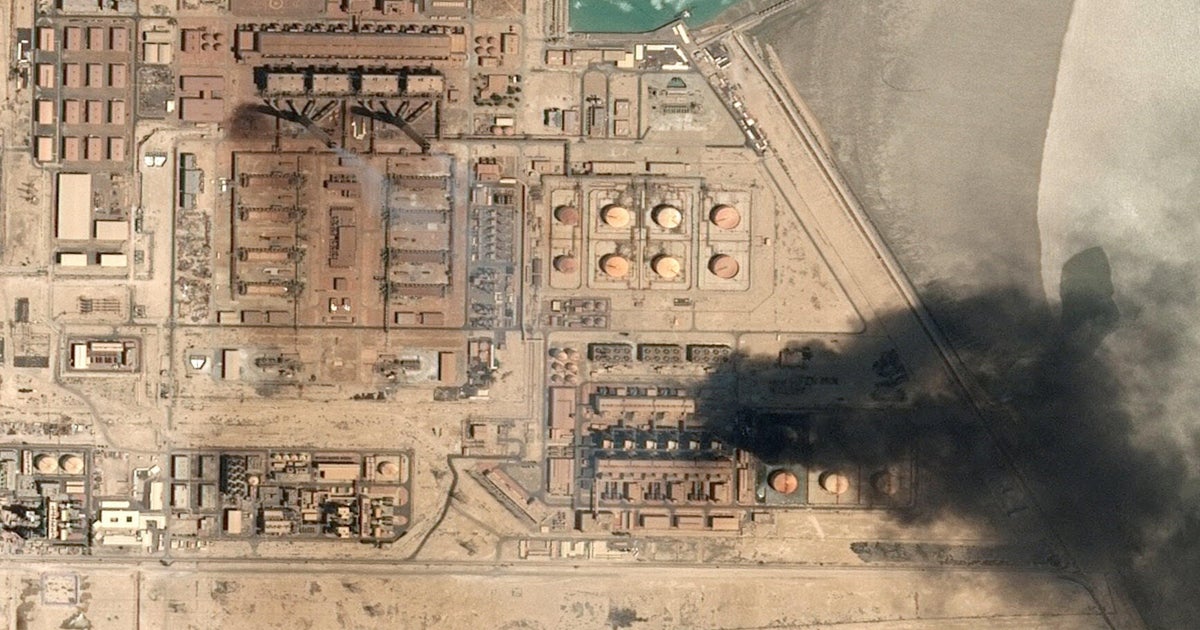
Iraq loses more than $40 billion in revenue as war with Iran disrupts oil exports
Iraq has lost more than $40 billion in revenue since the start of the conflict with Iran, primarily due to a sharp decline in oil exports, according to a government official on Wednesday, July 22, 2026.
The economic blow follows a blockade of the Strait of Hormuz by Iran and wider conflict that has forced production cuts in key oil-producing nations. Before the war began with U.S.-Israeli strikes on Iran in late February, Iraq produced approximately 4 million barrels per day and exported an average of 3.5 million barrels per day, the majority of which moved through the Strait of Hormuz.
Iraqi Oil Minister Bassem Mohammed Khudair stated during a Tuesday television interview that his ministry used to put between $7 to $8 billion a month
into the state coffers. Currently, the OPEC founding member has been forced to halt production in most oil fields as reservoirs fill, leaving exports limited to routes through Syria and Turkey.
Escalation in the Strait of Hormuz
The financial crisis in Iraq coincides with a surge in global energy prices. Brent Crude touched $95 a barrel early Wednesday, representing a $20 increase since attacks resumed on July 7. Oil prices jumped roughly 4% on Wednesday amid the escalating hostilities.
President Donald Trump announced Wednesday via Truth Social that the U.S. Will bomb and destroy ONE BRIDGE OR POWER PLANT
, including those in or near Tehran, for every new Iranian attack on a ship in the Strait of Hormuz. This threat follows 11 consecutive nights of U.S. Strikes targeting military logistics, drone storage, and aircraft hangars to degrade Iran's ability to threaten shipping.
Despite assertions from U.S. Central Command (CENTCOM) that the Strait of Hormuz remains open for commercial traffic, shipping remains sparse. The Joint Maritime Information Center in Bahrain reported that commercial traffic hit a three-week low on Tuesday. CBS News tracked only three commercial ships transiting the strait on that day: two cargo vessels and the Chinese-owned tanker Hsin Ocean.
Between July 13 and 19, only two ships used the U.S.-backed southern route along the coast of Oman, both of which operated with their AIS broadcast systems turned off. Dimitris Maniatis, CEO of Marisks, told CBS News that while nothing physically obstructs navigation, crews lack the safety feeling required to transit, and nothing is going through
regarding large, internationally operated merchant vessels.
Military Casualties and Regional Conflict
The conflict has resulted in significant casualties. The Iranian Ministry of Health reported that 53 people were killed and 592 injured between June 27 and July 22, including six women and three children. Among the injured are 23 individuals under the age of 18, according to official Hossein Kermanpour.
On Wednesday, President Trump traveled to Dover Air Force Base in Delaware for the dignified transfer of fallen U.S. Service members. Among them were three soldiers killed during an attack on the Muwaffaq Salti Air Base in southern Jordan: 25-year-old Lt. Tyler James Feehan, 19-year-old Pvt. Isabella Gonzales, and 28-year-old Sgt. Angel S. Rampersad. Additionally, 30-year-old Sgt. Michael Emmanuel Swinton was killed at Erbil Air Base in northern Iraq during the controlled detonation of an Iranian drone.
In total, the war has caused 18 American casualties, exceeding the 13 military personnel killed during the 2021 withdrawal from Afghanistan.
Expanding Theater of War
The conflict is widening across the region:
- Jordan: The European Union's Aviation Safety Agency warned airlines against flying in Jordanian airspace on Wednesday. Jordan's army reported intercepting four Iranian missiles Wednesday, while two others landed in uninhabited areas.
- Red Sea: The Iranian-backed Houthi rebels have threatened to block the Bab el-Mandeb strait. President Trump stated he would
take care of
the rebels if they block Saudi Arabia's Red Sea ports. - Lebanon: Italy is scheduled to host a seventh round of direct talks between Israel and Lebanon on Aug. 4 to reach a peace deal and end the war between Israel and Hezbollah.
While the U.S. Maintains that Iran has requested a meeting to resume negotiations, Iranian parliament spokesperson Hasan Ghashghavi called the claim completely unfounded
on Wednesday. U.S. Secretary of State Marco Rubio stated that strikes would continue until Tehran becomes serious
about negotiations.


