Mojtaba Khamenei pledges revenge for father Ali Khamenei's death
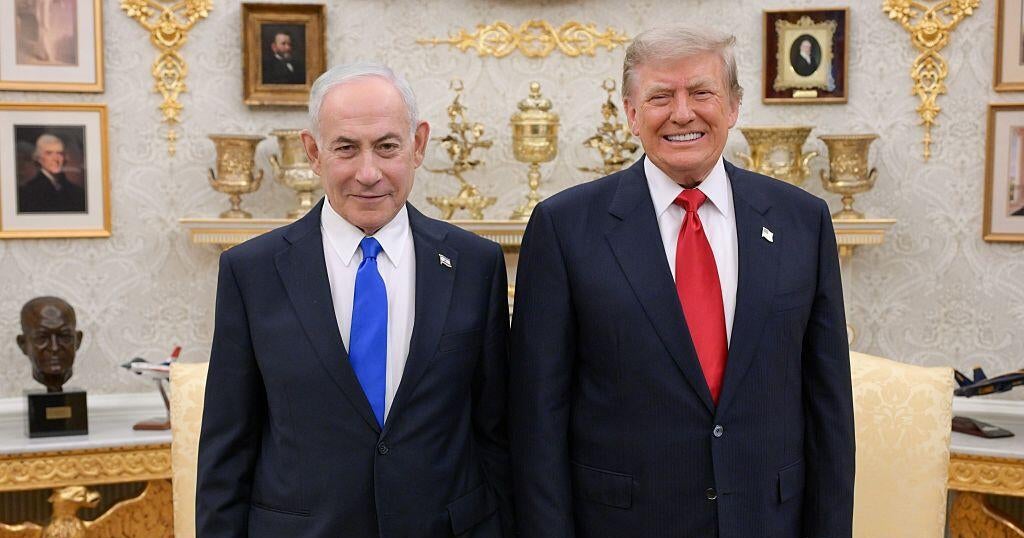
Iran's new Supreme Leader Mojtaba Khamenei has pledged vengeance for his father's killing, sparking a fierce response from President Donald Trump.
- Headline Dispatch: Mojtaba Khamenei pledges revenge for father Ali Khamenei's death
- Core Takeaway: Iran's new Supreme Leader Mojtaba Khamenei has pledged vengeance for his father's killing, sparking a fierce response from President Donald Trump.
- Source Synthesis: Continuous live monitoring aggregated across major news wires and independent bureaus.
Mojtaba Khamenei pledges revenge for father Ali Khamenei's death
Iran's new Supreme Leader Ayatollah Mojtaba Khamenei has vowed vengeance for the death of his father and predecessor, following the conclusion of weeklong funeral ceremonies for Ayatollah Ali Khamenei. In a written message released Saturday, July 11, 2026, via Telegram and state media, the 56-year-old leader stated that revenge is the demand of our nation and must certainly be carried out
.
The late Ayatollah Ali Khamenei, who ruled for 37 years, was killed on February 28 during a U.S.-Israeli airstrike that marked the beginning of the current war. His body was taken to five cities across Iran and Iraq before being laid to rest Thursday at the shrine of Imam Reza, the holiest Shia Muslim site in Iran.
Mojtaba Khamenei’s statement emphasized that the mission of revenge is divine
and would be accomplished regardless of his personal presence or that of other officials. He added that soon, the free people of the world will carry out a part of this divine mission
and claimed that Iran has already compiled a list of target individuals.
Leadership Uncertainty and Health Rumors
Despite his appointment to the position of supreme leader on March 8 with the support of the Revolutionary Guards, Mojtaba Khamenei has not appeared in public since before the war began. No audio recordings, photos, or videos of him have been released since the February 28 attack.
Sources have indicated that the younger Khamenei was seriously wounded in the same airstrike that killed his father, sister, and wife. Reports suggest he suffered facial disfigurement and other injuries, though Iranian officials have downplayed these claims. This continued absence has fueled rumors regarding his health and capacity to lead, with some Iranians calling for the leader to be seen even if he is injured.
Escalation and U.S. Response
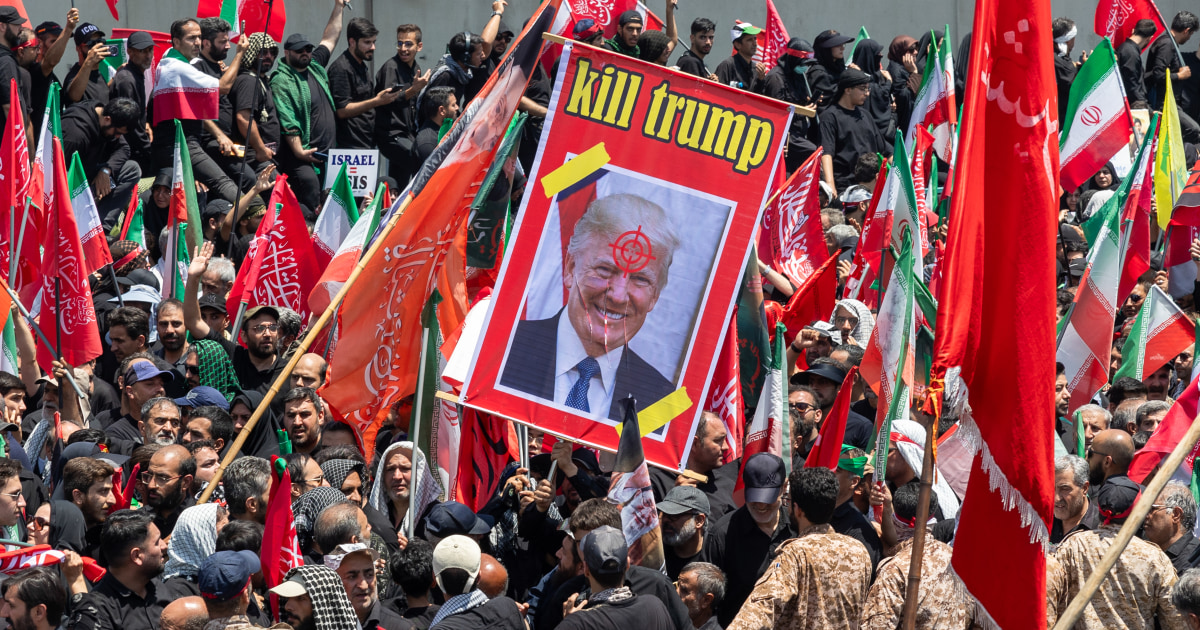
The pledge of revenge follows a surge in tensions and an exchange of fire this week that has threatened a recent interim deal. President Donald Trump reacted to the atmosphere of the funeral — which included English-language banners calling for the deaths of Trump and Israeli Prime Minister Benjamin Netanyahu — with warnings of total destruction.
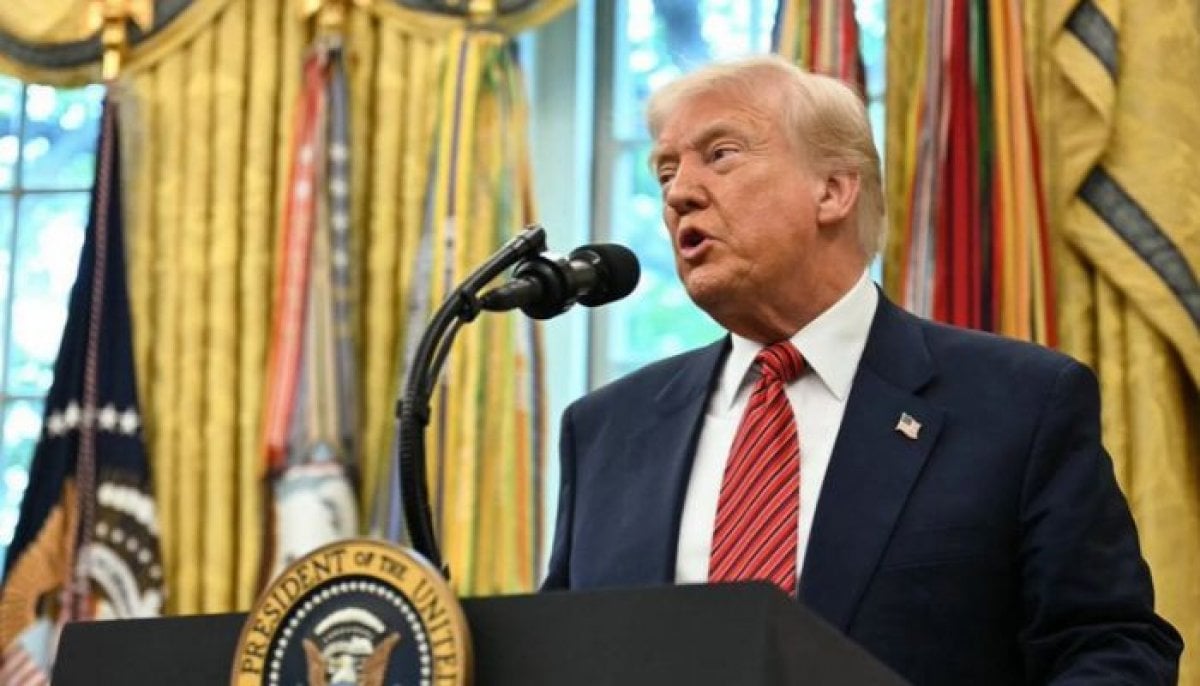
Writing on Truth Social, Trump stated that 1000 Missiles are Locked and Loaded and aimed at the Islamic Republic of Iran
, with thousands more to follow if the Iranian government attempts to assassinate him. Trump said he has instructed the U.S. Military to completely decimate and destroy all areas of Iran
should such an event occur. These warnings follow reports from the Wall Street Journal that Israel shared intelligence with Washington regarding an Iranian assassination plot against the U.S. President.
Trump also declared that the ceasefire is OVER!
, although he mentioned that the two countries had agreed to continue talks, which he described as a waste of time
.
The Struggle for the Strait of Hormuz
A primary obstacle to a final peace agreement is the control of the Strait of Hormuz. Iran has closed the waterway to commercial shipping during the conflict and now insists the strait must be under its sole control, announcing plans to charge fees for vessel passage. This contradicts the long-held international view of the strait as an international waterway.
Recent hostilities were sparked after Iran attacked three ships in the strait earlier this week, claiming they deviated from approved routes. The U.S. Responded with a heavy bombing campaign targeting approximately 90 sites in Iran. According to Tehran's health ministry, these strikes killed 17 people and injured 115.
The conflict has caused a global energy crisis, though oil prices have dropped from wartime highs of $120 a barrel. Washington has demanded a public statement from Iran confirming the strait is open and that ships will not be attacked.
Diplomatic Efforts
Despite the rhetoric, diplomatic channels remain active:
- Qatar: A Qatari delegation visited Iran on Friday, July 10, to reinforce its role as a mediator. The Emir of Qatar also spoke with Pakistani Prime Minister Shehbaz Sharif.
- Oman: Iranian Foreign Minister Abbas Araghchi traveled to Oman on Saturday to discuss the administration of the strait with his Omani counterpart.
- Switzerland: One round of direct talks has occurred in Switzerland since the signing of a memorandum of understanding last month.
While Foreign Minister Araghchi asserted that Tehran has kept its word and demanded mutual compliance
, specifically criticizing the U.S. For ending waivers that allow Iran to sell crude oil in U.S. Dollars, other officials remain defiant. Chief negotiator Mohammad Bagher Ghalibaf stated that the confrontation will never end with Iran's surrender
.
How significant is this development?
Participate in our community survey on the trajectory and real-world impact of this news.