US demands Iran guarantee open transit in Strait of Hormuz
President Donald Trump has declared an interim ceasefire over as the US pressures Iran to cease attacks on ships and guarantee open transit in the Strait of Hormuz.
- Headline Dispatch: US demands Iran guarantee open transit in Strait of Hormuz
- Core Takeaway: President Donald Trump has declared an interim ceasefire over as the US pressures Iran to cease attacks on ships and guarantee open transit in the Strait of Hormuz.
- Source Synthesis: Continuous live monitoring aggregated across major news wires and independent bureaus.

US demands Iran guarantee open transit in Strait of Hormuz
The United States is demanding that Iran issue a public declaration stating the Strait of Hormuz is open and that Tehran will cease attacks on ships crossing the waterway, senior U.S. Officials said Friday. The demand follows a breakdown in an interim ceasefire and a surge in regional hostilities.
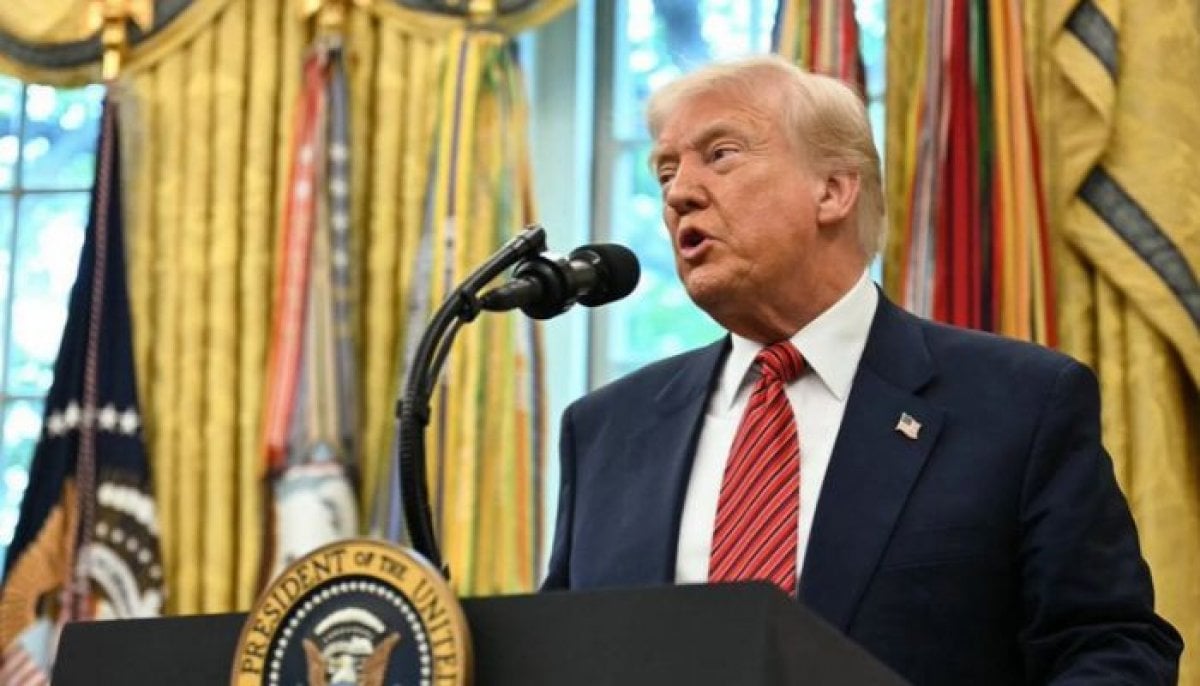
President Donald Trump announced on social media Friday that he considers the interim ceasefire deal OVER!
However, the president stated that the U.S. Will continue negotiations intended to establish a permanent end to the war. While Trump has given U.S. Negotiators limited time to secure a deal, officials noted the president maintains a wide range of options should talks fail.
The current instability is linked to internal power struggles within Iran. Senior U.S. Officials, speaking on condition of anonymity, attributed the resumption of strikes this week to a rogue faction
of Iranian hard-liners attempting to sabotage the ceasefire. These officials suggested that some Iranian leaders even informed their U.S. Counterparts that the strikes on ships were a mistake and expressed hope to continue negotiations.
Trump rejected the explanation that a hard-line faction was responsible and responded with more powerful counterattacks to ensure consequences regardless of the perpetrator. In Ankara, Turkey, on the sidelines of a NATO summit, Trump stated that the U.S. Was preparing for another night of strikes, noting We hit them very hard last night
and adding We’ll probably hit them hard again tonight
. He accused Iran of behaving very badly
by launching a missile and drones at ships.
Tehran has disputed the U.S. Position. Ambassador Amir Saeid Iravani, Iran's diplomat at the United Nations, told reporters that any activity in the Strait of Hormuz, including demining or opening operations, rests exclusively with Iran
.
"Any attempt, by external actors, to interfere with or establish a power arrangement would violate the (interim deal), and undermine its implementation, delay the restoration of normal commercial navigation, jeopardize maritime safety, and increase regional tensions,"
Amir Saeid Iravani, Ambassador, via AP
Iran has asserted that the strait must be under its sole control and that vessels should pay fees to Tehran, despite the waterway being viewed internationally for decades as an international corridor. Before the war began, about a fifth of all traded oil and natural gas passed through the strait. Iranian control during the conflict triggered a global energy crisis, though oil prices have since fallen from wartime highs of $120 a barrel.
The maritime dispute is entwined with the nuclear standoff. U.S. Officials stated that any nuclear deal would require Iran to turn over its stockpile of highly enriched uranium. If no deal is reached, the U.S. Claims it has military options to ensure the material remains buried underground forever. This material is believed to be buried following U.S. Strikes last summer, though Iran maintains its program is for peaceful purposes.
The current conflict traces back to late February, when Trump broke off nuclear talks and launched a military campaign, alleging Tehran was developing long-range missiles and rebuilding its nuclear program. The war began Feb. 28 and resulted in the deaths of Iran's longtime leader, Ayatollah Ali Khamenei, during U.S. And Israeli strikes.
Recent violence escalated Thursday with strikes hitting southern Iran as the country prepared for Khamenei's funeral. Iran responded by launching a volley of attacks targeting Qatar, Kuwait, Jordan, and Bahrain. One person was reportedly injured in Kuwait. While the Iranian theocracy has not directly blamed a specific party for the Thursday strikes, Esmail Kousari, a member of the Iranian parliament’s national security committee, warned the UAE would pay the price
for its alleged behind-the-scenes cooperation with the U.S.
Regional diplomacy is attempting to bridge the gap:
- Iranian Foreign Minister Abbas Araghchi is scheduled to meet his Omani counterpart in Oman on Saturday to discuss the strait.
- Turkish Foreign Minister Hakan Fidan expressed belief that a solution could be reached this weekend between Oman and Iran.
- Pakistani Prime Minister Shehbaz Sharif spoke Friday with Iranian President Masoud Pezeshkian and Qatar's ruling emir, Sheikh Tamim bin Hamad Al Thani, urging diplomacy and restraint.
- UAE leader Sheikh Mohammed bin Zayed Al Nahyan traveled to Kuwait for a meeting with the emir following the Iranian attacks.
Israel, which participated in the war, has not claimed any recent attacks, but Defense Minister Israel Katz warned at a military ceremony:
"If we will have to return, we will return with even greater force,"
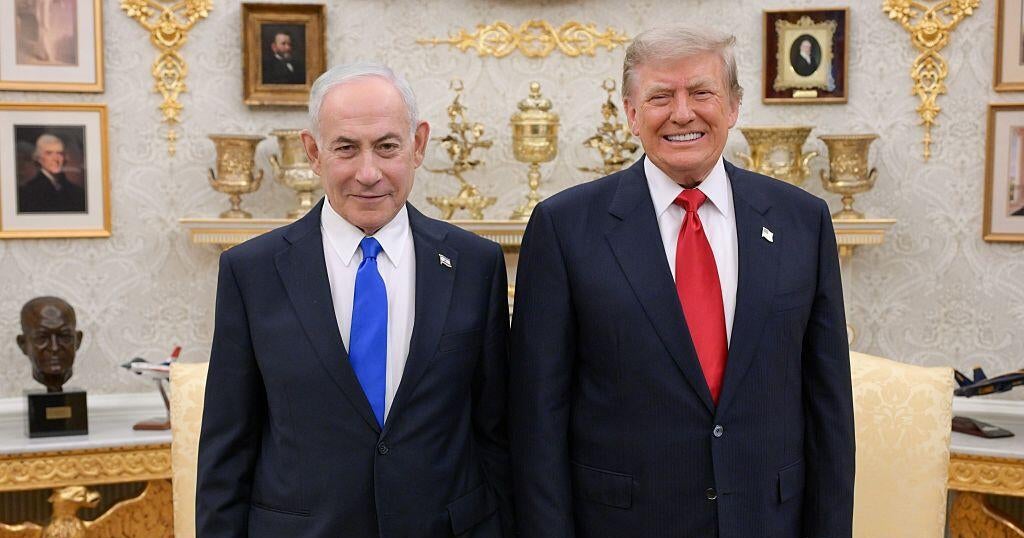
Prime Minister Benjamin Netanyahu spoke with Trump on Thursday night, receiving updates on American moves in the Gulf. Meanwhile, U.S. Central Command spokesperson Capt. Tim Hawkins stated there were no operational updates
following the president's announcement that the ceasefire had ended.
The U.S. Continues to advise mariners to use a southern route through Oman's territorial waters to avoid Iranian waters.
How significant is this development?
Participate in our community survey on the trajectory and real-world impact of this news.