Tensions escalate as Iran and U.S. continue to exchange strikes
The United States and Iran have engaged in a series of military strikes across the Middle East, jeopardizing a fragile peace deal and targeting critical infrastructure.
- Headline Dispatch: Tensions escalate as Iran and U.S. continue to exchange strikes
- Core Takeaway: The United States and Iran have engaged in a series of military strikes across the Middle East, jeopardizing a fragile peace deal and targeting critical infrastructure.
- Source Synthesis: Continuous live monitoring aggregated across major news wires and independent bureaus.
Tensions escalate as Iran and U.S. Continue to exchange strikes
The United States and Iran have engaged in a series of retaliatory military strikes across the Middle East, threatening an interim peace deal intended to end a four-month war. The escalation has seen the conflict expand closer to Tehran and involve U.S. Allies in the region.
The current cycle of violence follows a memorandum of understanding signed on 17 June, which aimed to extend a ceasefire and provide space for permanent truce negotiations. President Donald Trump has since declared the truce over
, stating on Truth Social that recent actions were in retribution for yesterday’s bombing of ships by Iran
.
Military Escalation and Targets
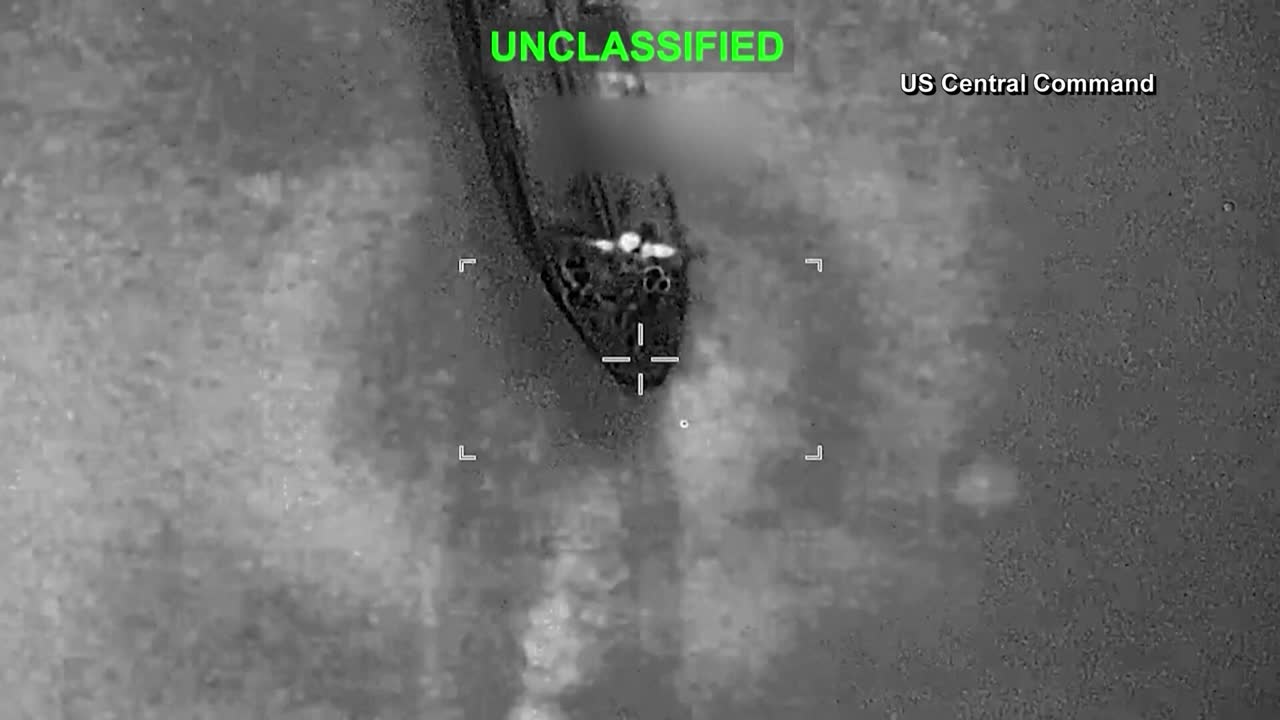
The U.S. Military's Central Command (CENTCOM) reported hitting approximately 90 targets in Iran, including missile launchers, a runway, surveillance infrastructure, communication systems, air defence sites, drone storage facilities, and mine-layer capabilities. These strikes were described as efforts to degrade Iran's ability to threaten freedom of navigation
in the Strait of Hormuz.
Iranian officials reported that U.S. Strikes have killed more than 35 people and injured more than 300 others. Specific casualties included nine military members killed on Wednesday, three people in Khuzestan province, and a firefighter at an airport in Iranshahr. The U.S. Has also targeted five Iranian coastal posts and two bridges in eastern provinces leading to Mashhad, which Iran identifies as key infrastructure for trade with China.
In Bushehr province, Ehsan Jahanian, the deputy governor, stated that strikes hit a military base in Choghadak, a fishing pier, and the perimeter of Iran’s only civilian nuclear power plant. The UN’s nuclear watchdog has previously stated that attacks in this area could pose a very real danger to nuclear safety
.
Iran responded with missile and drone attacks targeting U.S. Allies. Bahrain's Foreign Ministry described the drone attacks as a flagrant threat
to security. In Kuwait, the army reported intercepting two ballistic missiles with no casualties or damage. An unnamed U.S. Official told Reuters that there were no reported U.S. Casualties or damage to American infrastructure during the first attack.
The Strait of Hormuz Dispute
A primary catalyst for the strikes is the security of the Strait of Hormuz, a chokepoint for about 20% of global oil and gas supplies. The U.S. Launched strikes on military infrastructure near the strait after an Iranian attack on the Kiku, a Panama-flagged tanker carrying crude oil for Qatar's state-run energy company.
The two nations remain deadlocked over the administration of the waterway:
- Iran: Foreign Minister Abbas Araqchi stated that responsibility for maritime traffic lies solely with Tehran. Iran seeks to charge fees for ships using a northern route under its control.
- United States: Washington maintains the strait is an international waterway and is promoting a southern lane along the coast of Oman to avoid Iranian tolls.
The MoU called for the reopening of the strait to commercial shipping for 60 days, but Iran has continued to restrict traffic, contributing to price increases for fertilizer, oil, and other goods.
Political Fallout and Regional Context
The military exchanges coincided with the burial of former supreme leader Ali Khamenei in Mashhad on Friday. Khamenei was killed in February during U.S. And Israeli airstrikes. His successor, Mojtaba Khamenei, was not present at the ceremony; he was wounded in the same strikes that killed his father and communicates only via written statements.
President Trump warned on social media that the Islamic Republic of Iran will no longer exist
if the U.S. Is forced to militarily complete the job
it started. Conversely, Iran's military warned that American bases in the region will experience hell in the coming days
, and a spokesperson warned of targets hitting regional infrastructure if the U.S. Strikes Iranian power facilities and bridges.
Further instability persists in Lebanon. While Israel and Hezbollah have agreed to U.S.-brokered ceasefires, Israel has refused to withdraw from seized Lebanese territory, and Hezbollah refuses to disarm. Israel's defence minister, Israel Katz, stated his country is prepared to resume its campaign against Iran with even greater force
.
Despite the violence, a U.S. Official told Reuters that technical talks continue. Negotiations toward a final deal were intended to begin following the conclusion of Khamenei’s seven-day funeral period on Thursday.
How significant is this development?
Participate in our community survey on the trajectory and real-world impact of this news.