US and Iran exchange strikes over Strait of Hormuz as Kuwait is hit
Military conflict intensifies in West Asia as the US and Iran trade strikes, leading to critical infrastructure damage in Kuwait and soaring global oil prices.
- Headline Dispatch: US and Iran exchange strikes over Strait of Hormuz as Kuwait is hit
- Core Takeaway: Military conflict intensifies in West Asia as the US and Iran trade strikes, leading to critical infrastructure damage in Kuwait and soaring global oil prices.
- Source Synthesis: Continuous live monitoring aggregated across major news wires and independent bureaus.
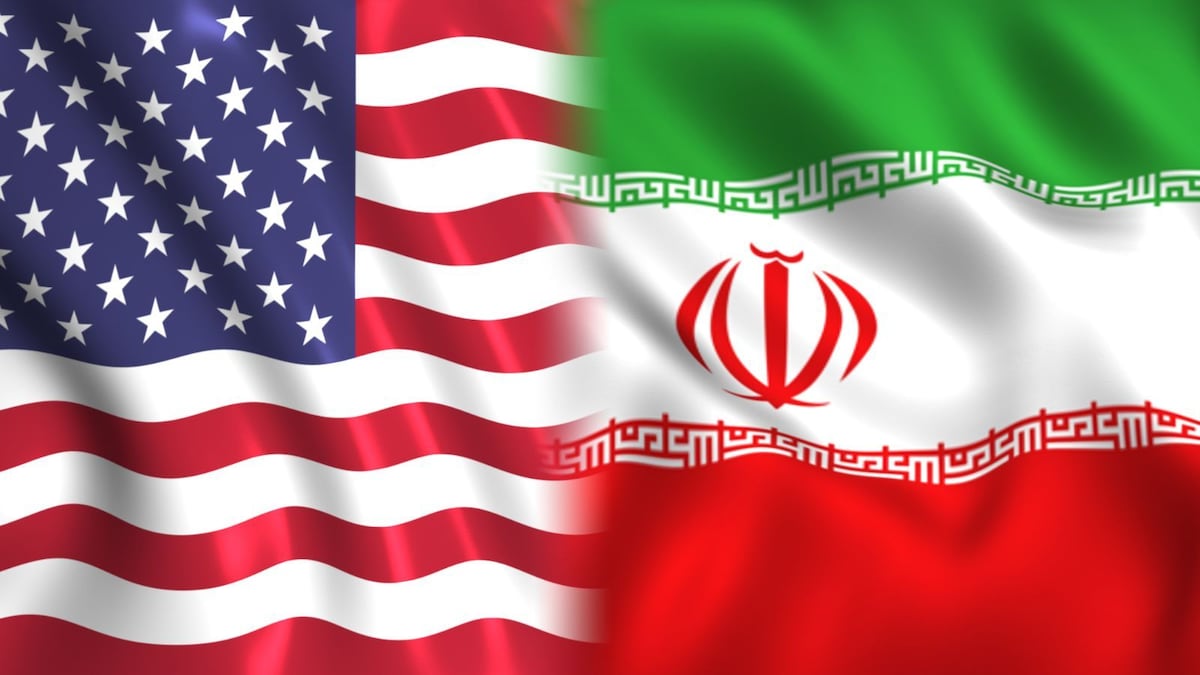
US and Iran exchange strikes over Strait of Hormuz as Kuwait is hit
The United States and Iran exchanged strikes targeting military and infrastructure sites on Saturday, July 18, 2026, as a conflict over control of the Strait of Hormuz intensifies. The escalation follows the collapse of an interim ceasefire and an agreement known as the "Islamabad MoU," which had established a 60-day window for technical-level negotiations to restore peace in West Asia.
US Central Command (CENTCOM) announced the completion of its seventh consecutive night of strikes, which concluded at 9:30 pm ET on July 17. US forces utilized fighter aircraft, warships, and aerial drones to target maritime capabilities, underground weapons storage, military logistics infrastructure, and surveillance sites. The US military is also enforcing a naval blockade against Iranian ports, with more than 50,000 American service members currently deployed across the Middle East.
Impact on Kuwait and Regional Neighbors
Kuwait suffered significant infrastructure damage on Saturday after Iranian strikes hit an oil facility and a water desalination plant. The Kuwait Petroleum Corporation reported that repeated attacks on a key oil sector facility left several people injured and caused significant material damage. Kuwaiti authorities noted that a second electricity and water distillation plant was targeted, leading to the deactivation of several power generation units. Approximately 90% of Kuwait’s drinking water is sourced from desalination.
The attacks in Kuwait forced the temporary closure of the country's airspace and disrupted flight operations. A spokesman for Kuwait’s defense ministry further stated that Iranian drone attacks on army camps and facilities injured an unspecified number of personnel. Kuwait’s army reported that explosions heard within the country were the result of air defense systems intercepting hostile targets.
Other regional nations reported Iranian aggression on Saturday:
- Bahrain: The army stated air defenses intercepted and destroyed a wave of "treacherous Iranian aerial assaults."
- Jordan: The military reported shooting down 10 Iranian missiles, with no casualties or damage reported.
- Iraq: Authorities in Irbil reported shooting down attack drones.
Iran’s army claimed its strikes targeted US military facilities in Jordan, including fuel tanks at Al-Azraq Air Base, and Kuwaiti sites linked to the Ali Al-Salem Air Base and Al-Adiri camp.
Casualties and Strategic Targets
The human cost of the conflict is rising. Iran’s Health Ministry stated that US attacks since July 6 have killed at least 50 people and wounded more than 500. Separately, Iranian authorities reported at least 46 deaths and more than 400 wounded in recent strikes, including eight people killed during a bridge attack on Friday.
The US has also suffered casualties. Officials acknowledged 13 additional service members — 10 Army soldiers and three Navy sailors — were injured since Monday. Since the war began on February 28, 14 US service members have been killed and 427 wounded.
US strategic strikes have focused on degrading Iran's ability to move goods and monitor the strait. Attacks hit highway and railway bridges in Hormozgan province, specifically in the city of Bandar Khamir, appearing to aim to cut off the main port of Bandar Abbas from the central region and Tehran. Additionally, the US collapsed a tower at the Chabahar port on the Gulf of Oman. While Iran claimed the tower was for commercial traffic, CENTCOM stated it was part of a Revolutionary Guard maritime surveillance network used to target commercial vessels.
Economic and Political Instability
Control over the Strait of Hormuz, which previously carried a fifth of the world’s crude oil, has become the focal point of the war. Iran effectively closed the strait to shipping traffic upon the war's commencement. This has caused oil prices to soar, reaching above $86 a barrel on Friday. According to MarineTraffic.com, crossings through the strait fell to a three-week low of eight vessels on Thursday.
Within Iran, the conflict has fueled political volatility. Hardline factions have accused civilian leadership of orchestrating a soft coup
by agreeing to the US-brokered ceasefire. During the funeral of Supreme Leader Ali Khamenei, President Masoud Pezeshkian and Foreign Minister Abbas Araghchi were met with chants calling them compromisers
, and Araghchi was reportedly pelted with rocks. Meanwhile, Supreme Leader Mojtaba Khamenei has remained out of public view.
International reactions have varied. Germany and France urged Iran to return to negotiations and reopen the strait. Pakistan, acting as a guarantor of the Islamabad MoU, has shifted its petroleum pricing to a daily revision schedule to manage the volatility of global oil prices.
The US Department of State and the US Embassy in Beirut have issued warnings for American citizens to reconsider travel across the Middle East and avoid Lebanon, Gaza, and northern Israel due to the risk of unexpected escalation.
How significant is this development?
Participate in our community survey on the trajectory and real-world impact of this news.