US Strikes Iran to Punish It for Attack That Killed 2 Troops
Following a lethal attack on Al-Azraq Air Base, the US has targeted Iranian military infrastructure and reinstated a naval blockade of Iranian ports. The conflict has expanded across the region as diplomatic efforts fail and global oil prices rise.
- Headline Dispatch: US Strikes Iran to Punish It for Attack That Killed 2 Troops
- Core Takeaway: Following a lethal attack on Al-Azraq Air Base, the US has targeted Iranian military infrastructure and reinstated a naval blockade of Iranian ports. The conflict has expanded across the region as diplomatic efforts fail and global oil prices rise.
- Source Synthesis: Continuous live monitoring aggregated across major news wires and independent bureaus.
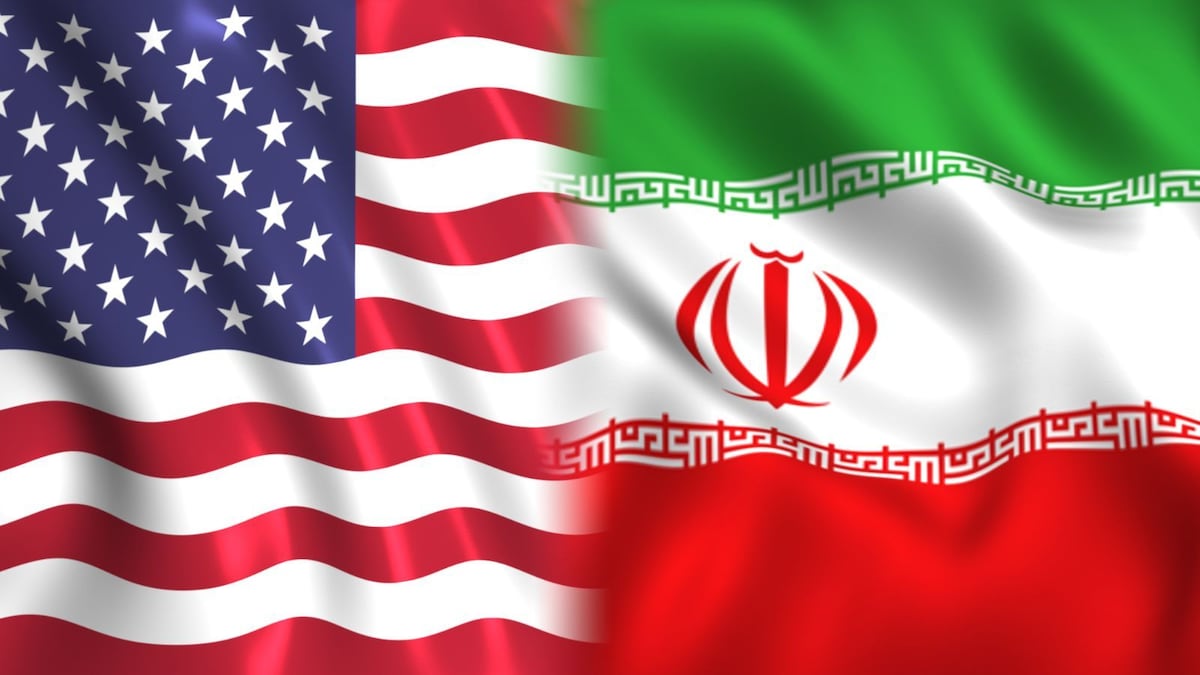
The United States military concluded a seven-night campaign of airstrikes against Iranian assets on July 17, 2026, marking a significant escalation in a conflict that began on February 28. The latest American offensive, directed by President Donald Trump, sought to degrade Iranian military capabilities and respond to a lethal strike in Jordan. On July 17, Iranian missile and drone attacks targeted the Al-Azraq Air Base, resulting in the deaths of two American service members and leaving one additional soldier missing. Four other troops were wounded in the same incident.
According to U.S. Central Command (CENTCOM), the American response focused on Iranian Revolutionary Guard Corps (IRGC) infrastructure, including maritime facilities, coastal surveillance sites, air defense systems, and underground weapons storage. These strikes were intended to ensure the security of the Strait of Hormuz, a critical maritime chokepoint through which approximately one-fifth of the world’s crude oil passes. The U.S. Military has reinstated a naval blockade of Iranian ports as part of its strategy to enforce pressure on Tehran.
The conflict has expanded across the Middle East, with Iranian state media claiming that the Islamic Republic has initiated "Operation Lightning" and "Operation Nasr 2." These retaliatory measures have involved missile and drone strikes against U.S. Military facilities and infrastructure in several nations, including Kuwait, Bahrain, Qatar, and Iraq. In Kuwait, the Kuwait Petroleum Corporation reported damage to an oil facility and a desalination plant, leading to the temporary suspension of airport operations and flight rescheduling. Iraqi authorities in Irbil confirmed that air defense systems were engaged to intercept incoming drones.
The collapse of a 14-point memorandum of understanding (MoU), signed last month to restore peace, has left the region without a clear path toward de-escalation. Iran’s Foreign Ministry spokesperson Esmail Baghaei stated that Tehran no longer considers itself bound by the agreement, citing alleged violations by Washington. Similarly, Iran’s Supreme Leader Mojtaba Khamenei characterized President Trump’s commitment to the document as “worthless.” Conversely, the White House has maintained that communications remain ongoing, with Press Secretary Karoline Leavitt suggesting that Tehran continues to express interest in diplomatic discussions despite the current hostilities.
The human and economic toll of the conflict has grown increasingly severe. Iran’s Health Ministry has reported that at least 50 people have been killed and hundreds wounded since July 6. Beyond the immediate combat zones, the disruption of global trade and the closure of the Strait of Hormuz have pushed oil prices above 86 USD per barrel. UNICEF has warned that the economic fallout is exacerbating food insecurity, particularly in Africa and Asia, where millions of children are at risk of falling into poverty due to rising fuel and food costs.
As of July 19, 2026, the U.S. Department of State has issued broad travel advisories, urging American citizens to reconsider travel throughout the Middle East due to the volatile security environment. In Lebanon, the U.S. Embassy has specifically cautioned against all travel to the country. With more than 50,000 U.S. Troops remaining deployed across the region, both sides have signaled a continued state of readiness for further confrontation.
How significant is this development?
Participate in our community survey on the trajectory and real-world impact of this news.