US military launches new airstrikes to 'punish' Iran for deaths of US troops
US military launches new airstrikes to 'punish' Iran for deaths of US troops
- Headline Dispatch: US military launches new airstrikes to 'punish' Iran for deaths of US troops
- Core Takeaway: US military launches new airstrikes to 'punish' Iran for deaths of US troops
- Source Synthesis: Continuous live monitoring aggregated across major news wires and independent bureaus.
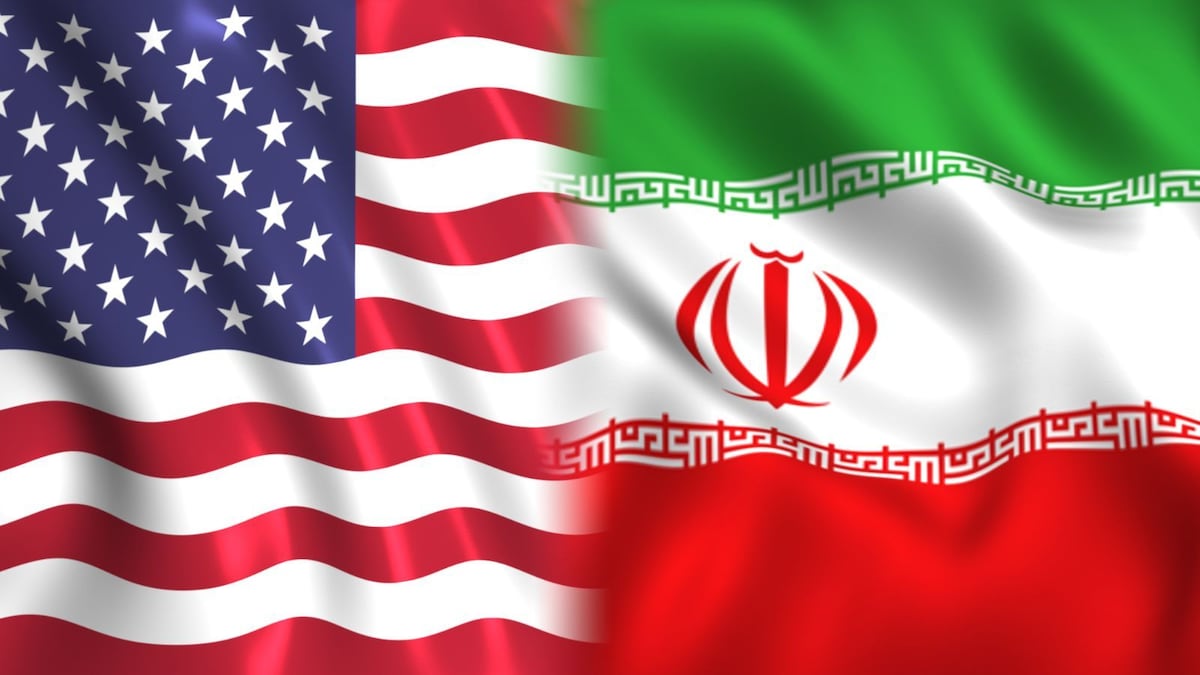
US military launches new airstrikes to 'punish' Iran for deaths of US troops
The United States military conducted a series of airstrikes against Iran on Saturday, July 18, 2026, in an effort to swiftly punish
the Islamic Revolutionary Guard Corps. The retaliatory action follows a Friday drone and missile attack on a base in Jordan that killed two American service members and left a third missing in action, with four others requiring hospitalization.
US Central Command (CENTCOM) stated that the operations, which concluded at 9:30 pm ET on July 17, represented the seventh consecutive night of strikes. The military used warships, aerial drones, fighter aircraft and other assets to target maritime capabilities, underground weapons storage, military logistics infrastructure and surveillance sites.
President Donald Trump described the deaths of the service members as a shame
in a conversation with the New York Post. He argued that the mission remains critical because the adversary does not want to see Iran have a nuclear weapon. US Defence Secretary Pete Hegseth wrote on X that the sacrifice of the troops only stiffens our resolve
.
Escalation in the Strait of Hormuz
The conflict is increasingly focused on the Strait of Hormuz, a waterway that previously carried roughly 20% of global oil supplies. Iran effectively closed the strait to shipping traffic after the war began on February 28, following strikes by the US and Israel that killed the late Supreme Leader Ayatollah Ali Khamenei.
Recent US strikes targeted infrastructure in Iran's southern Hormozgan province. Iranian state media reported that the Bonji desalination plant was destroyed, while another plant on Qeshm Island was damaged. US strikes also hit two tunnels and a bridge, disrupting a main highway toward the port city of Bandar Abbas.
The US has also reimposed a naval blockade on Iranian ports to stop crude oil shipments. The military reported that it has disabled one ship and redirected five others since the blockade returned. The volatility has pushed oil prices above USD 86 a barrel as shipping transits hit a three-week low.
Regional Fallout and Casualties
The violence has expanded beyond the US and Iran, impacting several Gulf allies. In Kuwait, Iranian strikes hit an oil facility and a water desalination plant, the latter of which was the second such attack in two days. Kuwait Petroleum Corporation reported significant material damage and injuries to several people. The Kuwait Fire Force noted that firefighters and a worker were injured while battling blazes sparked by the strikes. Kuwait briefly closed its airspace, forcing Kuwait Airways to reschedule flights.
Iran's military claimed it struck US targets including the Ali Al-Salem Air Base and Al-Adiri camp in Kuwait, as well as fuel tanks at Jordan's Al-Azraq Air Base. Iranian state TV alleged the destruction of three aircraft and two US fighter aircraft at the Jordan base. In Bahrain, air sirens sounded multiple times as the army reported intercepting treacherous Iranian aerial assaults
.
Jordan's state-run Petra news agency confirmed its air defenses downed 10 Iranian missiles. In Iraq, a drone struck a base of the Kurdistan Freedom Party near Irbil, wounding eight members. Residents of Irbil also reported explosions from air defenses.
Casualty reports differ by source. Iran's Health Ministry stated that US attacks since July 6 have killed at least 50 people and wounded more than 500, including eight killed by a bridge strike on Friday. Since the start of the war, 16 US service members have been killed and over 430 wounded. Previous US fatalities include six soldiers killed in a Kuwait command center drone strike and six who died when a refueling aircraft crashed in Iraq.
Collapse of Diplomacy
The escalation follows the collapse of an interim ceasefire and a Memorandum of Understanding (MoU) signed last month, which had established a 60-day window for technical-level talks. Pakistan served as a guarantor for the agreement.
Iran's Deputy Foreign Minister Kazem Gharibabadi told state TV that Tehran has suspended its commitments under the MoU, claiming the US violated the deal. Supreme Leader Mojtaba Khamenei, who has remained out of public view since the war began, issued a statement calling President Trump's signature utterly worthless and devoid of credibility
and warned of unforgettable lessons
from Iran and the Axis of Resistance
.
Internally, Iranian hardline factions have accused civilian leaders, including President Masoud Pezeshkian and Foreign Minister Abbas Araghchi, of orchestrating a soft coup
by agreeing to the US-brokered ceasefire. Araghchi was reportedly pelted with rocks by protesters during the funeral of Ayatollah Ali Khamenei.
In response to the instability, Pakistan announced it will now revise petroleum prices daily to manage global oil fluctuations. The US Department of State issued a global travel alert, with embassies in Beirut and Jerusalem urging citizens to reconsider travel across the Middle East and avoid Gaza and northern Israel.
Jasem Mohamed al-Budaiwi, secretary-general of the Gulf Cooperation Council, has accused Iran of committing war crimes by targeting civilian facilities and infrastructure.
How significant is this development?
Participate in our community survey on the trajectory and real-world impact of this news.