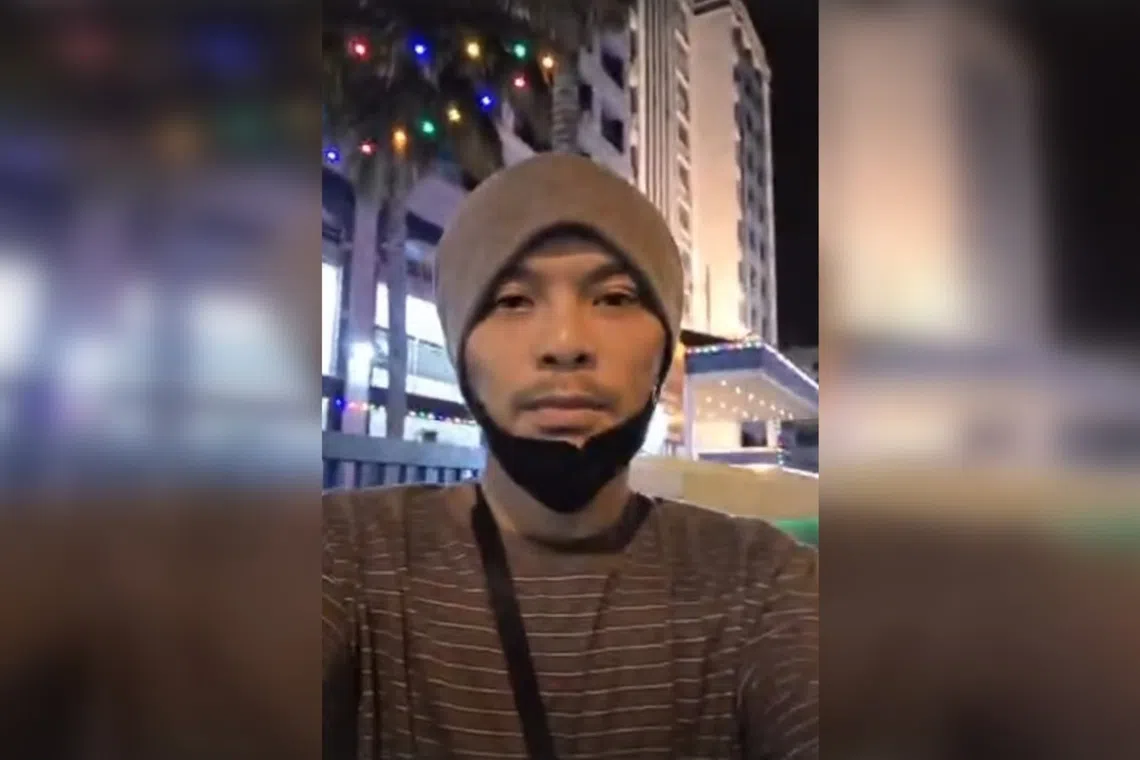
Malaysian rapper and filmmaker Namewee, whose real name is Wee Meng Chee, has been formally detained by police in Kuala Lumpur as part of an ongoing murder investigation into the death of Taiwanese influencer Iris Hsieh Yu-hsin. The 42-year-old artist, known for his provocative music and films, voluntarily reported to the Dang Wangi police station early on November 5, 2025, after being summoned for questioning. Police have since confirmed that Namewee is being remanded for six days as authorities gather evidence in the case, which was reclassified from sudden death to murder on November 4.
According to Dang Wangi police chief Assistant Commissioner Sazalee Adam, Namewee’s remand order was granted by a senior assistant registrar, and he is expected to remain in custody until November 10. Namewee addressed the public in a statement posted on Instagram, pledging full cooperation with the investigation. “I will fully assist the police in their investigations, and be accountable to the public and the family of the deceased,” he wrote in Chinese. “I will not run. When I was wanted seven times in the past, I turned up on my own each time, never running away.”
Background and Industry Impact
Hsieh, a 31-year-old influencer and former nurse from Taichung, Taiwan, arrived in Kuala Lumpur on October 20 to collaborate with Namewee on a video project. She was found unresponsive in a hotel bathtub on October 22, with Namewee reportedly the last person seen with her. Police discovered nine blue pills suspected to be ecstasy in the room, and Namewee tested positive for amphetamine, methamphetamine, ketamine, and THC. He was briefly arrested for drug possession and use, pleaded not guilty, and was released on bail.
Namewee’s career has been marked by controversy, including previous arrests for music videos and songs that touched on sensitive topics such as racial tensions and religious issues in Malaysia. In 2016, he was detained in Penang for four days over accusations of shooting a music video that insulted religion. His 2007 rendition of Malaysia’s national anthem, Negaraku, led to questioning under the Sedition Act. More recently, his viral song “Fragile,” which critiqued China’s online “Little Pink” army, resulted in a ban from Chinese social media platform Weibo.
Cultural and Media Relevance
The case has drawn significant attention in both Malaysia and Taiwan, highlighting the intersection of celebrity culture, digital media, and legal scrutiny. Namewee’s collaborations with international influencers and his presence on global platforms have made him a notable figure in the Asian entertainment industry. His detention underscores the increasing scrutiny faced by public figures in the digital age, where actions and associations can quickly become subjects of public and legal interest.
According to Variety, the entertainment industry is closely watching the developments, as high-profile cases involving celebrities often influence public perception and media coverage. The reclassification of Hsieh’s death as murder has intensified the investigation, with authorities seeking to clarify the circumstances surrounding her passing and Namewee’s involvement.
As the investigation continues, the entertainment community awaits further updates. Namewee’s lawyer has confirmed that he is safe and cooperating with authorities. The case serves as a reminder of the complexities and challenges faced by artists operating in the global digital landscape, where creative expression and legal accountability often intersect.
For more on the latest in entertainment and celebrity news, read more on Globally Pulse Entertainment.
