
Vusi Nova Staged Funeral Prank Sparks Debate and Raises Questions About Death and Performance
South African musician Vusi Nova ignited a firestorm of reactions after posting a video appearing to depict his own funeral on April 1st, a stunt that quickly went viral. The post, intended as an April Fool’s Day prank, featured a black casket adorned with flowers and a banner bearing his image, leading many fans to express shock and concern before realizing its performative nature. The incident has sparked conversations surrounding the boundaries of humor, the cultural significance of funerals, and the increasing trend of artists using provocative imagery for engagement.
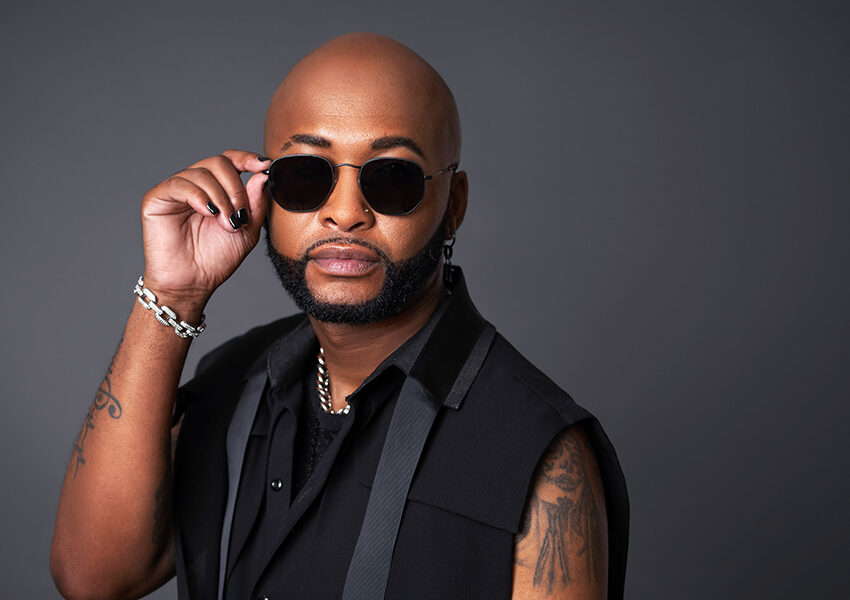
The prank, while intended to be lighthearted, proved divisive. Some followers praised Nova for the boldness of the concept, interpreting it as a commentary on the fear of death, with one fan commenting on the post that “being able to conduct your own funeral whilst alive is top tier.” This perspective frames the stunt as a potentially cathartic exercise, allowing for reflection on mortality. However, others felt the prank was in poor taste, with some expressing genuine distress and anxiety. One user wrote, “my heart almost dropped,” highlighting the emotional impact of the post. The incident demonstrates the challenge of navigating performative acts in the digital age, where the line between reality and spectacle can become blurred.
This isn’t the first time a public figure has faced scrutiny for staging their own death or a similar hoax. The practice taps into a long history of theatricality and spectacle, though the immediacy of social media amplifies both the impact and the backlash. The swiftness with which the news spread underscores the power of online platforms to shape public perception and generate emotional responses. The incident also draws parallels to broader cultural trends exploring mortality in art and media. For example, artists like Marina Abramović have explored themes of death and ephemerality in their performance art, though typically with a more explicitly conceptual framework.
The reaction to Nova’s prank also comes amidst a period of heightened sensitivity surrounding celebrity deaths and online misinformation. Just weeks prior, fellow South African musician Musa Khawula was the subject of a death hoax, which he quickly debunked, laughing off the rumors as “nonsense.” Briefly.co.za reported on Khawula’s response, highlighting a recurring pattern of false death reports targeting public figures. This recent wave of hoaxes underscores the need for media literacy and critical thinking in the digital age.
Nova’s use of a staged funeral also echoes themes explored in his recent reality television show, “Vusi Nova: Unprovoked,” which premiered on SABC 1 in 2024. According to Briefly.co.za, the show’s debut episode featured a funeral for his dog, already signaling a willingness to explore grief and loss in a public forum. The reality show format allows Nova to present a curated version of his life, blurring the lines between personal experience and performance. This raises questions about authenticity and the potential for manipulation of emotion in reality television.
In 2023, Nova experienced personal loss with the death of singer Zahara, for whom he delivered a moving eulogy. Briefly.co.za reported that Nova pledged to support Zahara’s family, demonstrating a genuine emotional connection to the late artist. This context adds another layer of complexity to the funeral prank, as it highlights Nova’s prior experience with grief and mourning. The juxtaposition of genuine sorrow and deliberately staged spectacle raises questions about the commodification of emotion in the entertainment industry and the pressures faced by public figures to maintain engagement.
The incident with Vusi Nova’s staged funeral is a reminder of the evolving relationship between artists, audiences, and the digital landscape. It highlights the potential for both connection and misinterpretation when artists employ provocative tactics to capture attention. As social media continues to dominate the entertainment industry, we can expect to see more boundary-pushing stunts, and a continued need to critically examine the motivations and impact of these performances. Read more on Globally Pulse Entertainment for more coverage on celebrity culture and digital trends.
