Lede
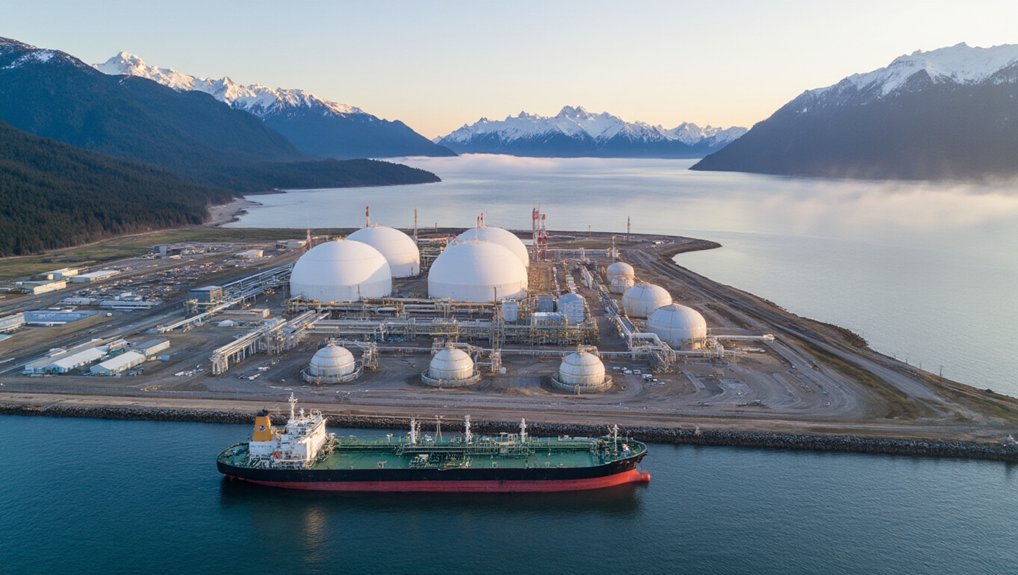
Canada and Germany have finalized a landmark deal to export up to 1 million metric tons of liquefied natural gas (LNG) annually from a $10-billion facility on British Columbia’s Pacific Coast, marking a major step toward unlocking Canada’s first major LNG export terminal outside the U.S. The agreement, announced Tuesday by an official familiar with the matter, secures a critical buyer for the Ksi Lisims project—Germany’s SEFE group, a state-backed energy utility—and could clear the final hurdle before construction begins on the controversial Pearse Island terminal.
Europe’s Energy Crisis Drives Canada’s First Major LNG Export Deal
A $10 Billion Bet on Energy Independence
The Ksi Lisims project, a joint venture backed by Shell and TotalEnergies, has sat on the sidelines for years despite securing permits in 2022. What’s changed? A desperate Europe, still reeling from Russia’s 2022 gas cutoff and now facing fresh instability in the Middle East, is scrambling for alternatives. Germany’s SEFE—once Gazprom’s German subsidiary before its nationalization—now stands as the anchor buyer for up to 1.1 million US tons of LNG per year. For Canada, this deal is more than energy diplomacy: it’s a test of whether Ottawa can diversify its energy trade beyond the U.S., where 95% of its oil and gas exports currently flow.
The timing couldn’t be more fraught. With European factories shuttering due to soaring energy costs and inflation still near decade highs, the deal sends a clear signal: Canada is positioning itself as a reliable supplier in a market where trust is currency. But the road to construction remains strewn with hurdles. Ksi Lisims still awaits a final investment decision, and environmental groups have vowed to challenge the project’s carbon footprint—especially as global LNG demand faces growing scrutiny over methane leaks and climate commitments.
Germany’s State-Owned Utility Becomes Canada’s Geopolitical Partner
Why Germany? The Geopolitics of Gas
SEFE’s role isn’t just about energy—it’s about geopolitics. The utility was born from Gazprom’s German arm before Berlin seized control in 2022, a move that turned a Russian asset into a German liability. Now, it’s part of Europe’s broader strategy to break free from Moscow’s grip. The deal with Canada fits neatly into this playbook: secure LNG supplies while avoiding the political backlash of reviving Russian pipelines.
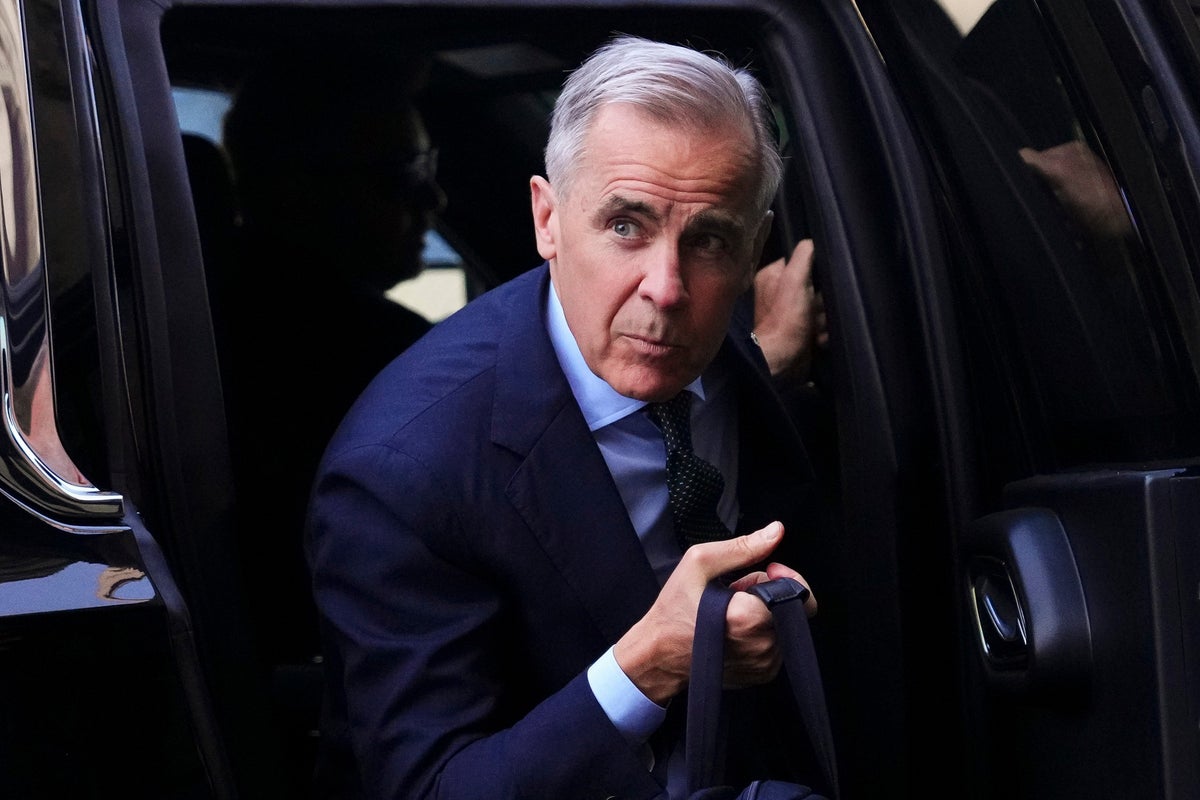
For Canada, the stakes are equally high. Prime Minister Mark Carney’s push to double non-U.S. trade in a decade hinges on projects like Ksi Lisims. But the project’s future depends on more than just German demand. British Columbia Premier David Eby has framed the deal as a "key step" toward construction, yet the consortium still needs to lock in financing and navigate Indigenous land claims—a process that could drag on for months.
Financial and Legal Obstacles Threaten Canada’s LNG Ambitions
- $10 billion CAD ($7.2 billion USD): The cost of building the Ksi Lisims terminal and liquefaction plant.
- 1 million metric tons (1.1 million US tons): Annual LNG export capacity to Germany.
- 2022: Year permits were secured—but construction hasn’t started.
Yet the financial risks are just as clear. LNG projects typically take 5–7 years to build, and with global LNG prices volatile, the consortium must balance short-term gains against long-term climate pressures. Analysts at RBC Capital Markets, cited in background reports, warn that Europe’s push for renewables could undermine demand for fossil fuels within a decade—raising questions about the project’s viability beyond 2035.
Indigenous Opposition and U.S. Trade Tensions Loom Over the Project’s Future
What Comes Next?
- Financing the Gap: Ksi Lisims has permits but no confirmed construction timeline. The German deal helps, but the consortium still needs to secure debt or equity from banks wary of fossil fuel exposure.
- Environmental Battles: Indigenous groups and climate activists have already challenged the project’s environmental assessment. A legal fight over methane emissions or Indigenous rights could delay—or kill—the project.
- U.S. Pushback: While Canada courts Europe, the U.S. remains its top energy customer. Any shift in trade could spark retaliation—or at least louder lobbying from American producers.
Canada’s LNG Expansion Tests Its Role as Both Energy Supplier and Climate Leader
The Bigger Picture: Canada’s Energy Gamble
This deal isn’t just about gas—it’s about Canada’s economic future. With oil prices fluctuating and global demand for fossil fuels under pressure, Ottawa is betting that LNG can bridge the gap between today’s energy needs and tomorrow’s climate goals. But the Ksi Lisims project forces a hard question: Can Canada be both an energy superpower and a climate leader?
For now, the answer lies in Germany’s willingness to buy—and the political will to build. With war in the Middle East disrupting oil flows and Europe still dependent on Russian energy infrastructure, the pressure is on. But as climate activists and Indigenous leaders prepare to fight back, the real test isn’t just securing buyers—it’s whether Canada can deliver without becoming the next flashpoint in the global energy war.
